Old Testament
Psalms 29:7
Read the Bible in clear, modern English—easy to understand, faithful to the meaning, and written for everyday readers.
The voice of the LORD divides the flames of fire.
Compare translations
The voice of the LORD divideth the flames of fire.
What Psalms 29:7 means
Plain-English insight for readers
In this verse, the 'voice of the LORD' symbolizes God's powerful and commanding presence. The imagery of dividing flames of fire suggests that God's voice has the authority to control and manipulate even the most intense and chaotic elements of nature. Fire often represents judgment, purification, or divine presence in the Bible. By stating that God's voice can divide flames, the psalmist emphasizes God's sovereignty and ability to bring order out of chaos. This verse encourages believers to recognize the power of God's word and how it can impact their lives. It serves as a reminder that God's communication is not just gentle whispers but can also be a force that shapes reality, instills fear, and brings clarity. The psalmist invites us to listen to God's voice, which can guide us through difficult times and help us navigate the challenges we face, just as it commands the elements of nature.
How to apply Psalms 29:7 to your life
In our daily lives, we can seek to listen for God's voice amidst the noise and chaos around us. By tuning into His guidance through prayer and scripture, we can find clarity and direction. Trusting in His power can help us face challenges with confidence, knowing He is in control.
Curated for this public verse page. Psalms Summary
Explore more of the Bible
Learn the Bible through its people and places
Get to know the people in Scripture through illustrated stories, and explore the places where they lived and traveled.

Illustrated scene from David's story: Samuel Anoints David (1 Samuel 16:1–13)
Meet the people of the Bible
Follow their lives in order, with illustrated scenes and Bible passages that tell their stories.
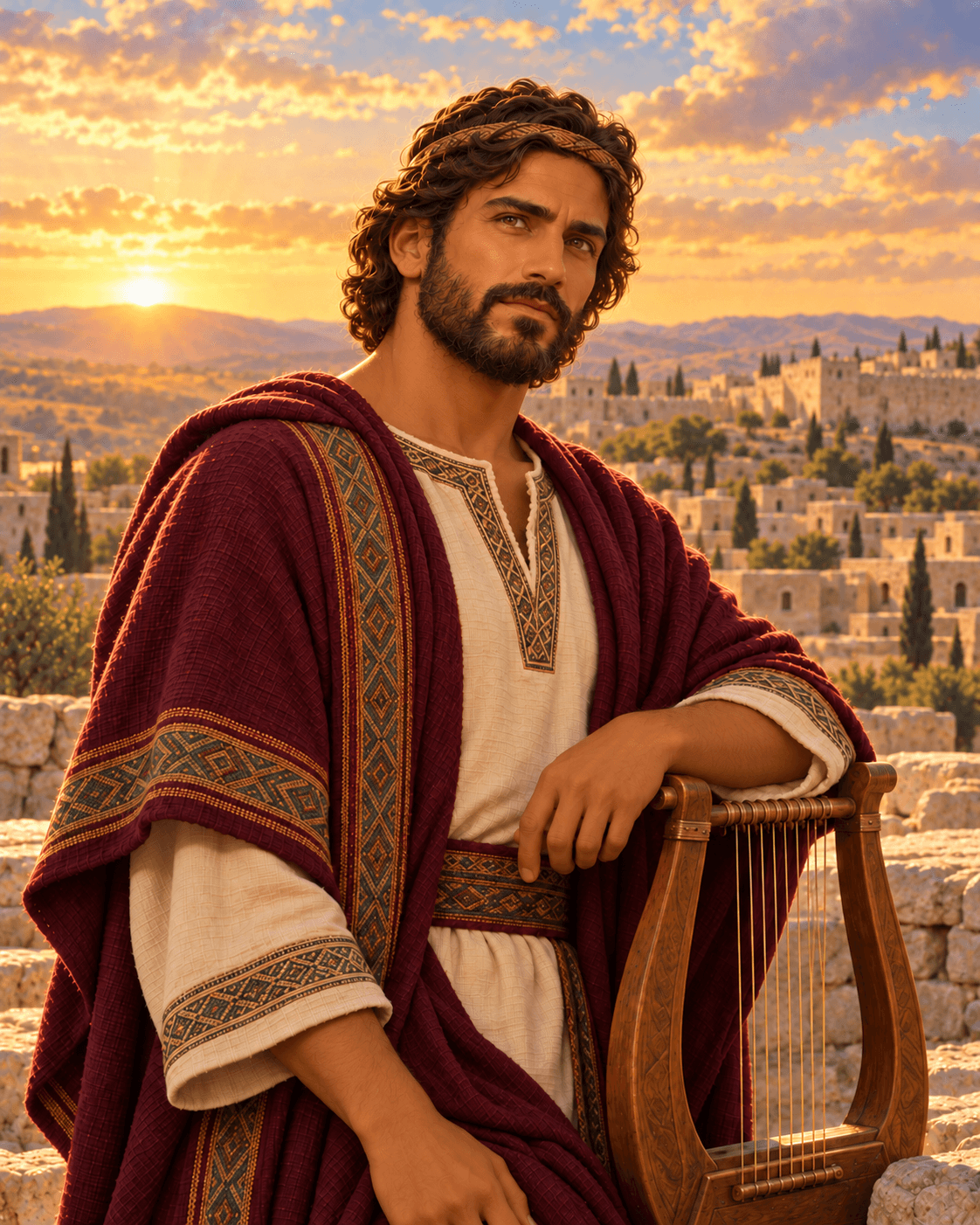 David
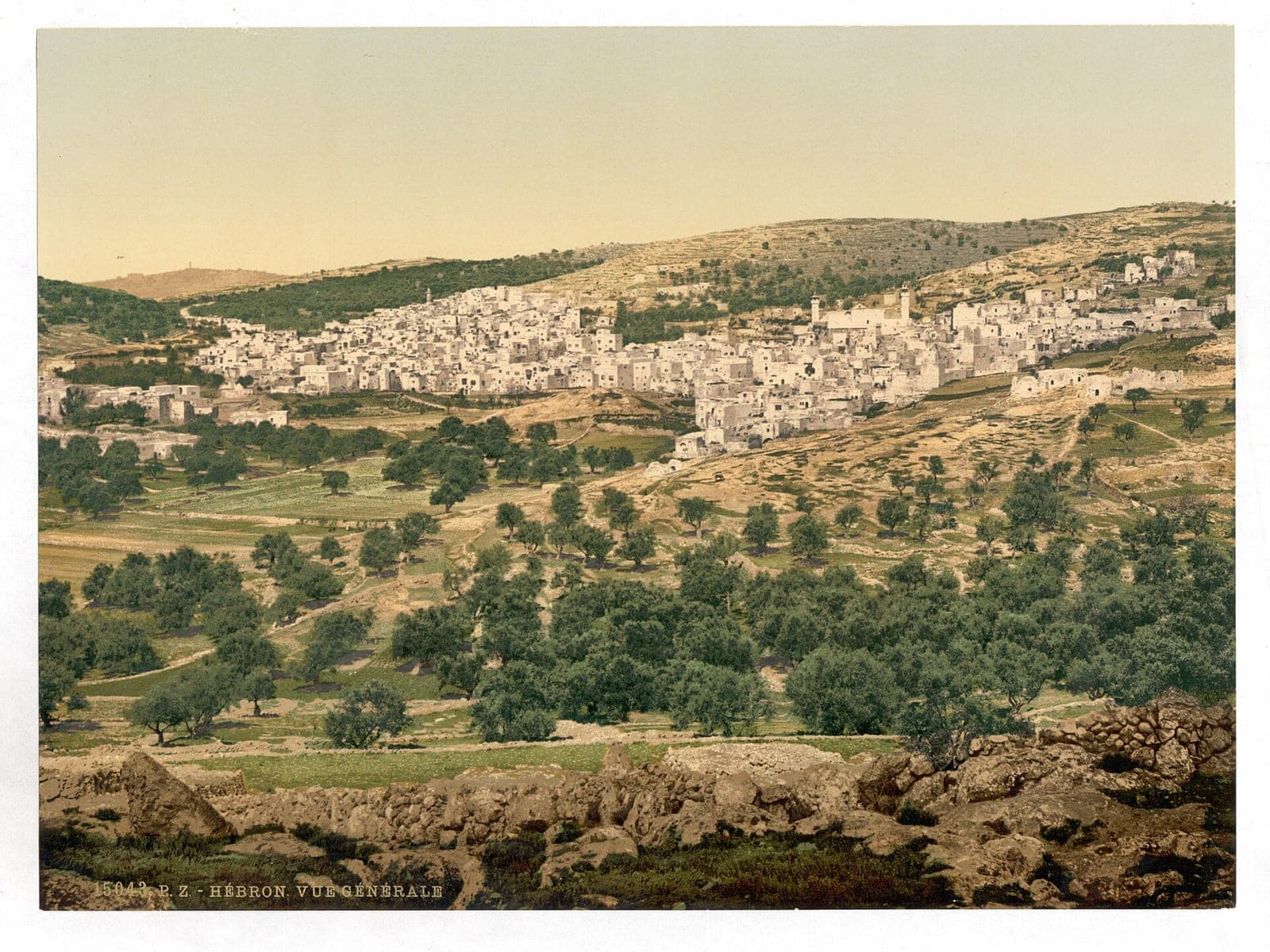
Photo: Photochrom print, Library of Congress Prints and Photographs Division (LCCN 2002724987). License: Public domain in the United States; Library of Congress states no known restrictions on publication. Source. Location: Hebron, West Bank; print preserved by the Library of Congress. Resized for the web.
Explore the places of the Bible
See where biblical events happened, why each place matters, and what archaeology helps us understand.
Hebron
Where Abraham lived and buried Sarah, and where David was first made king.
Get full access with one subscription
Explore the people and places of the Bible. Read summaries of every book, with images and clear explanations covering every chapter. Access all these features and our Bible study tools with one subscription.
See PlansAsk AI about Psalms 29:7
Ask a question about this verse and get a clear answer, with Bible references you can read for yourself.
Every Bible book, explained chapter by chapter
Explore summaries of every book of the Bible, with images and easy-to-understand explanations covering every chapter.
Keep studying Psalms 29:7
Related Bible verses
Key themes
Related topics
At a Glance — the Book of Psalms
- Author
- David, Asaph, the sons of Korah, Solomon, and others
- Written
- Around 1000-500 BC
- Genre
- Poetry and worship
- Original Audience
- Worshipers of Israel
Frequently Asked Questions
Quick, clear answers about this verse
What does Psalms 29:7 mean by 'the voice of the LORD'?
In Psalms 29:7, 'the voice of the LORD' refers to God's powerful and authoritative presence. It symbolizes His ability to command and control nature, illustrating that His words have the power to bring order and clarity even in chaotic situations. This verse emphasizes the significance of listening to God's voice as it can guide us and impact our lives profoundly.
How does the imagery of fire relate to God's voice in this verse?
The imagery of fire in Psalms 29:7 represents judgment, purification, and divine presence. By stating that God's voice divides the flames of fire, the psalmist highlights God's sovereignty over even the most intense and chaotic elements of nature. This suggests that God's voice can bring clarity and control, transforming chaos into order, much like how fire can be both destructive and purifying.
What practical steps can I take to hear God's voice in my life?
To hear God's voice, start by creating quiet moments for prayer and reflection. Engage with scripture regularly, as it is a primary way God communicates with us. Journaling your thoughts and prayers can also help you discern His guidance. Additionally, seek counsel from trusted spiritual leaders and remain open to the ways God may speak through circumstances and other people.
How can understanding God's sovereignty help me in tough times?
Recognizing God's sovereignty, as illustrated in Psalms 29:7, can provide comfort during difficult times. It reassures us that God is in control, even when life feels chaotic. Trusting in His power allows us to face challenges with confidence, knowing that He can bring order and clarity to our situations. This understanding encourages us to rely on His guidance and strength.
Daily Verse — straight to your inbox
A verse and a 2-sentence plain-English explanation, every morning. Free. Unsubscribe anytime.