Old Testament
Psalms 48:9
Read the Bible in clear, modern English—easy to understand, faithful to the meaning, and written for everyday readers.
We have thought on your lovingkindness, O God, in the midst of your temple.
Compare translations
We have thought of thy lovingkindness, O God, in the midst of thy temple.
What Psalms 48:9 means
Plain-English insight for readers
In this verse, the psalmist reflects on God's lovingkindness while in the temple, a place of worship and reverence. The term 'lovingkindness' refers to God's steadfast love and mercy, which are central to His character. By meditating on these qualities, the psalmist acknowledges the importance of remembering God's goodness and faithfulness, especially in sacred spaces. The temple symbolizes a connection to God, where believers can experience His presence and reflect on His attributes. This contemplation serves to strengthen faith and deepen the relationship with God, reminding worshippers of His unwavering support and love in their lives. The act of thinking about God's lovingkindness encourages a posture of gratitude and reverence, fostering a deeper understanding of His nature and the blessings He provides.
How to apply Psalms 48:9 to your life
In our daily lives, we can take moments to reflect on God's lovingkindness, especially during times of worship or prayer. This practice helps us cultivate gratitude and strengthens our faith, reminding us of God's constant support and love in our lives.
Curated for this public verse page. Psalms Summary
Explore more of the Bible
Learn the Bible through its people and places
Get to know the people in Scripture through illustrated stories, and explore the places where they lived and traveled.

Illustrated scene from Ruth's story: Three Widows (Ruth 1:1–5)
Meet the people of the Bible
Follow their lives in order, with illustrated scenes and Bible passages that tell their stories.
 Ruth
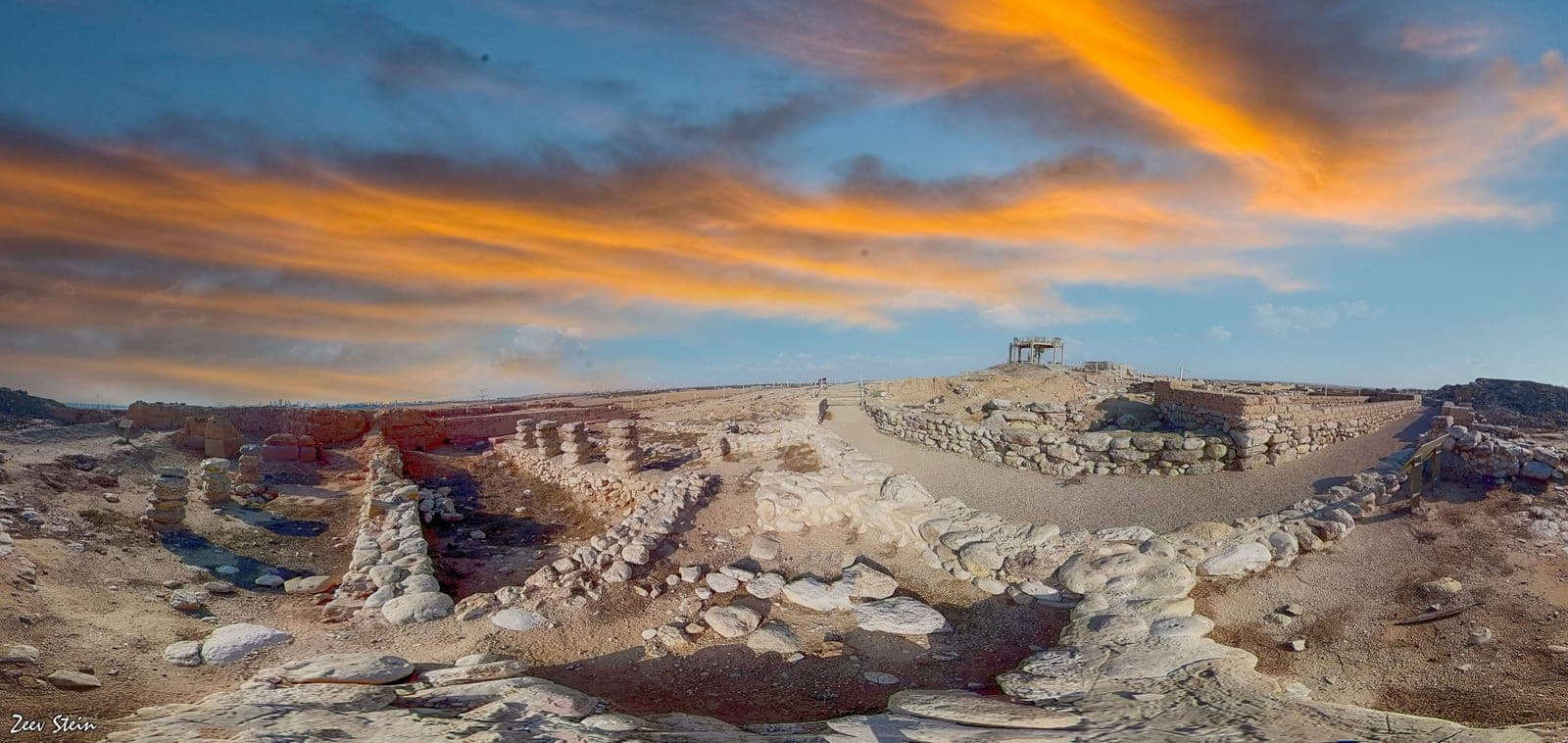
Photo: Zeev Stein / PikiWiki Israel, via Wikimedia Commons. License: CC BY 2.5. Source. Location: Tel Beer Sheva National Park, Israel. Resized for the web.
Explore the places of the Bible
See where biblical events happened, why each place matters, and what archaeology helps us understand.
Beersheba
Where Abraham and Isaac dug wells and worshiped the LORD, at the southern edge of the land.
Get full access with one subscription
Explore the people and places of the Bible. Read summaries of every book, with images and clear explanations covering every chapter. Access all these features and our Bible study tools with one subscription.
See PlansAsk AI about Psalms 48:9
Ask a question about this verse and get a clear answer, with Bible references you can read for yourself.
Every Bible book, explained chapter by chapter
Explore summaries of every book of the Bible, with images and easy-to-understand explanations covering every chapter.
Keep studying Psalms 48:9
Related Bible verses
Key themes
Related topics
At a Glance — the Book of Psalms
- Author
- David, Asaph, the sons of Korah, Solomon, and others
- Written
- Around 1000-500 BC
- Genre
- Poetry and worship
- Original Audience
- Worshipers of Israel
Frequently Asked Questions
Quick, clear answers about this verse
What does Psalms 48:9 mean?
Psalms 48:9 expresses the psalmist's reflection on God's lovingkindness while in the temple, highlighting the importance of remembering God's steadfast love and mercy in a sacred space.
What is the meaning of lovingkindness in Psalms 48:9?
In Psalms 48:9, 'lovingkindness' refers to God's unwavering love and mercy, emphasizing His faithful character and the importance of acknowledging these qualities during worship.
How can I apply Psalms 48:9 in my life?
You can apply Psalms 48:9 by taking time to reflect on God's lovingkindness during your worship or prayer, which helps cultivate gratitude and reinforces your faith.
Why is the temple significant in Psalms 48:9?
The temple in Psalms 48:9 symbolizes a sacred space where believers can connect with God, meditate on His attributes, and experience His presence.
Daily Verse — straight to your inbox
A verse and a 2-sentence plain-English explanation, every morning. Free. Unsubscribe anytime.