Old Testament
Psalms 52:1
Read the Bible in clear, modern English—easy to understand, faithful to the meaning, and written for everyday readers.
Why do you boast in mischief, mighty man? The goodness of God endures continually.
Compare translations
Why boastest thou thyself in mischief, O mighty man? the goodness of God endureth continually.
What Psalms 52:1 means
Plain-English insight for readers
In this verse, the psalmist questions a powerful person who takes pride in their wicked actions. The term "mighty man" suggests someone who has strength or influence, yet instead of using that power for good, they boast about their misdeeds. The psalmist contrasts this behavior with the enduring goodness of God, which remains constant despite human wrongdoing. This highlights a key theme in the Psalms: the ultimate triumph of God's goodness over evil. The verse serves as a reminder that while some may find temporary success in their mischief, God's goodness is everlasting and will ultimately prevail. It encourages readers to reflect on their own actions and the true source of strength and pride, which should be in the goodness and faithfulness of God rather than in wrongdoing.
How to apply Psalms 52:1 to your life
This verse challenges us to examine our own lives and the motivations behind our actions. Instead of boasting about our achievements or engaging in harmful behavior, we should focus on embodying God's goodness. By doing so, we align ourselves with a higher purpose and contribute positively to the world around us.
Curated for this public verse page. Psalms Summary
Explore more of the Bible
Learn the Bible through its people and places
Get to know the people in Scripture through illustrated stories, and explore the places where they lived and traveled.

Illustrated scene from Esther's story: Esther Becomes Queen (Esther 2:1–18)
Meet the people of the Bible
Follow their lives in order, with illustrated scenes and Bible passages that tell their stories.
 Esther
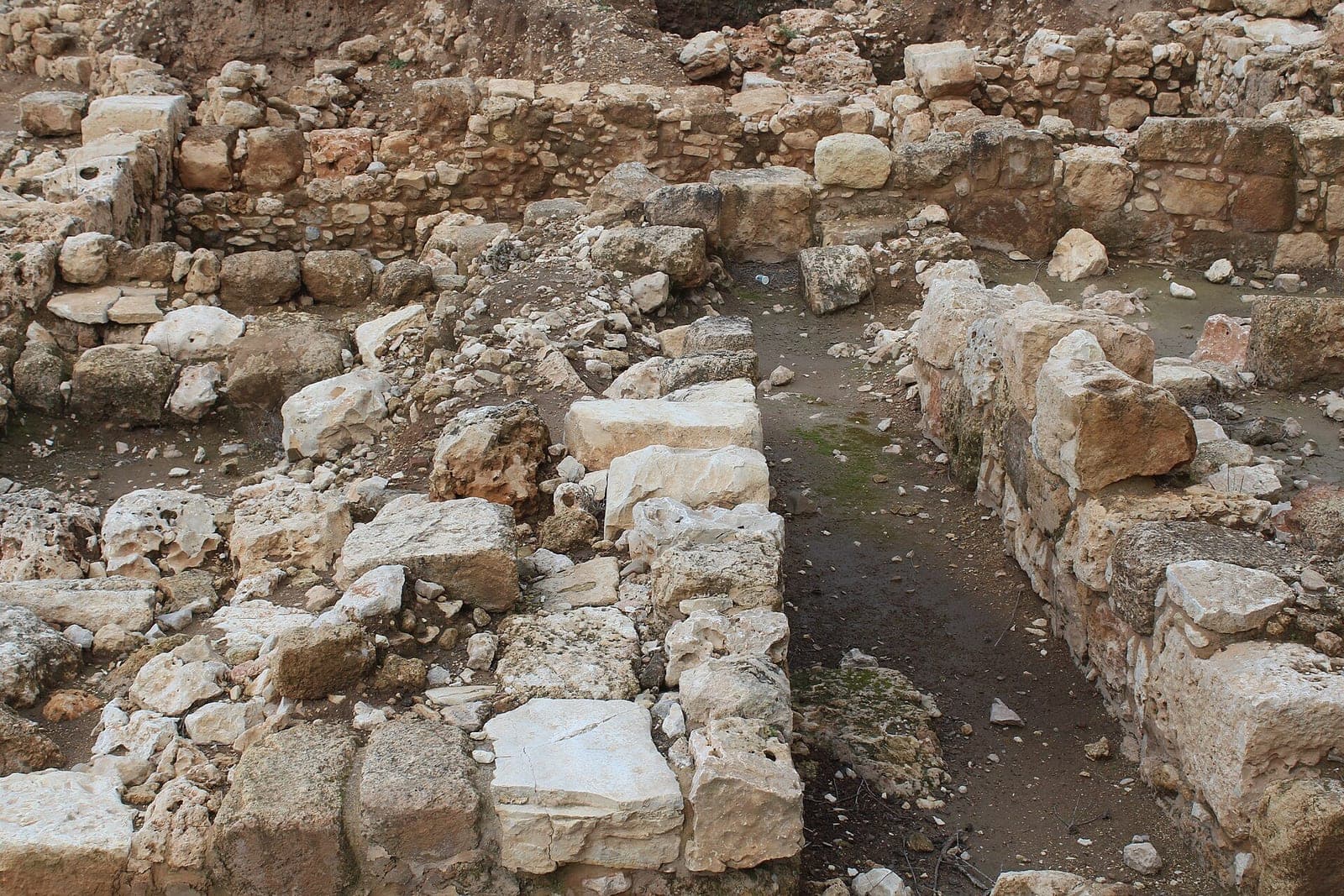
Photo: Deror Avi, via Wikimedia Commons. License: CC BY-SA 4.0. Source. Location: Tel Shiloh archaeological site, West Bank. Resized for the web.
Explore the places of the Bible
See where biblical events happened, why each place matters, and what archaeology helps us understand.
Shiloh
Where Israel set up the tabernacle, and where God called the boy Samuel.
Get full access with one subscription
Explore the people and places of the Bible. Read summaries of every book, with images and clear explanations covering every chapter. Access all these features and our Bible study tools with one subscription.
See PlansAsk AI about Psalms 52:1
Ask a question about this verse and get a clear answer, with Bible references you can read for yourself.
Every Bible book, explained chapter by chapter
Explore summaries of every book of the Bible, with images and easy-to-understand explanations covering every chapter.
Keep studying Psalms 52:1
Related Bible verses
Key themes
Related topics
At a Glance — the Book of Psalms
- Author
- David, Asaph, the sons of Korah, Solomon, and others
- Written
- Around 1000-500 BC
- Genre
- Poetry and worship
- Original Audience
- Worshipers of Israel
Frequently Asked Questions
Quick, clear answers about this verse
What does Psalms 52:1 mean?
Psalms 52:1 questions a powerful person who takes pride in their wicked actions, highlighting the contrast between their mischief and the everlasting goodness of God.
What is the meaning of 'mighty man' in Psalms 52:1?
The term 'mighty man' refers to someone with strength or influence, suggesting that even those with power can misuse it and boast about their wrongdoing.
How does Psalms 52:1 relate to pride?
Psalms 52:1 illustrates the danger of pride in wrongdoing, reminding us that true strength should come from embodying God's goodness rather than engaging in mischief.
What themes are present in Psalms 52:1?
Key themes in Psalms 52:1 include pride in wrongdoing, the enduring nature of God's goodness, the contrast between good and evil, and the folly of boasting about one's misdeeds.
Daily Verse — straight to your inbox
A verse and a 2-sentence plain-English explanation, every morning. Free. Unsubscribe anytime.