Old Testament
Psalms 63:1
Read the Bible in clear, modern English—easy to understand, faithful to the meaning, and written for everyday readers.
O God, you are my God; early will I seek you. My soul thirsts for you; my flesh longs for you in a dry and thirsty land where there is no water.
Compare translations
O God, thou art my God; early will I seek thee: my soul thirsteth for thee, my flesh longeth for thee in a dry and thirsty land, where no water is;
What Psalms 63:1 means
Plain-English insight for readers
In this verse, the psalmist expresses a deep longing for God, comparing his need for God to a thirst in a parched land. The phrase "early will I seek you" indicates a commitment to prioritize seeking God at the start of the day. This reflects a desire for a close relationship with God, recognizing that just as the body needs water to survive, the soul needs God for spiritual sustenance. The imagery of a dry and thirsty land emphasizes the desperation and urgency of this need. The psalmist acknowledges that without God, life feels barren and unfulfilling. This verse serves as a reminder of the importance of seeking God earnestly and consistently, especially in times of spiritual dryness or difficulty, highlighting the necessity of divine connection for true fulfillment.
How to apply Psalms 63:1 to your life
To apply this verse, set aside time each morning to seek God through prayer and scripture. Acknowledge your spiritual needs and express your desire for a deeper relationship with Him. Recognize that just as your body needs water, your soul needs God for true fulfillment.
Curated for this public verse page. Psalms Summary
Explore more of the Bible
Learn the Bible through its people and places
Get to know the people in Scripture through illustrated stories, and explore the places where they lived and traveled.

Illustrated scene from David's story: Samuel Anoints David (1 Samuel 16:1–13)
Meet the people of the Bible
Follow their lives in order, with illustrated scenes and Bible passages that tell their stories.
 David
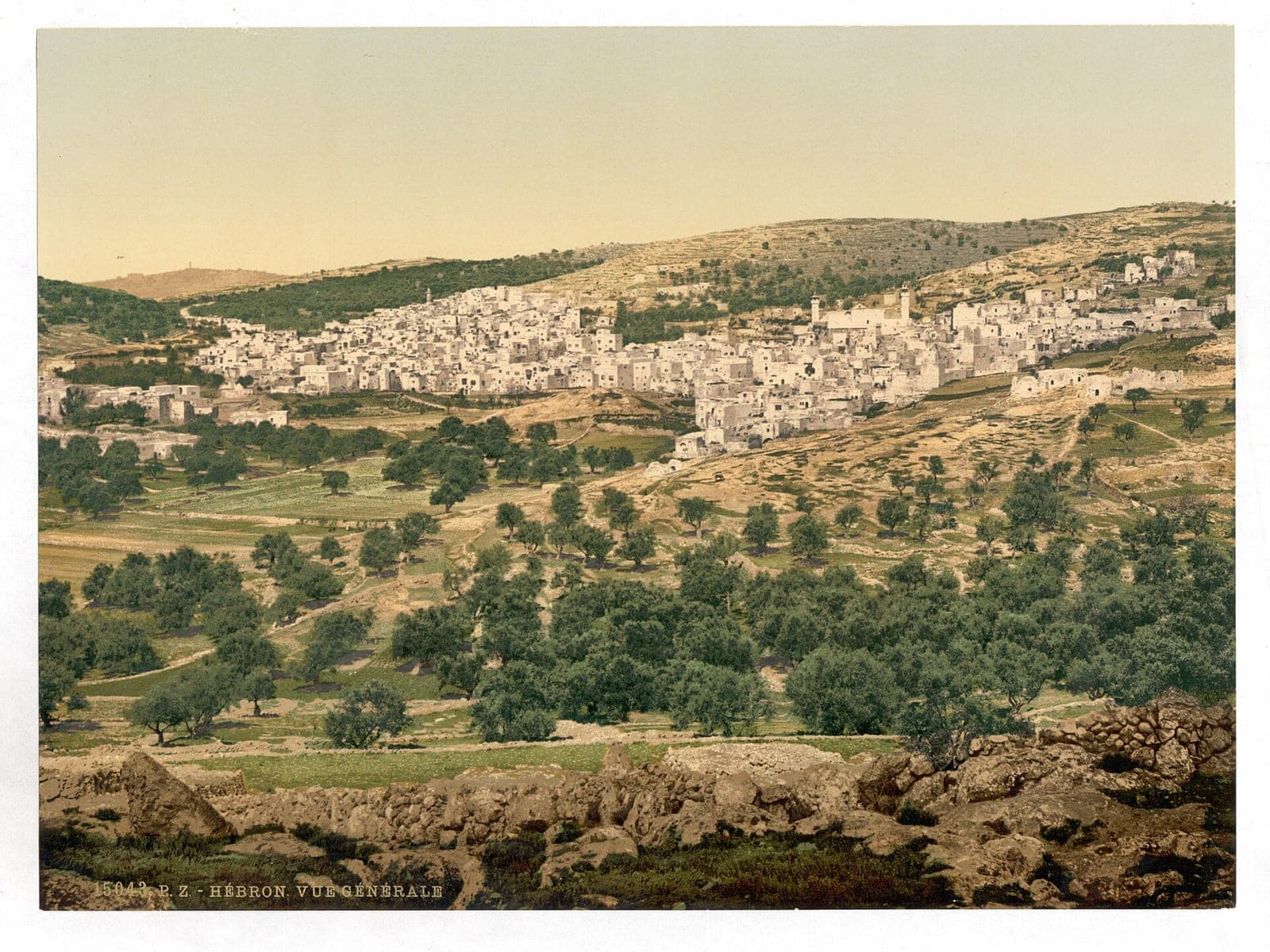
Photo: Photochrom print, Library of Congress Prints and Photographs Division (LCCN 2002724987). License: Public domain in the United States; Library of Congress states no known restrictions on publication. Source. Location: Hebron, West Bank; print preserved by the Library of Congress. Resized for the web.
Explore the places of the Bible
See where biblical events happened, why each place matters, and what archaeology helps us understand.
Hebron
Where Abraham lived and buried Sarah, and where David was first made king.
Get full access with one subscription
Explore the people and places of the Bible. Read summaries of every book, with images and clear explanations covering every chapter. Access all these features and our Bible study tools with one subscription.
See PlansAsk AI about Psalms 63:1
Ask a question about this verse and get a clear answer, with Bible references you can read for yourself.
Every Bible book, explained chapter by chapter
Explore summaries of every book of the Bible, with images and easy-to-understand explanations covering every chapter.
Keep studying Psalms 63:1
Related Bible verses
Related topics
At a Glance — the Book of Psalms
- Author
- David, Asaph, the sons of Korah, Solomon, and others
- Written
- Around 1000-500 BC
- Genre
- Poetry and worship
- Original Audience
- Worshipers of Israel
Frequently Asked Questions
Quick, clear answers about this verse
What does Psalms 63:1 mean by 'early will I seek you'?
The phrase 'early will I seek you' emphasizes the importance of prioritizing time with God at the beginning of the day. It suggests that the psalmist is committed to starting each day with prayer and seeking God's presence, which can set a positive tone for the rest of the day. This practice can help cultivate a deeper relationship with God and provide spiritual strength.
How can I apply the longing expressed in Psalms 63:1 to my life?
To apply the longing for God in Psalms 63:1, consider setting aside dedicated time each morning for prayer and Bible reading. Reflect on your spiritual needs and express your desire for a closer relationship with God. Acknowledge moments of spiritual dryness and seek God earnestly, understanding that just as your body needs water, your soul needs God's presence for true fulfillment.
What does 'my soul thirsts for you' signify in this verse?
The phrase 'my soul thirsts for you' signifies a deep spiritual longing and need for God's presence. It conveys the idea that just as the body craves water in a dry land, the soul craves a connection with God for spiritual nourishment and fulfillment. This imagery highlights the urgency and desperation for divine support and guidance in life.
Why does the psalmist describe the land as 'dry and thirsty'?
The description of the land as 'dry and thirsty' symbolizes a state of spiritual barrenness and longing for God. It reflects the psalmist's feelings of emptiness and the need for divine intervention. This imagery serves to illustrate the contrast between a life without God, which feels desolate, and a life filled with His presence, which brings fulfillment and purpose.
Daily Verse — straight to your inbox
A verse and a 2-sentence plain-English explanation, every morning. Free. Unsubscribe anytime.