Old Testament
Psalms 79:8
Read the Bible in clear, modern English—easy to understand, faithful to the meaning, and written for everyday readers.
Do not remember our former iniquities against us. Let your tender mercies speedily come before us, for we are brought very low.
Compare translations
O remember not against us former iniquities: let thy tender mercies speedily prevent us: for we are brought very low.
What Psalms 79:8 means
Plain-English insight for readers
In this verse, the psalmist is pleading with God not to hold past sins against His people. They acknowledge their wrongdoing and express a deep sense of humility and desperation. The phrase 'tender mercies' highlights God's compassion and kindness, suggesting that the psalmist is seeking immediate help and relief from their suffering. The context indicates that the people are in a low state, possibly due to oppression or punishment for their sins. By asking for God's mercy to come quickly, they are expressing their need for divine intervention and restoration. This verse reflects a heartfelt cry for forgiveness and support, emphasizing the importance of relying on God's grace in times of trouble. It serves as a reminder that even in our lowest moments, we can turn to God for mercy and hope for renewal.
How to apply Psalms 79:8 to your life
When facing the consequences of our actions, we can approach God with humility, asking for His mercy and forgiveness. This verse encourages us to acknowledge our mistakes and seek God's help, reminding us that He is compassionate and ready to restore us when we turn to Him sincerely.
Curated for this public verse page. Psalms Summary
Explore more of the Bible
Learn the Bible through its people and places
Get to know the people in Scripture through illustrated stories, and explore the places where they lived and traveled.

Illustrated scene from Daniel's story: Faithful at the King's Table (Daniel 1:1–21)
Meet the people of the Bible
Follow their lives in order, with illustrated scenes and Bible passages that tell their stories.
 Daniel
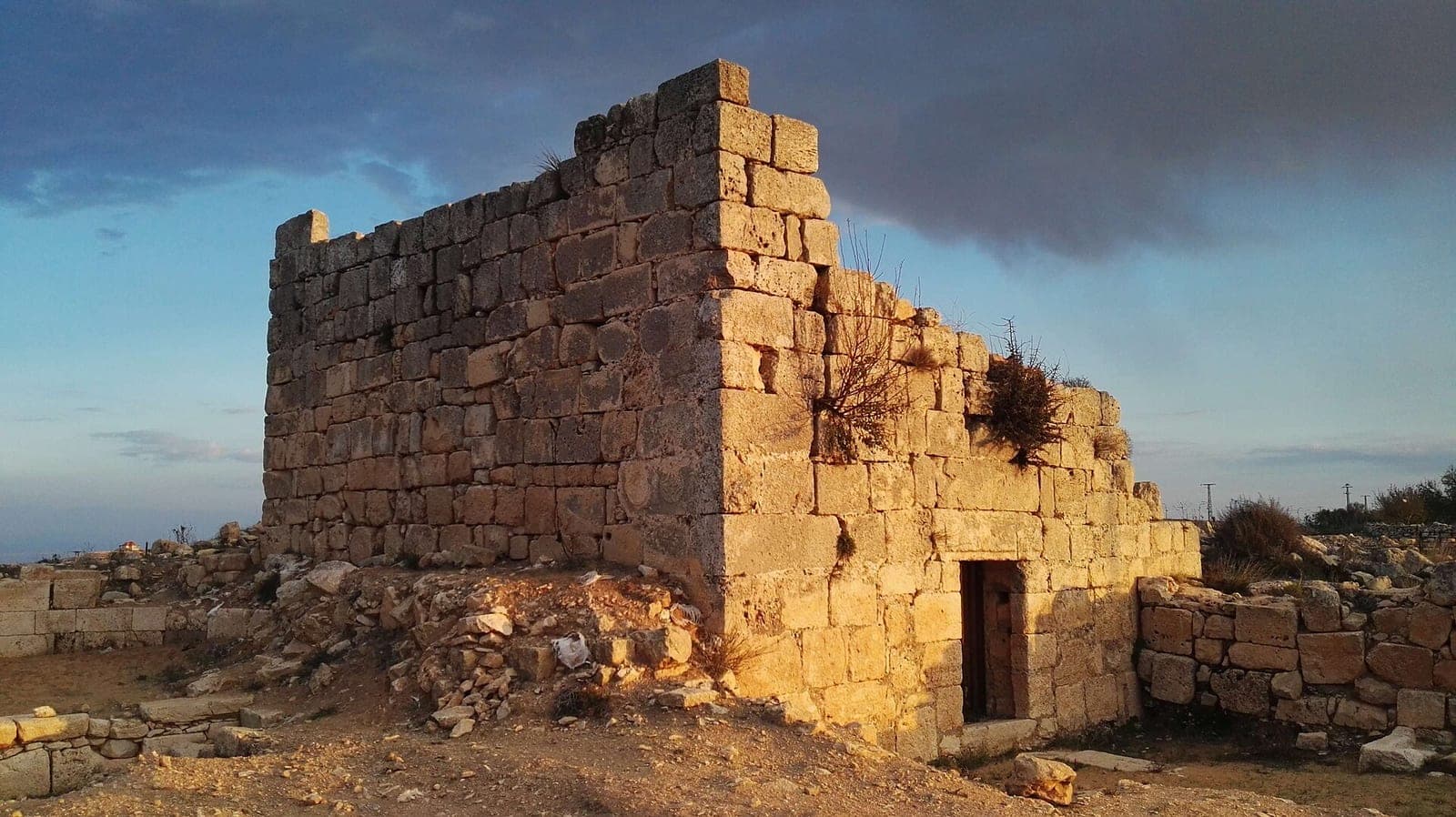
Photo: Bukvoed, via Wikimedia Commons. License: CC BY 4.0. Source. Location: Burj Beitin, Beitin, Ramallah and al-Bireh Governorate, West Bank. Resized for the web.
Explore the places of the Bible
See where biblical events happened, why each place matters, and what archaeology helps us understand.
Bethel
Where Jacob dreamed of a stairway to heaven and met God.
Get full access with one subscription
Explore the people and places of the Bible. Read summaries of every book, with images and clear explanations covering every chapter. Access all these features and our Bible study tools with one subscription.
See PlansAsk AI about Psalms 79:8
Ask a question about this verse and get a clear answer, with Bible references you can read for yourself.
Every Bible book, explained chapter by chapter
Explore summaries of every book of the Bible, with images and easy-to-understand explanations covering every chapter.
Keep studying Psalms 79:8
Related Bible verses
Key themes
Related topics
At a Glance — the Book of Psalms
- Author
- David, Asaph, the sons of Korah, Solomon, and others
- Written
- Around 1000-500 BC
- Genre
- Poetry and worship
- Original Audience
- Worshipers of Israel
Frequently Asked Questions
Quick, clear answers about this verse
What does Psalms 79:8 mean?
Psalms 79:8 expresses a plea to God not to remember the sins of the past. The psalmist acknowledges their low state and seeks God's mercy and immediate help.
What is the meaning of 'tender mercies' in Psalms 79:8?
The phrase 'tender mercies' in Psalms 79:8 refers to God's deep compassion and kindness. It highlights the psalmist's hope for God's swift assistance in their time of need.
How can I apply Psalms 79:8 in my life?
You can apply Psalms 79:8 by approaching God with humility when facing the consequences of your actions. It encourages you to seek God's mercy and forgiveness sincerely.
Why is humility important in Psalms 79:8?
Humility is important in Psalms 79:8 because it reflects the psalmist's recognition of their mistakes and need for God's help. It emphasizes the importance of acknowledging our shortcomings when seeking divine mercy.
Daily Verse — straight to your inbox
A verse and a 2-sentence plain-English explanation, every morning. Free. Unsubscribe anytime.