New Testament
Revelation 18:13
Read the Bible in clear, modern English—easy to understand, faithful to the meaning, and written for everyday readers.
cinnamon, incense, perfume, and frankincense; wine, olive oil, fine flour, and wheat; cattle, sheep, horses, and chariots, and slaves, and souls of men.
Compare translations
And cinnamon, and odours, and ointments, and frankincense, and wine, and oil, and fine flour, and wheat, and beasts, and sheep, and horses, and chariots, and slaves, and souls of men.
What Revelation 18:13 means
Plain-English insight for readers
In Revelation 18:13, a list of luxurious goods and commodities is presented, highlighting the wealth and opulence of a fallen city, often interpreted as representing corrupt systems or societies. The mention of items like cinnamon, incense, and fine flour indicates the trade of valuable products that contribute to the city's prosperity. However, the inclusion of 'slaves' and 'souls of men' reveals a dark side to this wealth, suggesting exploitation and moral decay. This passage serves as a stark reminder of the consequences of prioritizing material wealth over human dignity and ethical values. The imagery evokes a sense of loss and judgment, as the city faces destruction for its sins. Ultimately, it illustrates the transient nature of earthly riches and the importance of seeking spiritual rather than material fulfillment.
How to apply Revelation 18:13 to your life
This verse encourages us to reflect on our values and priorities. It challenges us to consider how we pursue wealth and success, urging us to avoid exploiting others in the process. Instead, we should seek to uplift and support those around us, valuing human dignity over material gain.
Curated for this public verse page. Revelation Summary
Explore more of the Bible
Learn the Bible through its people and places
Get to know the people in Scripture through illustrated stories, and explore the places where they lived and traveled.
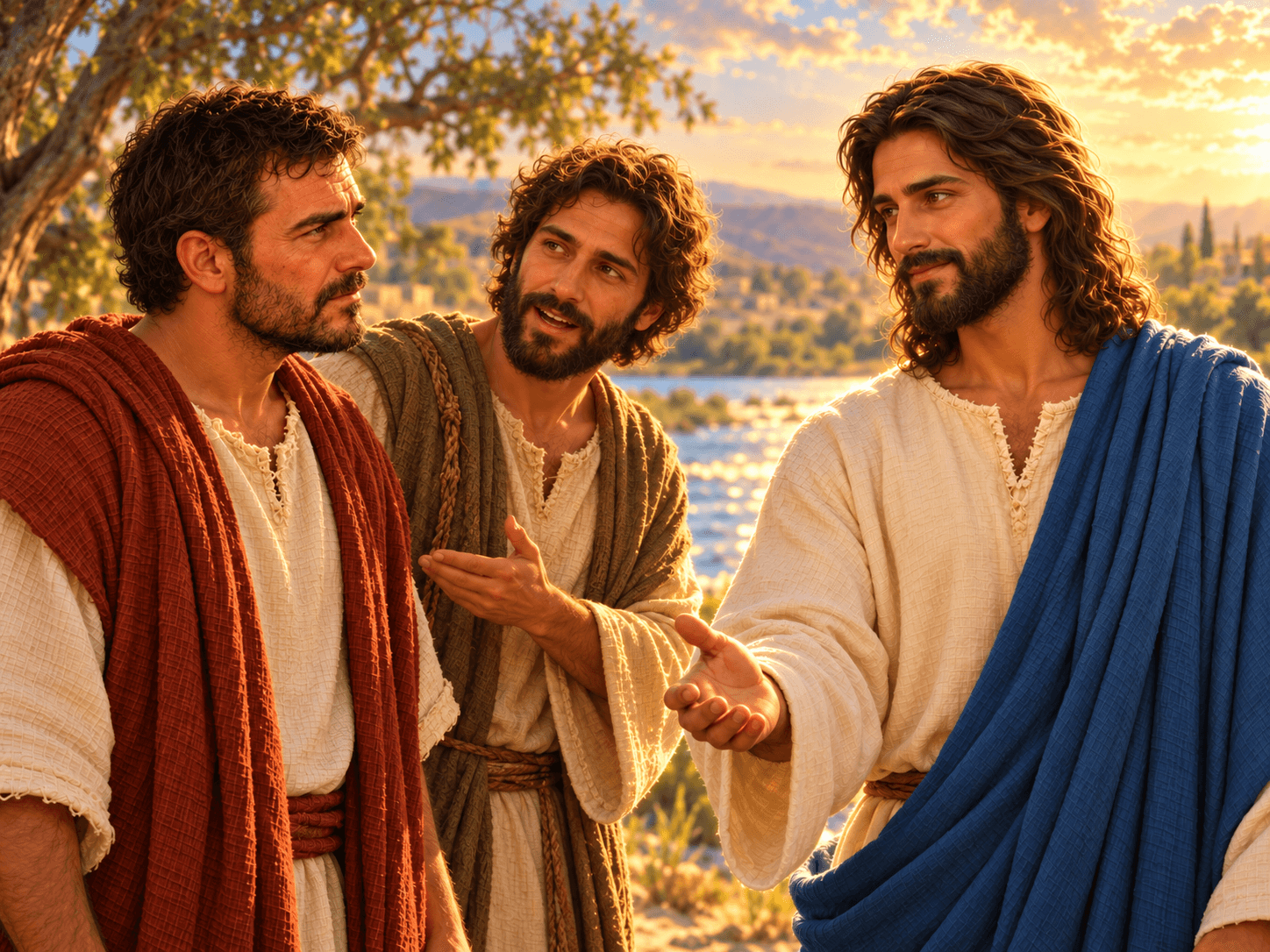
Illustrated scene from Peter's story: Andrew Brings Simon to Jesus (John 1:40–42)
Meet the people of the Bible
Follow their lives in order, with illustrated scenes and Bible passages that tell their stories.
 Peter
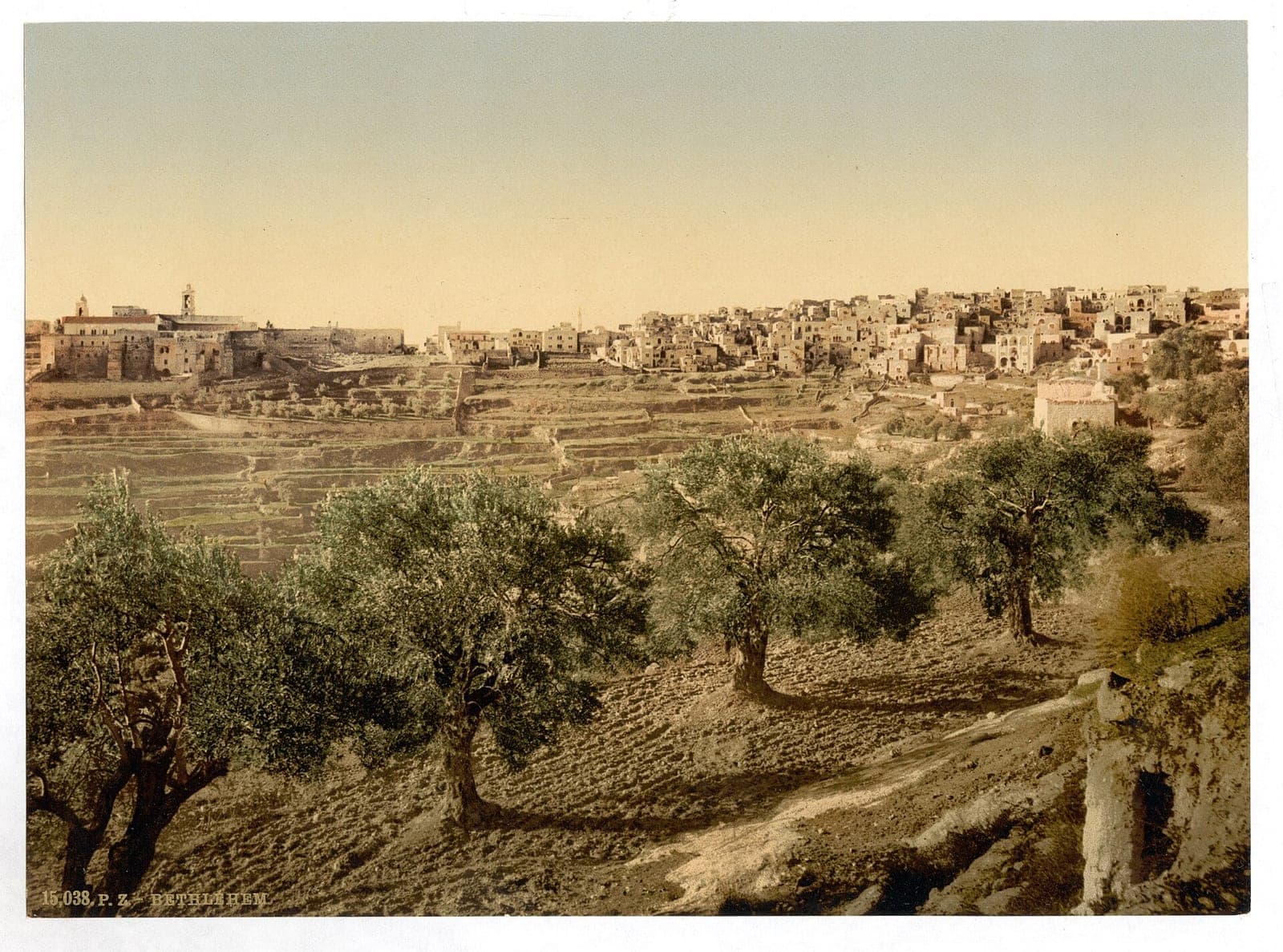
Photo: Photochrom print, Library of Congress Prints and Photographs Division (LCCN 2002724966). License: Public domain in the United States; Library of Congress states no known restrictions on publication. Source. Location: Bethlehem, West Bank; print preserved by the Library of Congress. Resized for the web.
Explore the places of the Bible
See where biblical events happened, why each place matters, and what archaeology helps us understand.
Bethlehem
David's hometown, and the town where Jesus was born.
Get full access with one subscription
Explore the people and places of the Bible. Read summaries of every book, with images and clear explanations covering every chapter. Access all these features and our Bible study tools with one subscription.
See PlansAsk AI about Revelation 18:13
Ask a question about this verse and get a clear answer, with Bible references you can read for yourself.
Every Bible book, explained chapter by chapter
Explore summaries of every book of the Bible, with images and easy-to-understand explanations covering every chapter.
Keep studying Revelation 18:13
Related Bible verses
Key themes
Related topics
At a Glance — the Book of Revelation
- Author
- John the apostle
- Written
- Around AD 95
- Genre
- Apocalyptic prophecy
- Original Audience
- The seven churches of Asia Minor
Frequently Asked Questions
Quick, clear answers about this verse
What does Revelation 18:13 mean?
Revelation 18:13 lists various luxurious goods and commodities, symbolizing the wealth of a fallen city. It highlights the corrupt nature of societies that prioritize material wealth over human dignity, ultimately leading to moral decay and judgment.
What is the significance of 'slaves' in Revelation 18:13?
The mention of 'slaves' in Revelation 18:13 underscores the exploitation and moral corruption associated with the wealth of the city. It serves as a reminder of the dark consequences of prioritizing material gain at the expense of human rights and dignity.
What does 'souls of men' refer to in Revelation 18:13?
In Revelation 18:13, 'souls of men' refers to the human cost of the city's wealth, indicating that people are treated as commodities. This phrase emphasizes the moral decay and exploitation present in societies that value materialism over humanity.
What themes are present in Revelation 18:13?
Revelation 18:13 presents themes of materialism, corruption, exploitation, and judgment. It illustrates the transient nature of earthly riches and the consequences of prioritizing wealth over ethical values.
Daily Verse — straight to your inbox
A verse and a 2-sentence plain-English explanation, every morning. Free. Unsubscribe anytime.