New Testament
Revelation 6:8
Read the Bible in clear, modern English—easy to understand, faithful to the meaning, and written for everyday readers.
I looked, and there was a pale horse. The name of its rider was Death, and Hell followed close behind him. They were given authority over a fourth of the earth — to kill with the sword, with hunger, with death, and with the wild animals of the earth.
Compare translations
And I looked, and behold a pale horse: and his name that sat on him was Death, and Hell followed with him. And power was given unto them over the fourth part of the earth, to kill with sword, and with hunger, and with death, and with the beasts of the earth.
What Revelation 6:8 means
Plain-English insight for readers
In Revelation 6:8, the vision of a pale horse symbolizes death and destruction. The rider, named Death, represents the inevitable end that comes to all living things. Following him is Hell, indicating that many souls are lost during this time of judgment. The passage reveals that they have power over a quarter of the earth, meaning widespread devastation will occur through various means: violence (the sword), famine (hunger), disease (death), and wild animals. This imagery serves as a warning about the consequences of sin and the reality of divine judgment. It emphasizes the seriousness of turning away from God and the ultimate fate that awaits those who do not heed His warnings. The vivid descriptions are meant to evoke a sense of urgency and reflection on one's spiritual state, urging readers to consider their relationship with God and the impact of their choices in life.
How to apply Revelation 6:8 to your life
This verse reminds us of the seriousness of life and the consequences of our actions. It encourages us to reflect on our spiritual lives and to seek a relationship with God, ensuring we are prepared for the realities of life and death.
Curated for this public verse page. Revelation Summary
Explore more of the Bible
Learn the Bible through its people and places
Get to know the people in Scripture through illustrated stories, and explore the places where they lived and traveled.
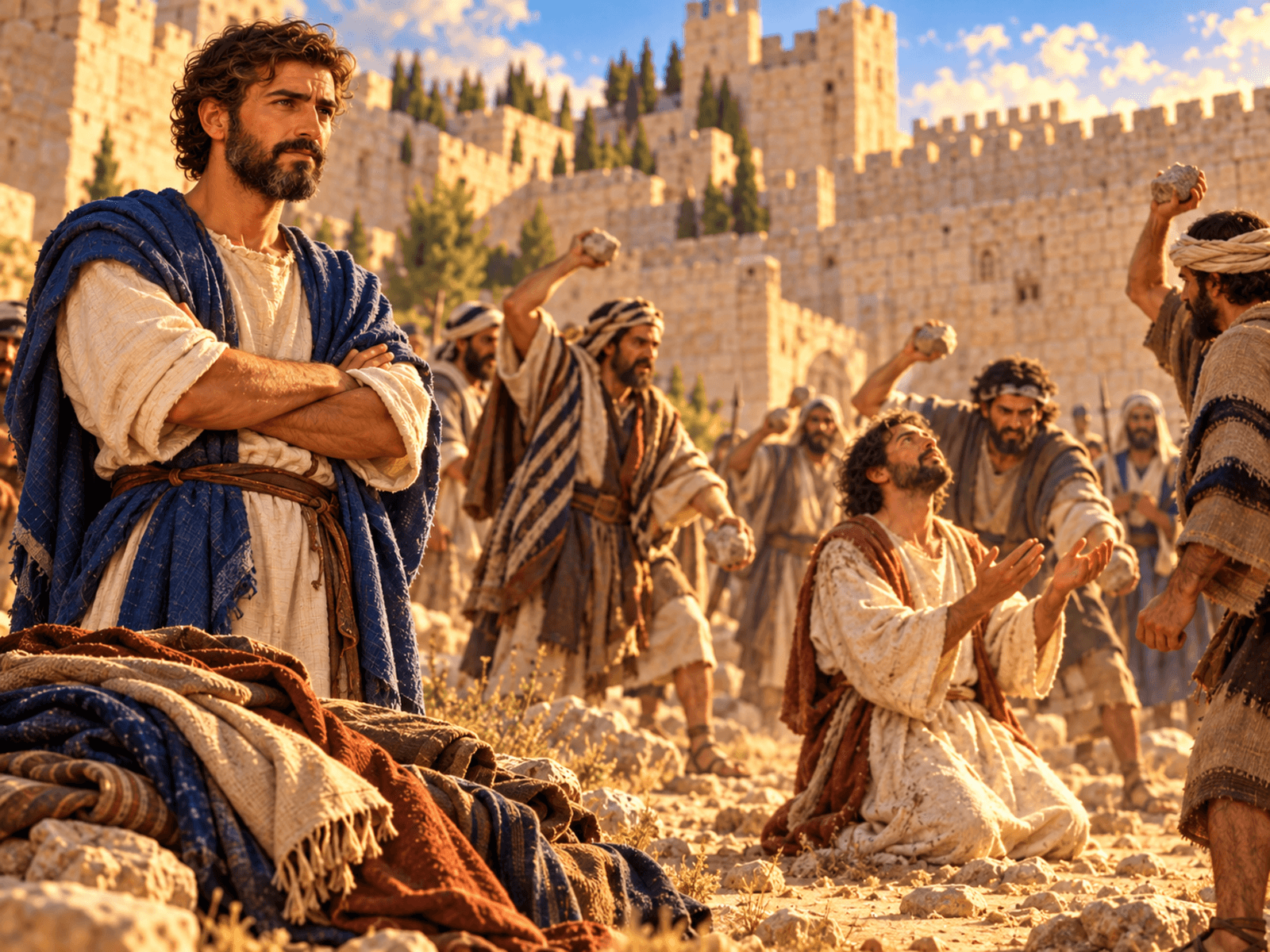
Illustrated scene from Paul's story: The Stoning of Stephen (Acts 7:57–8:2)
Meet the people of the Bible
Follow their lives in order, with illustrated scenes and Bible passages that tell their stories.
 Paul

Photo: Photochrom print, Library of Congress Prints and Photographs Division (LCCN 2002725045). License: Public domain in the United States; Library of Congress states no known restrictions on publication. Source. Location: Nazareth, Israel; print preserved by the Library of Congress. Resized for the web.
Explore the places of the Bible
See where biblical events happened, why each place matters, and what archaeology helps us understand.
Nazareth
The small town in Galilee where Jesus grew up.
Get full access with one subscription
Explore the people and places of the Bible. Read summaries of every book, with images and clear explanations covering every chapter. Access all these features and our Bible study tools with one subscription.
See PlansAsk AI about Revelation 6:8
Ask a question about this verse and get a clear answer, with Bible references you can read for yourself.
Every Bible book, explained chapter by chapter
Explore summaries of every book of the Bible, with images and easy-to-understand explanations covering every chapter.
Keep studying Revelation 6:8
Related Bible verses
Related topics
At a Glance — the Book of Revelation
- Author
- John the apostle
- Written
- Around AD 95
- Genre
- Apocalyptic prophecy
- Original Audience
- The seven churches of Asia Minor
Frequently Asked Questions
Quick, clear answers about this verse
What does Revelation 6:8 mean?
Revelation 6:8 describes a vision of a pale horse whose rider is named Death, symbolizing the end of life and the consequences of sin. It indicates that Death and Hell will have authority over a quarter of the earth, bringing devastation through violence, famine, disease, and wild animals.
What is the significance of the pale horse in Revelation 6:8?
The pale horse in Revelation 6:8 represents death and destruction, highlighting the severity of divine judgment. Its rider, Death, signifies the inevitable fate that awaits all living beings, serving as a warning about the consequences of turning away from God.
What does the rider named Death represent in Revelation 6:8?
In Revelation 6:8, the rider named Death symbolizes the finality of life and the reality of mortality. This imagery emphasizes the seriousness of spiritual choices and the judgment that follows a life lived apart from God.
What are the consequences mentioned in Revelation 6:8?
Revelation 6:8 outlines several consequences of judgment, including death by the sword, famine, disease, and attacks from wild animals. These represent the widespread devastation that will occur as a result of divine authority over a portion of the earth.
Daily Verse — straight to your inbox
A verse and a 2-sentence plain-English explanation, every morning. Free. Unsubscribe anytime.