New Testament
Romans 11:35
Read the Bible in clear, modern English—easy to understand, faithful to the meaning, and written for everyday readers.
Or who has first given to him, that it should be repaid to him?
Compare translations
Or who hath first given to him, and it shall be recompensed unto him again?
What Romans 11:35 means
Plain-English insight for readers
This verse poses a rhetorical question emphasizing God's sovereignty and grace. It suggests that no one can claim to have given anything to God that would require repayment. In essence, it highlights the idea that all we have comes from God, and we cannot put Him in our debt. The context of this verse is about God's mercy and the mystery of His plans for Israel and the Gentiles. It reminds believers that God's gifts and calling are not based on our actions or contributions but are freely given. This challenges the notion of earning God's favor and underscores the importance of humility in our relationship with Him. Ultimately, it reinforces the idea that God is the source of all blessings, and we should approach Him with gratitude rather than entitlement.
How to apply Romans 11:35 to your life
This verse encourages us to recognize that everything we have is a gift from God. We should approach Him with gratitude, understanding that we cannot earn His favor. Instead of trying to repay God, we should focus on living in a way that honors Him and reflects His grace in our lives.
Curated for this public verse page. Romans Summary
Explore more of the Bible
Learn the Bible through its people and places
Get to know the people in Scripture through illustrated stories, and explore the places where they lived and traveled.
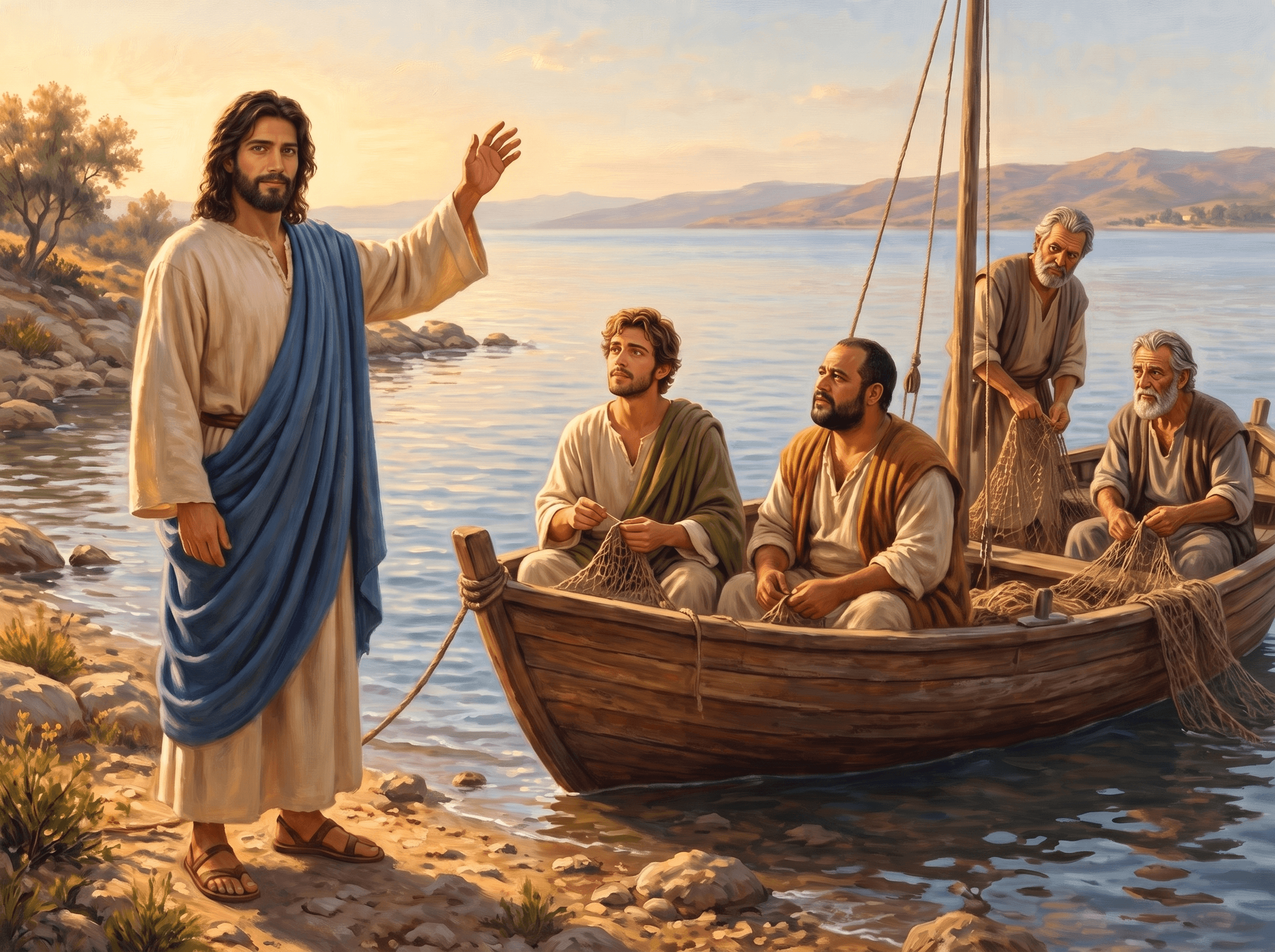
Illustrated scene from John the Apostle's story: Mending Their Nets (Mark 1:19–20)
Meet the people of the Bible
Follow their lives in order, with illustrated scenes and Bible passages that tell their stories.
 John the Apostle
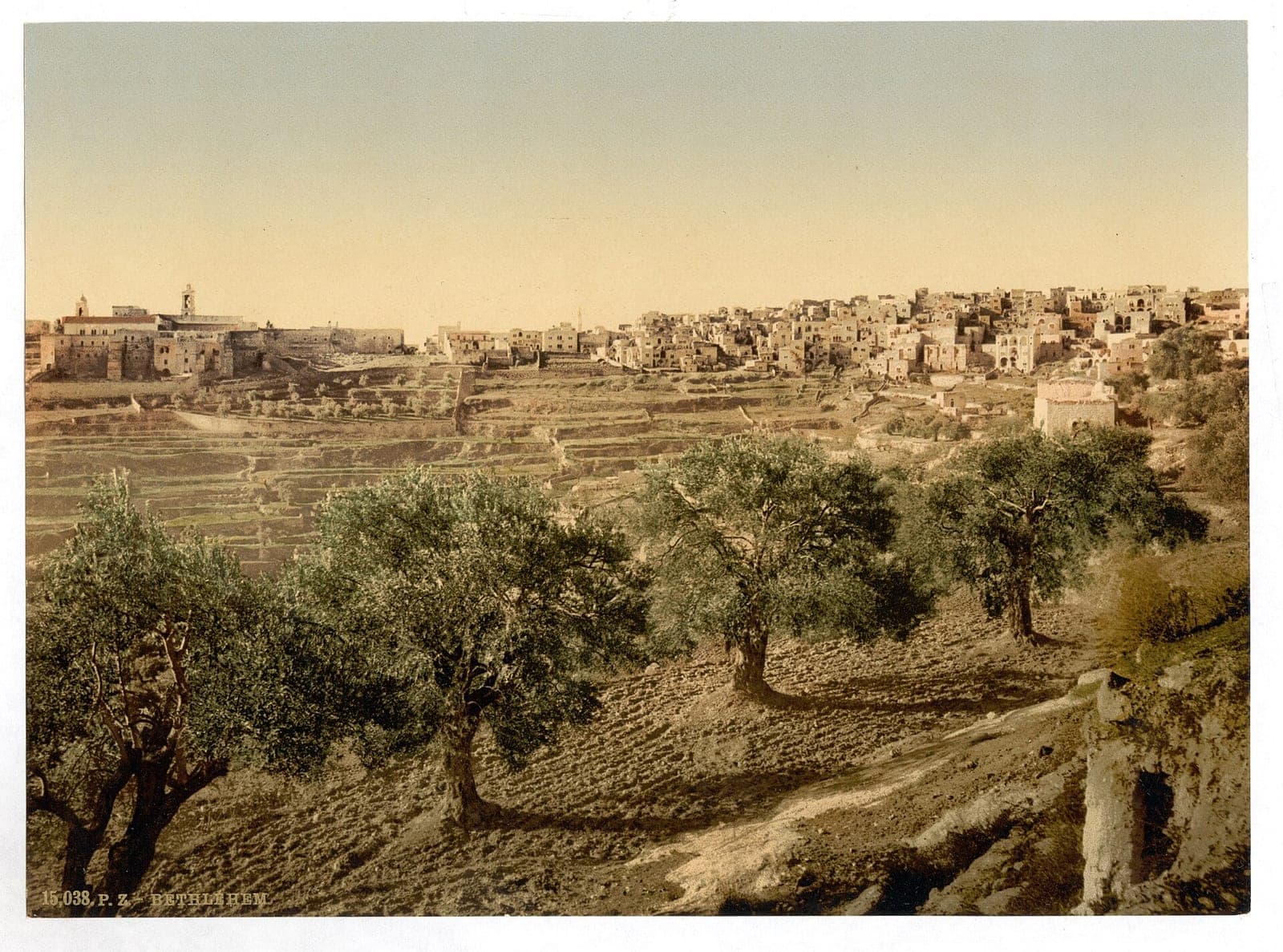
Photo: Photochrom print, Library of Congress Prints and Photographs Division (LCCN 2002724966). License: Public domain in the United States; Library of Congress states no known restrictions on publication. Source. Location: Bethlehem, West Bank; print preserved by the Library of Congress. Resized for the web.
Explore the places of the Bible
See where biblical events happened, why each place matters, and what archaeology helps us understand.
Bethlehem
David's hometown, and the town where Jesus was born.
Get full access with one subscription
Explore the people and places of the Bible. Read summaries of every book, with images and clear explanations covering every chapter. Access all these features and our Bible study tools with one subscription.
See PlansAsk AI about Romans 11:35
Ask a question about this verse and get a clear answer, with Bible references you can read for yourself.
Every Bible book, explained chapter by chapter
Explore summaries of every book of the Bible, with images and easy-to-understand explanations covering every chapter.
Keep studying Romans 11:35
Related Bible verses
Key themes
Related topics
At a Glance — the Book of Romans
- Author
- Paul the apostle
- Written
- Around AD 57
- Genre
- Letter (epistle)
- Original Audience
- Christians in Rome
Frequently Asked Questions
Quick, clear answers about this verse
What does Romans 11:35 mean about giving to God?
Romans 11:35 emphasizes that no one can give anything to God that would require Him to repay them. It highlights God's sovereignty and grace, reminding us that all we have comes from Him. This verse challenges the idea that we can earn God's favor through our actions, underscoring that His gifts are freely given and not based on our contributions.
How does Romans 11:35 relate to God's mercy?
This verse is part of a larger discussion about God's mercy towards Israel and the Gentiles. It illustrates that God's plans and gifts are not contingent on human actions. Instead, it emphasizes His grace and the mystery of His divine purpose, reminding believers that God's mercy is given freely and cannot be earned.
What is the significance of humility in Romans 11:35?
Romans 11:35 teaches the importance of humility in our relationship with God. By recognizing that we cannot put God in our debt, we are reminded to approach Him with gratitude rather than entitlement. This humility allows us to appreciate God's grace and live in a way that honors Him, reflecting His love and mercy in our lives.
How can I apply Romans 11:35 in my daily life?
To apply Romans 11:35, focus on cultivating an attitude of gratitude towards God for all His gifts. Acknowledge that you cannot earn His favor and instead strive to honor Him through your actions and choices. Live out your faith by reflecting God's grace to others, understanding that your relationship with Him is based on His love and mercy, not your own efforts.
Daily Verse — straight to your inbox
A verse and a 2-sentence plain-English explanation, every morning. Free. Unsubscribe anytime.