New Testament
Romans 13:2
Read the Bible in clear, modern English—easy to understand, faithful to the meaning, and written for everyday readers.
So whoever resists the authority is opposing what God has established, and those who resist will bring judgment on themselves.
Compare translations
Whosoever therefore resisteth the power, resisteth the ordinance of God: and they that resist shall receive to themselves damnation.
What Romans 13:2 means
Plain-English insight for readers
In Romans 13:2, the Apostle Paul emphasizes the importance of respecting authority, as it is established by God. When individuals resist or oppose governing authorities, they are essentially opposing God's order. This resistance can lead to serious consequences, as it invites judgment upon oneself. The verse highlights that authority figures are put in place for a reason, and rebelling against them is not just a political act but a spiritual one. It serves as a reminder that God is sovereign over all aspects of life, including governance. Therefore, believers are encouraged to submit to authorities, recognizing that they are part of God's plan for maintaining order and justice in society. This does not mean blind obedience to corrupt leaders, but rather an understanding that God ultimately holds authority over all and that resisting earthly powers can have spiritual ramifications.
How to apply Romans 13:2 to your life
As believers, we should strive to respect and submit to the authorities in our lives, recognizing their role in God's plan. This means engaging in civic duties responsibly and addressing injustices through lawful means rather than rebellion. Trusting God’s sovereignty helps us navigate difficult situations with grace.
Curated for this public verse page. Romans Summary
Explore more of the Bible
Learn the Bible through its people and places
Get to know the people in Scripture through illustrated stories, and explore the places where they lived and traveled.
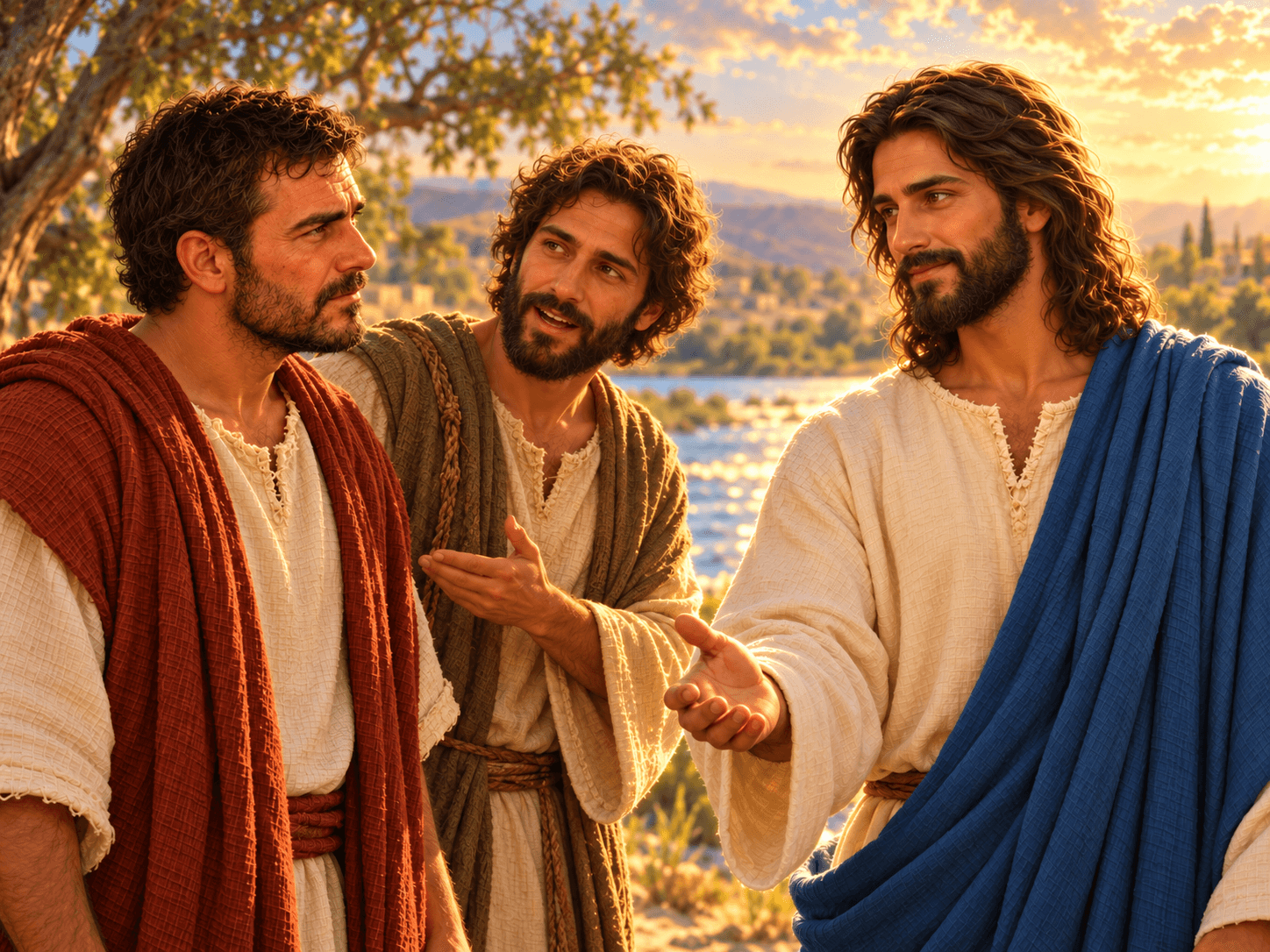
Illustrated scene from Peter's story: Andrew Brings Simon to Jesus (John 1:40–42)
Meet the people of the Bible
Follow their lives in order, with illustrated scenes and Bible passages that tell their stories.
 Peter
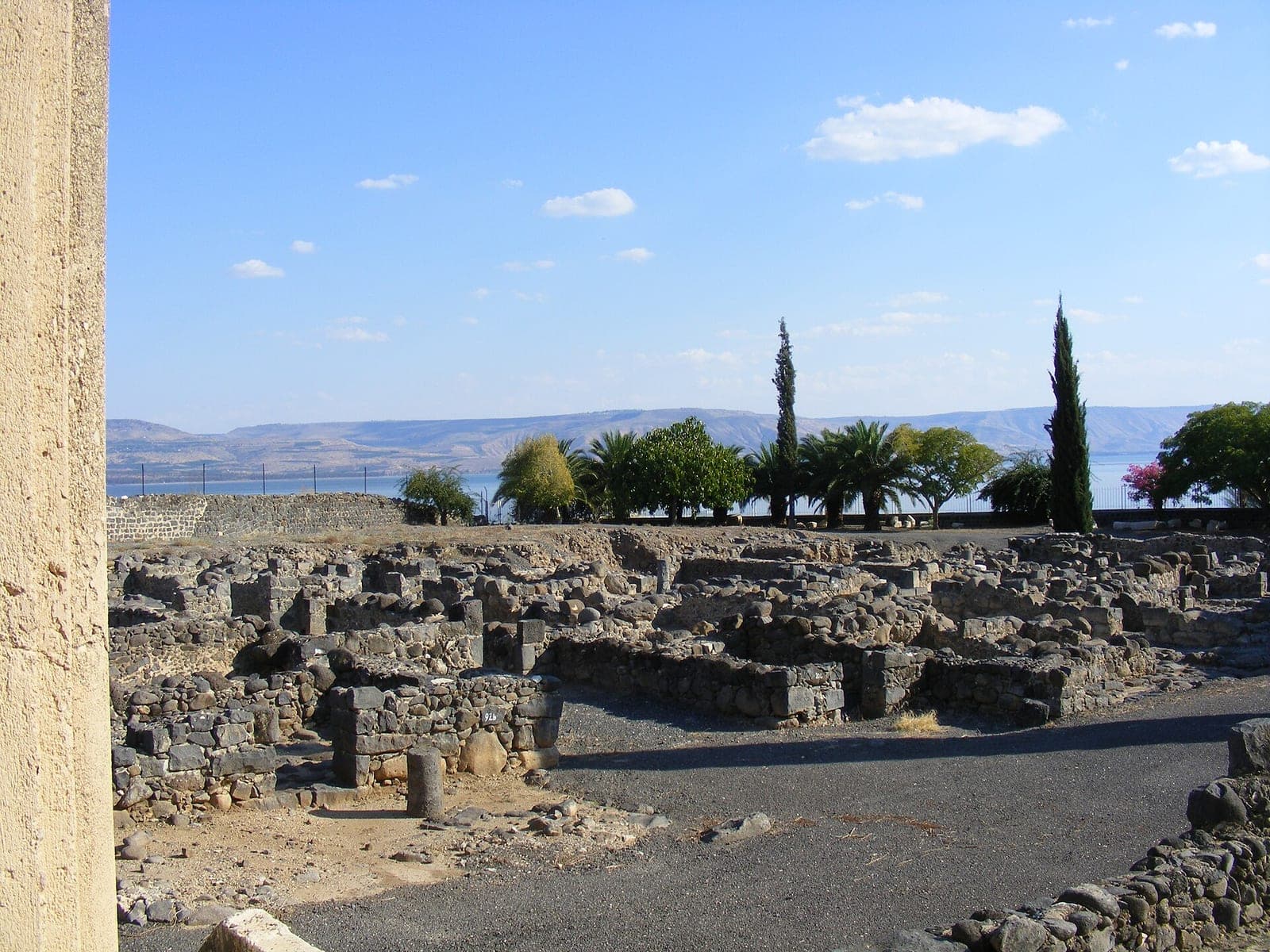
Photo: zeevveez, via Wikimedia Commons. License: CC BY 2.0. Source. Location: Capernaum, on the northern shore of the Sea of Galilee. Resized for the web.
Explore the places of the Bible
See where biblical events happened, why each place matters, and what archaeology helps us understand.
Capernaum
Jesus' home base by the Sea of Galilee, and the town where Peter lived.
Get full access with one subscription
Explore the people and places of the Bible. Read summaries of every book, with images and clear explanations covering every chapter. Access all these features and our Bible study tools with one subscription.
See PlansAsk AI about Romans 13:2
Ask a question about this verse and get a clear answer, with Bible references you can read for yourself.
Every Bible book, explained chapter by chapter
Explore summaries of every book of the Bible, with images and easy-to-understand explanations covering every chapter.
Keep studying Romans 13:2
Related Bible verses
Key themes
At a Glance — the Book of Romans
- Author
- Paul the apostle
- Written
- Around AD 57
- Genre
- Letter (epistle)
- Original Audience
- Christians in Rome
Frequently Asked Questions
Quick, clear answers about this verse
What does Romans 13:2 mean?
Romans 13:2 means that resisting authority is equivalent to opposing God's established order. It warns that such resistance can lead to judgment upon oneself.
What is the meaning of authority in Romans 13:2?
In Romans 13:2, authority refers to governing powers that are instituted by God. The verse emphasizes the importance of respecting these authorities as part of God's plan for order.
What are the consequences of resisting authority according to Romans 13:2?
According to Romans 13:2, those who resist authority will bring judgment upon themselves. This suggests that opposing established powers can have serious spiritual repercussions.
How should Christians respond to corrupt leaders based on Romans 13:2?
Christians should respect authority as established by God, but this does not mean blind obedience. They can address injustices through lawful means while recognizing God's ultimate authority.
Daily Verse — straight to your inbox
A verse and a 2-sentence plain-English explanation, every morning. Free. Unsubscribe anytime.