New Testament
Romans 16:14
Read the Bible in clear, modern English—easy to understand, faithful to the meaning, and written for everyday readers.
Greet Asyncritus, Phlegon, Hermas, Patrobas, Hermes, and the brothers who are with them.
Compare translations
Salute Asyncritus, Phlegon, Hermas, Patrobas, Hermes, and the brethren which are with them.
What Romans 16:14 means
Plain-English insight for readers
In Romans 16:14, the Apostle Paul sends greetings to several individuals, highlighting the importance of community and relationships within the early church. Asyncritus, Phlegon, Hermas, Patrobas, and Hermes are mentioned, along with their companions. This verse reflects the personal connections Paul had with these believers, emphasizing that the church is not just an institution but a family of individuals who support one another. The act of greeting signifies recognition and appreciation for their contributions to the faith. It also shows that Paul valued the relationships he built during his ministry, reminding us that fellowship is vital in the Christian life. Each name represents a unique person with their own story and role in the church, illustrating the diversity and unity found in the body of Christ. This verse encourages believers to acknowledge and appreciate one another, fostering a sense of belonging and mutual support in their spiritual journeys.
How to apply Romans 16:14 to your life
This verse encourages us to actively acknowledge and greet those in our church community. By recognizing the contributions of others, we foster a sense of belonging and support. Make it a habit to reach out to fellow believers, strengthening relationships and building a united community in faith.
Curated for this public verse page. Romans Summary
Explore more of the Bible
Learn the Bible through its people and places
Get to know the people in Scripture through illustrated stories, and explore the places where they lived and traveled.
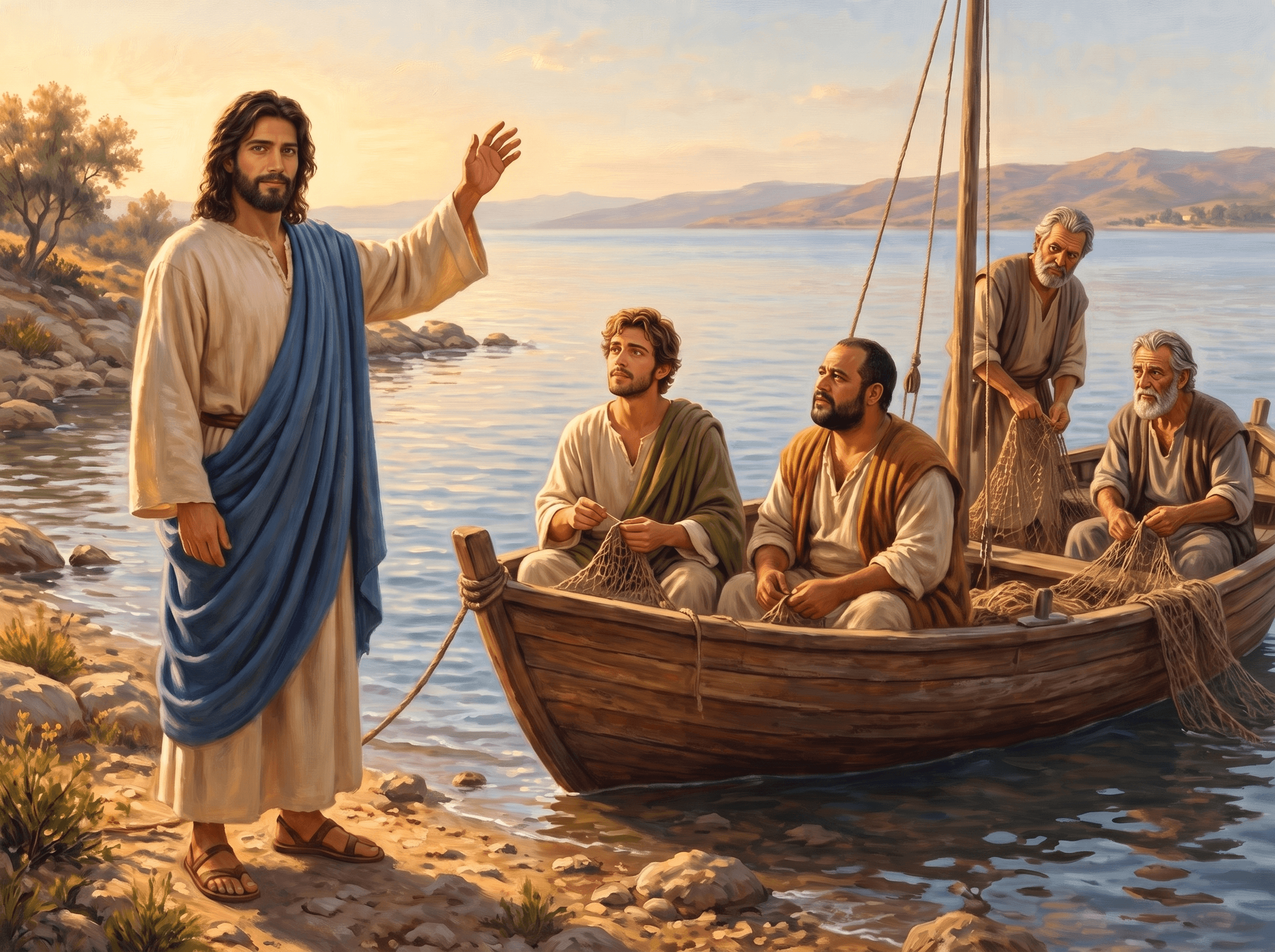
Illustrated scene from John the Apostle's story: Mending Their Nets (Mark 1:19–20)
Meet the people of the Bible
Follow their lives in order, with illustrated scenes and Bible passages that tell their stories.
 John the Apostle

Photo: Photochrom print, Library of Congress Prints and Photographs Division (LCCN 2002725045). License: Public domain in the United States; Library of Congress states no known restrictions on publication. Source. Location: Nazareth, Israel; print preserved by the Library of Congress. Resized for the web.
Explore the places of the Bible
See where biblical events happened, why each place matters, and what archaeology helps us understand.
Nazareth
The small town in Galilee where Jesus grew up.
Get full access with one subscription
Explore the people and places of the Bible. Read summaries of every book, with images and clear explanations covering every chapter. Access all these features and our Bible study tools with one subscription.
See PlansAsk AI about Romans 16:14
Ask a question about this verse and get a clear answer, with Bible references you can read for yourself.
Every Bible book, explained chapter by chapter
Explore summaries of every book of the Bible, with images and easy-to-understand explanations covering every chapter.
Keep studying Romans 16:14
Related Bible verses
Key themes
Related topics
At a Glance — the Book of Romans
- Author
- Paul the apostle
- Written
- Around AD 57
- Genre
- Letter (epistle)
- Original Audience
- Christians in Rome
Frequently Asked Questions
Quick, clear answers about this verse
What does Romans 16:14 mean?
Romans 16:14 is a greeting from Paul to several individuals in the early church, emphasizing the importance of community and personal relationships among believers.
Who are the individuals mentioned in Romans 16:14?
The individuals mentioned are Asyncritus, Phlegon, Hermas, Patrobas, Hermes, and their companions, highlighting the diverse members of the early Christian community.
What is the significance of greeting others in Romans 16:14?
Greeting others in this verse signifies recognition and appreciation for their contributions, reinforcing the idea that the church is a supportive family.
What themes are present in Romans 16:14?
Key themes in Romans 16:14 include community, fellowship, relationships, support, recognition, and unity within the body of Christ.
Daily Verse — straight to your inbox
A verse and a 2-sentence plain-English explanation, every morning. Free. Unsubscribe anytime.