New Testament
Romans 7:19
Read the Bible in clear, modern English—easy to understand, faithful to the meaning, and written for everyday readers.
For the good that I want to do, I do not do; but the evil I do not want to do, that is what I keep doing.
Compare translations
For the good that I would I do not: but the evil which I would not, that I do.
What Romans 7:19 means
Plain-English insight for readers
In this verse, Paul expresses a struggle that many people face: the conflict between their desires to do good and their tendency to do wrong. He acknowledges that despite wanting to act righteously, he often finds himself falling into behaviors he wishes to avoid. This highlights the human condition of inner conflict, where intentions do not always align with actions. Paul’s words resonate with anyone who has experienced guilt or frustration over their shortcomings. It emphasizes the reality that even those who strive to live morally can find themselves trapped in patterns of behavior that contradict their values. This struggle is not just a personal issue but a universal experience, illustrating the need for grace and support in overcoming such challenges. Paul’s honesty about his own failings serves as a reminder that growth and change are ongoing processes, and that recognizing our weaknesses is the first step toward seeking help and transformation.
How to apply Romans 7:19 to your life
This verse encourages us to reflect on our own lives and recognize the areas where we struggle to align our actions with our values. It reminds us to seek support, whether through community, prayer, or counseling, to help us overcome these challenges and grow in our moral journey.
Curated for this public verse page. Romans Summary
Explore more of the Bible
Learn the Bible through its people and places
Get to know the people in Scripture through illustrated stories, and explore the places where they lived and traveled.
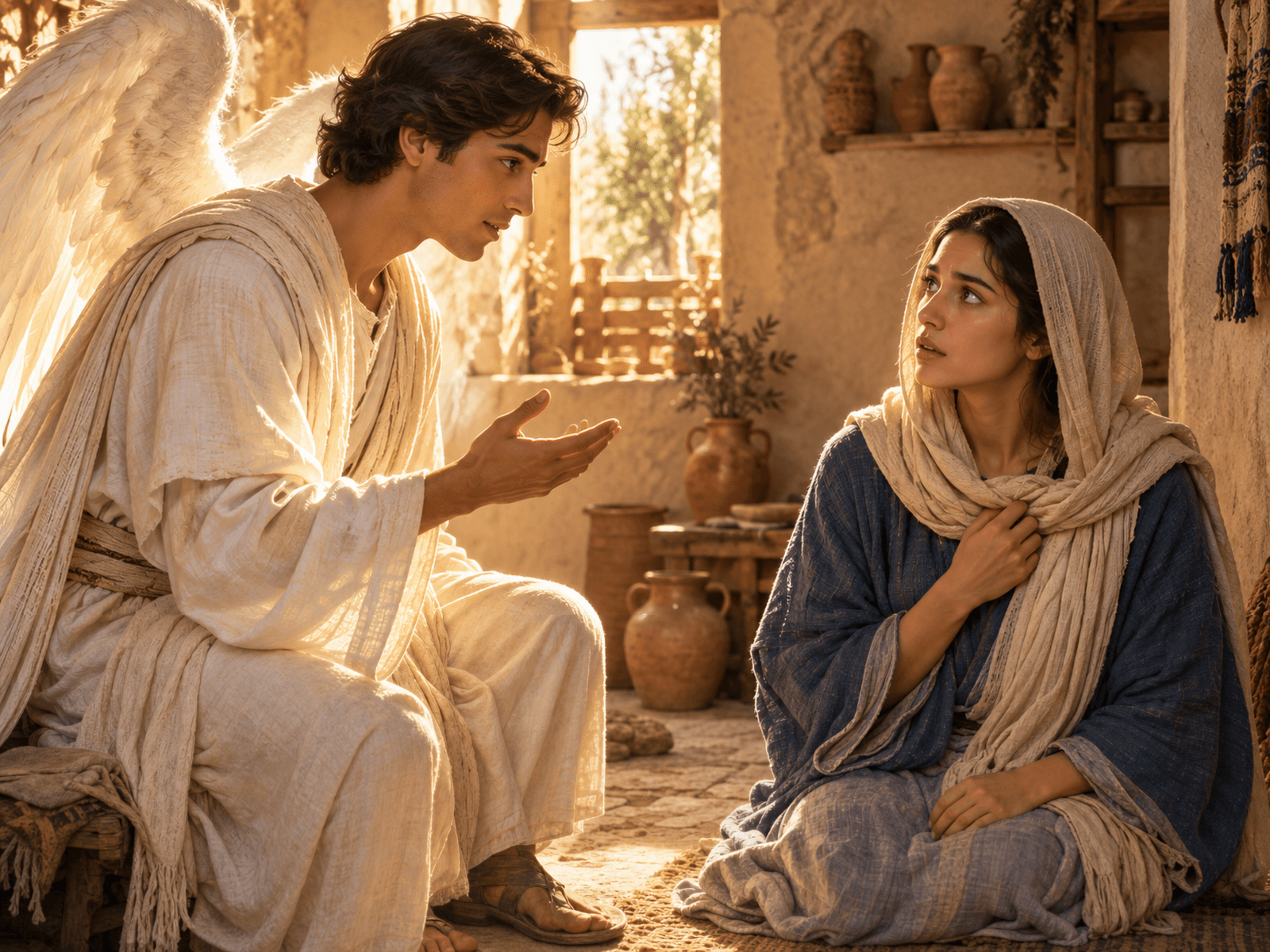
Illustrated scene from Jesus's story: An Angel Visits Mary (Luke 1:26–38)
Meet the people of the Bible
Follow their lives in order, with illustrated scenes and Bible passages that tell their stories.
 Jesus

Photo: Photochrom print, Library of Congress Prints and Photographs Division (LCCN 2002725045). License: Public domain in the United States; Library of Congress states no known restrictions on publication. Source. Location: Nazareth, Israel; print preserved by the Library of Congress. Resized for the web.
Explore the places of the Bible
See where biblical events happened, why each place matters, and what archaeology helps us understand.
Nazareth
The small town in Galilee where Jesus grew up.
Get full access with one subscription
Explore the people and places of the Bible. Read summaries of every book, with images and clear explanations covering every chapter. Access all these features and our Bible study tools with one subscription.
See PlansAsk AI about Romans 7:19
Ask a question about this verse and get a clear answer, with Bible references you can read for yourself.
Every Bible book, explained chapter by chapter
Explore summaries of every book of the Bible, with images and easy-to-understand explanations covering every chapter.
Keep studying Romans 7:19
Related Bible verses
Key themes
Related topics
At a Glance — the Book of Romans
- Author
- Paul the apostle
- Written
- Around AD 57
- Genre
- Letter (epistle)
- Original Audience
- Christians in Rome
Frequently Asked Questions
Quick, clear answers about this verse
What does Romans 7:19 mean?
Romans 7:19 expresses the struggle between wanting to do good and actually doing the opposite. Paul highlights the inner conflict many people face when their intentions do not match their actions.
What is the meaning of the phrase 'the good that I want to do' in Romans 7:19?
The phrase 'the good that I want to do' refers to the positive actions and behaviors that Paul desires to pursue, reflecting his moral intentions and aspirations.
How does Romans 7:19 relate to personal struggles?
Romans 7:19 relates to personal struggles by acknowledging that everyone faces challenges in aligning their actions with their values, highlighting the commonality of feeling guilt or frustration over one's shortcomings.
What themes are present in Romans 7:19?
Key themes in Romans 7:19 include inner conflict, the desire for good, moral failure, the need for grace, and the importance of self-awareness in personal transformation.
Daily Verse — straight to your inbox
A verse and a 2-sentence plain-English explanation, every morning. Free. Unsubscribe anytime.