New Testament
Romans 5:20
Read the Bible in clear, modern English—easy to understand, faithful to the meaning, and written for everyday readers.
Moreover the law came in so that the offense would increase. But where sin increased, grace overflowed all the more,
Compare translations
Moreover the law entered, that the offence might abound. But where sin abounded, grace did much more abound:
What Romans 5:20 means
Plain-English insight for readers
In this verse, Paul explains that the introduction of the law highlighted human sinfulness. The law made people more aware of their wrongdoings, which in turn led to an increase in sin. However, he emphasizes that God's grace is even greater than the increase in sin. No matter how much sin there is, God's grace is more than sufficient to cover it. This means that while the law reveals our shortcomings, it also points us to the overwhelming grace available through Jesus Christ. The message is one of hope, showing that God's love and forgiveness can surpass any wrongdoing. This verse reassures believers that they are not defined by their sins but by the grace that God offers abundantly, encouraging them to rely on that grace in their daily lives.
How to apply Romans 5:20 to your life
This verse encourages us to acknowledge our sins without despair, knowing that God's grace is greater. When we stumble, we should turn to God for forgiveness and strength, trusting that His grace can transform our lives and help us overcome our shortcomings.
Curated for this public verse page. Romans Summary
Explore more of the Bible
Learn the Bible through its people and places
Get to know the people in Scripture through illustrated stories, and explore the places where they lived and traveled.
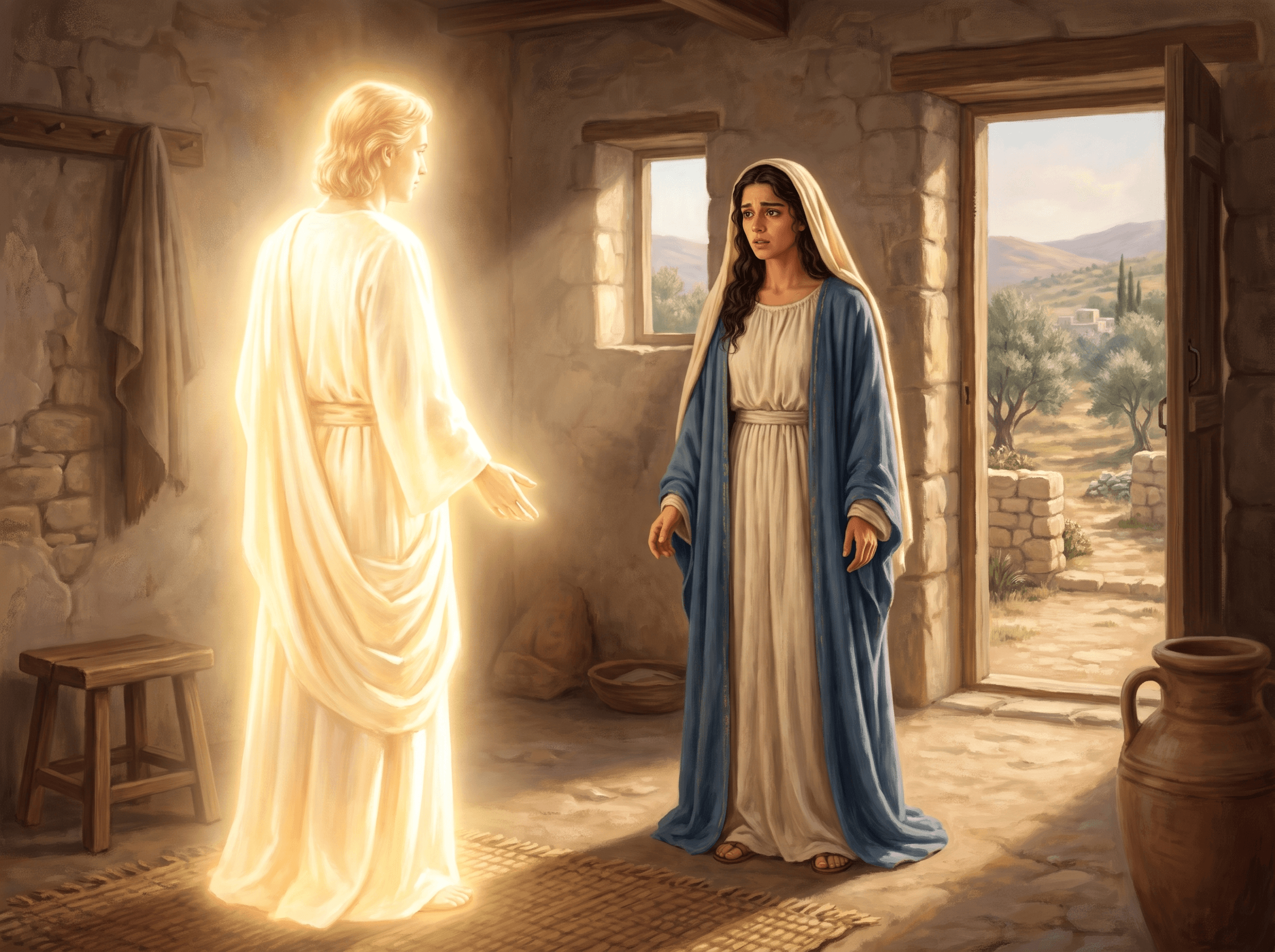
Illustrated scene from Mary, Jesus' mother's story: An Angel Visits Mary (Luke 1:26–38)
Meet the people of the Bible
Follow their lives in order, with illustrated scenes and Bible passages that tell their stories.
 Mary, Jesus' mother

Photo: Gary Todd (Gary Lee Todd, Ph.D.), via Wikimedia Commons. License: CC0 1.0 Universal Public Domain Dedication. Source. Location: Southern end of the Temple Mount, Jerusalem Old City. Resized for the web.
Explore the places of the Bible
See where biblical events happened, why each place matters, and what archaeology helps us understand.
Jerusalem
David's capital, the city of the temple, and the place where Jesus died and rose again.
Get full access with one subscription
Explore the people and places of the Bible. Read summaries of every book, with images and clear explanations covering every chapter. Access all these features and our Bible study tools with one subscription.
See PlansAsk AI about Romans 5:20
Ask a question about this verse and get a clear answer, with Bible references you can read for yourself.
Every Bible book, explained chapter by chapter
Explore summaries of every book of the Bible, with images and easy-to-understand explanations covering every chapter.
Keep studying Romans 5:20
Related Bible verses
Key themes
Related topics
At a Glance — the Book of Romans
- Author
- Paul the apostle
- Written
- Around AD 57
- Genre
- Letter (epistle)
- Original Audience
- Christians in Rome
Frequently Asked Questions
Quick, clear answers about this verse
What does Romans 5:20 mean by 'the law came in'?
In Romans 5:20, 'the law came in' refers to the introduction of the Mosaic Law, which was given to the Israelites. This law served to define sin and highlight human shortcomings. By establishing clear guidelines of right and wrong, the law made people more aware of their sinful nature, leading to an increase in the recognition of sinfulness. Paul emphasizes that while the law reveals our faults, it also sets the stage for understanding the depth of God's grace.
How does grace overflow where sin increases according to Romans 5:20?
Romans 5:20 teaches that as sin increases, God's grace abounds even more. This means that no matter how much sin exists, God's grace is more than sufficient to cover it. The verse reassures believers that God's love and forgiveness are greater than any wrongdoing. It highlights the idea that God's grace is not limited or conditional; it is abundant and available to all who seek it, offering hope and redemption regardless of past sins.
What is the relationship between law and grace in Romans 5:20?
The relationship between law and grace in Romans 5:20 is one of contrast and complement. The law reveals sin and shows humanity's inability to achieve righteousness on their own. However, grace is presented as the solution to that problem. While the law highlights our failures, grace offers forgiveness and restoration through Jesus Christ. This dynamic illustrates that the law serves a purpose in pointing out sin, but it is God's grace that ultimately provides hope and salvation.
How can I apply Romans 5:20 to my life?
To apply Romans 5:20 in your life, acknowledge your shortcomings without falling into despair. Understand that while the law reveals your sins, God's grace is always greater. When you stumble or feel overwhelmed by guilt, turn to God for forgiveness and strength. Trust that His grace can transform your life and help you overcome challenges. This verse encourages you to rely on God's abundant grace daily, reminding you that you are defined by His love and not by your failures.
Daily Verse — straight to your inbox
A verse and a 2-sentence plain-English explanation, every morning. Free. Unsubscribe anytime.