Old Testament
Ruth 1:21
Read the Bible in clear, modern English—easy to understand, faithful to the meaning, and written for everyday readers.
I went out full, and the LORD has brought me back empty. Why call me Naomi, since the LORD has testified against me and the Almighty has afflicted me?
Compare translations
I went out full, and the LORD hath brought me home again empty: why then call ye me Naomi, seeing the LORD hath testified against me, and the Almighty hath afflicted me?
What Ruth 1:21 means
Plain-English insight for readers
In this verse, Naomi reflects on her return to Bethlehem after experiencing great loss. She left her homeland with her family, feeling fulfilled and hopeful, but now she returns alone and empty, having lost her husband and sons. Naomi feels that God has turned against her, leading to her suffering. The name 'Naomi' means 'pleasant,' but she questions why she should be called that when her life has been filled with bitterness and sorrow. This moment captures her deep sense of grief and loss, as she grapples with her identity and the perceived judgment of God. Naomi's honesty about her pain highlights the struggle many face when dealing with hardship and loss, questioning their circumstances and the divine purpose behind them. Her story serves as a reminder of the complexities of faith, loss, and the search for hope amidst despair.
How to apply Ruth 1:21 to your life
When facing difficult times, it's important to express our feelings honestly, just as Naomi did. Acknowledging our pain can lead to healing and understanding. We can also find comfort in community and support, reminding ourselves that we are not alone in our struggles.
Curated for this public verse page. Ruth Summary
Learn the Bible through its people and places
Get to know the people in Scripture through illustrated stories, and explore the places where they lived and traveled.

Illustrated scene from Ruth's story: Home to Bethlehem (Ruth 1:19–22)
Meet the people of the Bible
Follow their lives in order, with illustrated scenes and Bible passages that tell their stories.
 Ruth
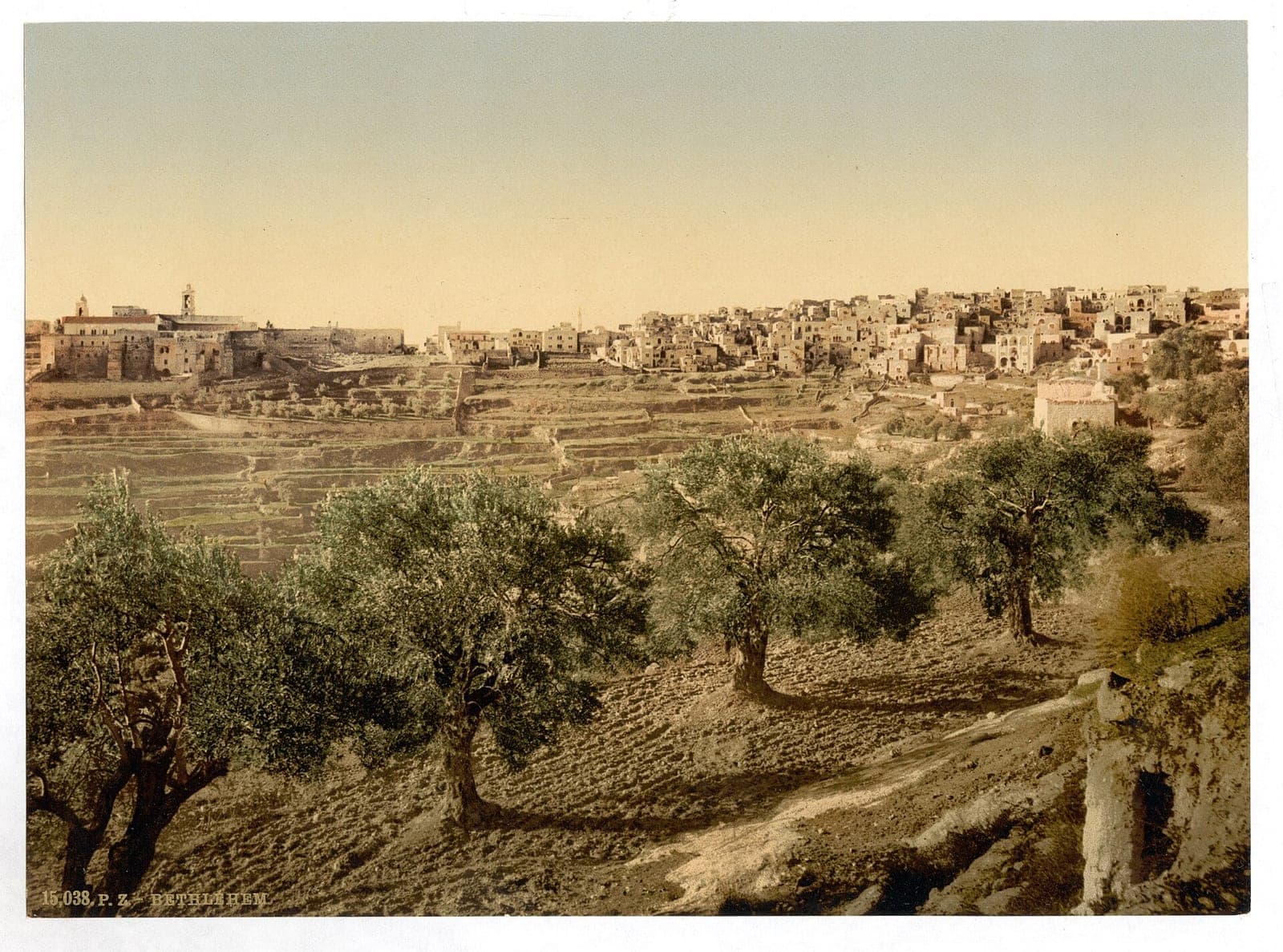
Photo: Photochrom print, Library of Congress Prints and Photographs Division (LCCN 2002724966). License: Public domain in the United States; Library of Congress states no known restrictions on publication. Source. Location: Bethlehem, West Bank; print preserved by the Library of Congress. Resized for the web.
Explore the places of the Bible
See where biblical events happened, why each place matters, and what archaeology helps us understand.
Bethlehem
David's hometown, and the town where Jesus was born.
Get full access with one subscription
Explore the people and places of the Bible. Read summaries of every book, with images and clear explanations covering every chapter. Access all these features and our Bible study tools with one subscription.
See PlansAsk AI about Ruth 1:21
Ask a question about this verse and get a clear answer, with Bible references you can read for yourself.
Every Bible book, explained chapter by chapter
Explore summaries of every book of the Bible, with images and easy-to-understand explanations covering every chapter.
Keep studying Ruth 1:21
Related Bible verses
At a Glance — the Book of Ruth
- Author
- Author unknown; traditionally Samuel
- Written
- Around 1050 BC
- Genre
- Historical narrative
- Original Audience
- The Israelites of the early monarchy
Frequently Asked Questions
Quick, clear answers about this verse
What does Ruth 1:21 mean?
Ruth 1:21 reflects Naomi's feelings of emptiness and loss upon returning to Bethlehem after the death of her husband and sons. She expresses her sorrow and questions her identity, feeling that God has turned against her.
What is the significance of Naomi's name in Ruth 1:21?
Naomi's name means 'pleasant,' but in Ruth 1:21, she feels her life is filled with bitterness and sorrow. She questions why she should be called pleasant when she has experienced such profound loss.
What emotions does Naomi express in Ruth 1:21?
In Ruth 1:21, Naomi expresses deep grief, emptiness, and a sense of divine judgment. She feels afflicted and questions her circumstances, highlighting her struggle with identity and faith.
How does Ruth 1:21 relate to themes of loss and grief?
Ruth 1:21 encapsulates the themes of loss and grief by showing Naomi's return home after losing her family. Her honest expression of pain illustrates the emotional turmoil that often accompanies such experiences.
Daily Verse — straight to your inbox
A verse and a 2-sentence plain-English explanation, every morning. Free. Unsubscribe anytime.