Old Testament
Zephaniah 3:7
Read the Bible in clear, modern English—easy to understand, faithful to the meaning, and written for everyday readers.
I thought, 'Surely they will fear me and accept correction.' Then their dwelling would not be cut off, no matter how I punished them. But they rose early and corrupted all their actions.
Compare translations
I said, Surely thou wilt fear me, thou wilt receive instruction; so their dwelling should not be cut off, howsoever I punished them: but they rose early, and corrupted all their doings.
What Zephaniah 3:7 means
Plain-English insight for readers
In this verse, God expresses disappointment over the people's failure to learn from their mistakes. He had hoped they would fear Him and accept His guidance, which would lead to their protection and stability. Instead, they continued to act corruptly, ignoring the lessons meant to correct their behavior. This highlights the importance of heeding divine instruction and the consequences of persistent disobedience. God’s desire was for them to change their ways and avoid destruction, but their refusal to listen led to their downfall. The verse serves as a reminder that accepting correction is vital for growth and safety, and that ignoring wise counsel can lead to dire consequences.
How to apply Zephaniah 3:7 to your life
This verse encourages us to be open to correction and guidance in our lives. By recognizing our mistakes and learning from them, we can avoid negative consequences. It reminds us to seek wisdom and instruction, fostering a relationship with God that leads to growth and stability.
Curated for this public verse page. Zephaniah Summary
Explore more of the Bible
Learn the Bible through its people and places
Get to know the people in Scripture through illustrated stories, and explore the places where they lived and traveled.

Illustrated scene from Noah's story: Noah Is Born (Genesis 5:28–32)
Meet the people of the Bible
Follow their lives in order, with illustrated scenes and Bible passages that tell their stories.
 Noah
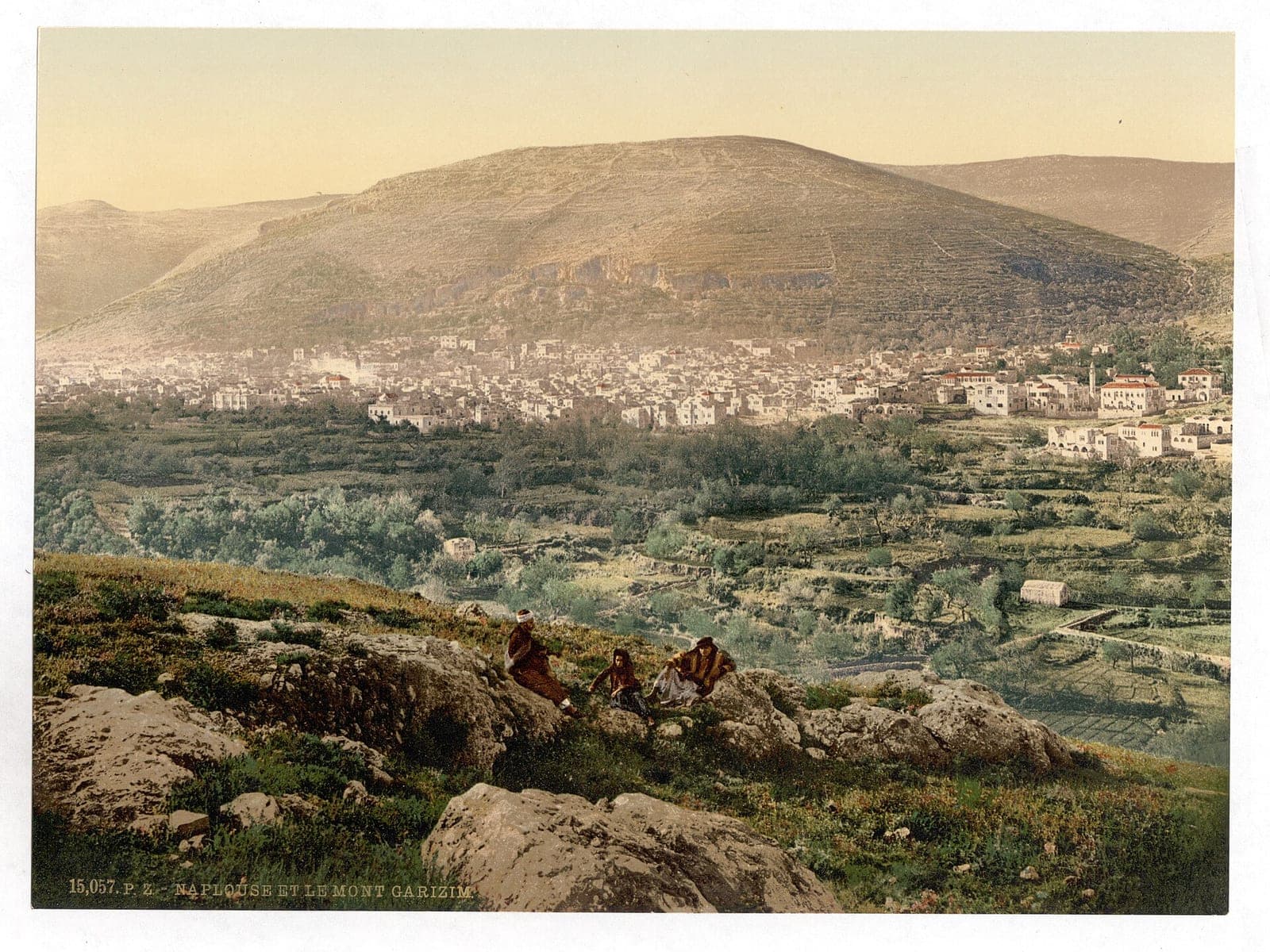
Photo: Photochrom print, Library of Congress Prints and Photographs Division (LCCN 2002725043). License: Public domain in the United States; Library of Congress states no known restrictions on publication. Source. Location: Nablus and Mount Gerizim, West Bank; print preserved by the Library of Congress. Resized for the web.
Explore the places of the Bible
See where biblical events happened, why each place matters, and what archaeology helps us understand.
Shechem
Where God promised the land to Abram, and where Joshua led Israel to renew the covenant.
Get full access with one subscription
Explore the people and places of the Bible. Read summaries of every book, with images and clear explanations covering every chapter. Access all these features and our Bible study tools with one subscription.
See PlansAsk AI about Zephaniah 3:7
Ask a question about this verse and get a clear answer, with Bible references you can read for yourself.
Every Bible book, explained chapter by chapter
Explore summaries of every book of the Bible, with images and easy-to-understand explanations covering every chapter.
Keep studying Zephaniah 3:7
Related Bible verses
Key themes
Related topics
At a Glance — the Book of Zephaniah
- Author
- Zephaniah the prophet
- Written
- Around 630 BC
- Genre
- Prophecy
- Original Audience
- The kingdom of Judah
Frequently Asked Questions
Quick, clear answers about this verse
What does Zephaniah 3:7 mean?
Zephaniah 3:7 expresses God's disappointment in the people's refusal to learn from their mistakes. He hoped they would fear Him and accept His guidance, which would lead to their protection, but instead, they continued to act corruptly.
What is the meaning of 'corrupted all their actions' in Zephaniah 3:7?
The phrase 'corrupted all their actions' indicates that the people consistently chose to engage in wrongdoing despite opportunities for correction. It highlights their persistent disobedience and refusal to follow God's instruction.
How does Zephaniah 3:7 relate to divine correction?
Zephaniah 3:7 emphasizes the role of divine correction in guiding people towards better behavior. It shows that accepting God's guidance can lead to stability and protection, while rejecting it results in corruption and potential downfall.
What lessons can we learn from Zephaniah 3:7?
From Zephaniah 3:7, we learn the importance of being open to correction and guidance. It teaches that recognizing and learning from our mistakes can help us avoid negative consequences and foster a stronger relationship with God.
Daily Verse — straight to your inbox
A verse and a 2-sentence plain-English explanation, every morning. Free. Unsubscribe anytime.