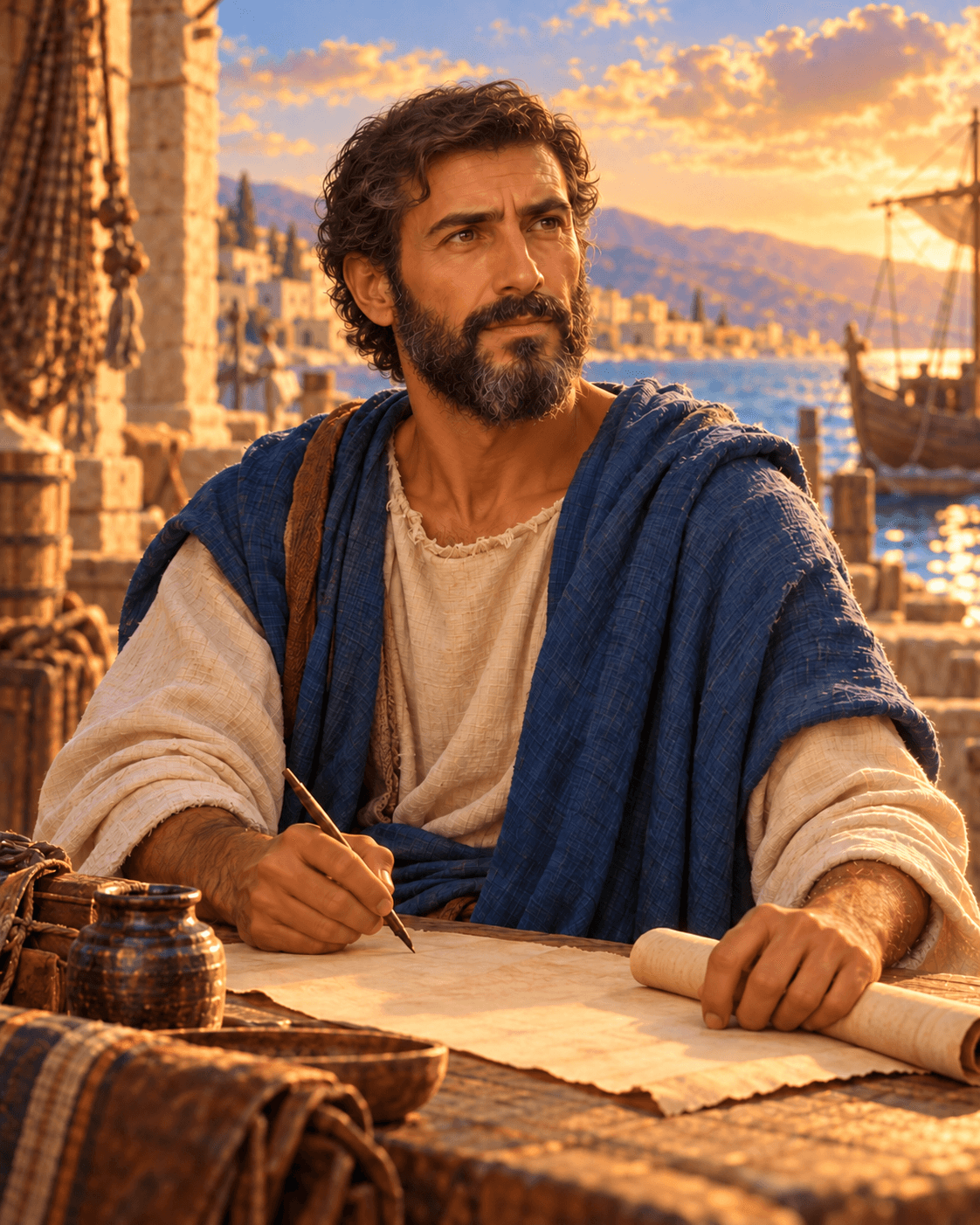
Paul
Paul, first called Saul, fought against the followers of Jesus until Jesus stopped him on the road to Damascus. The book of Acts tells his story, and 13 letters in the New Testament begin with his name.
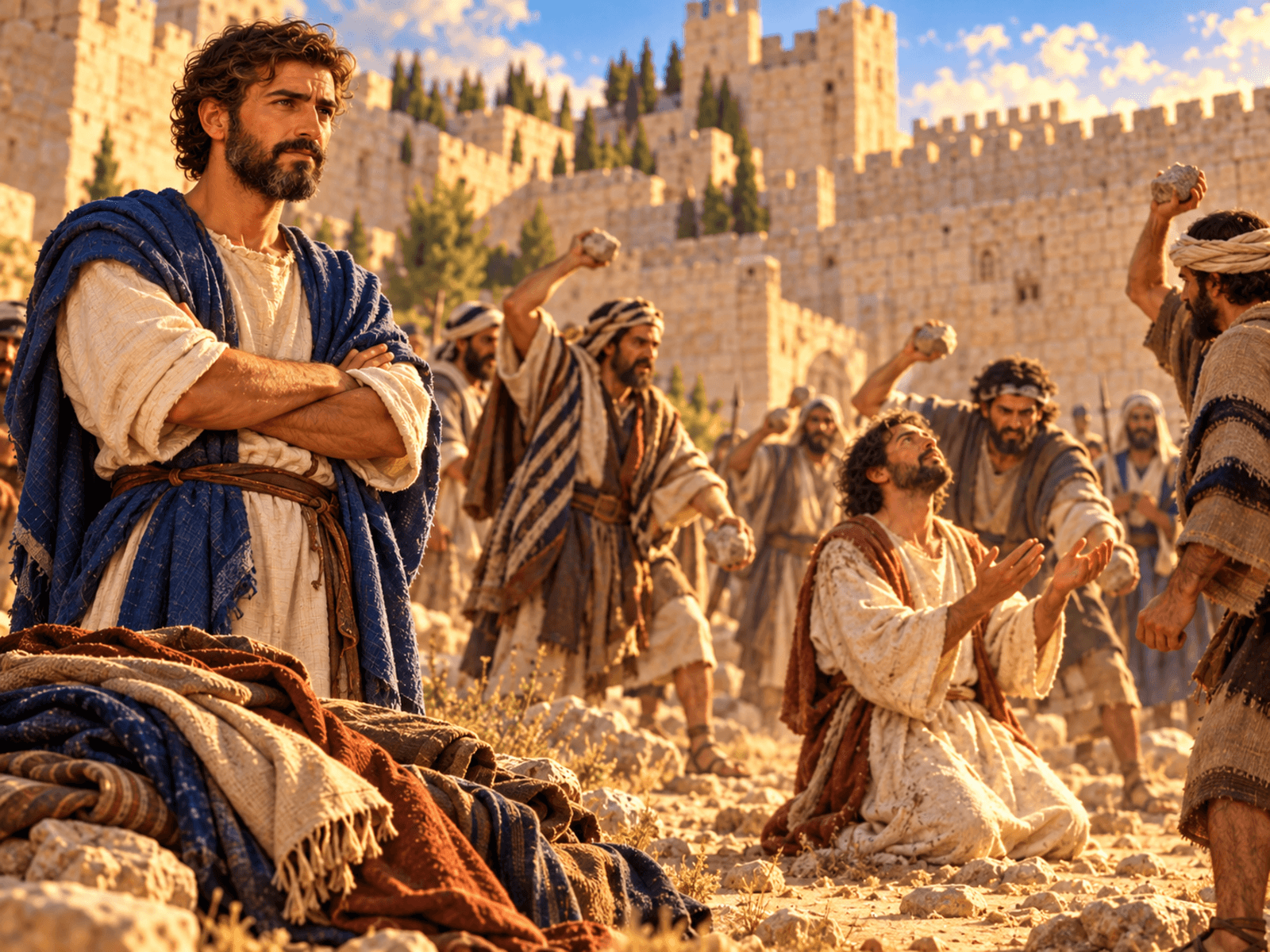
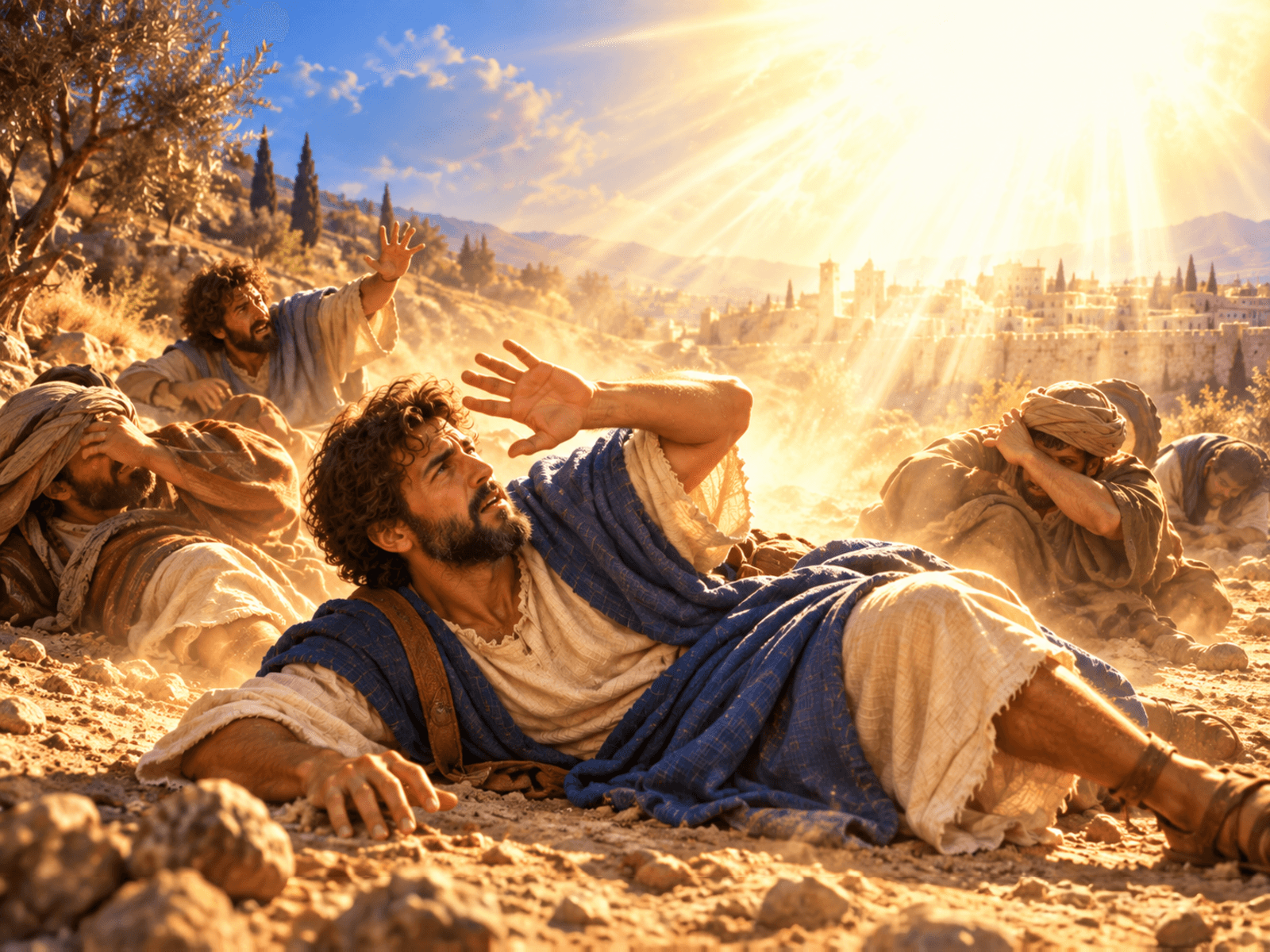
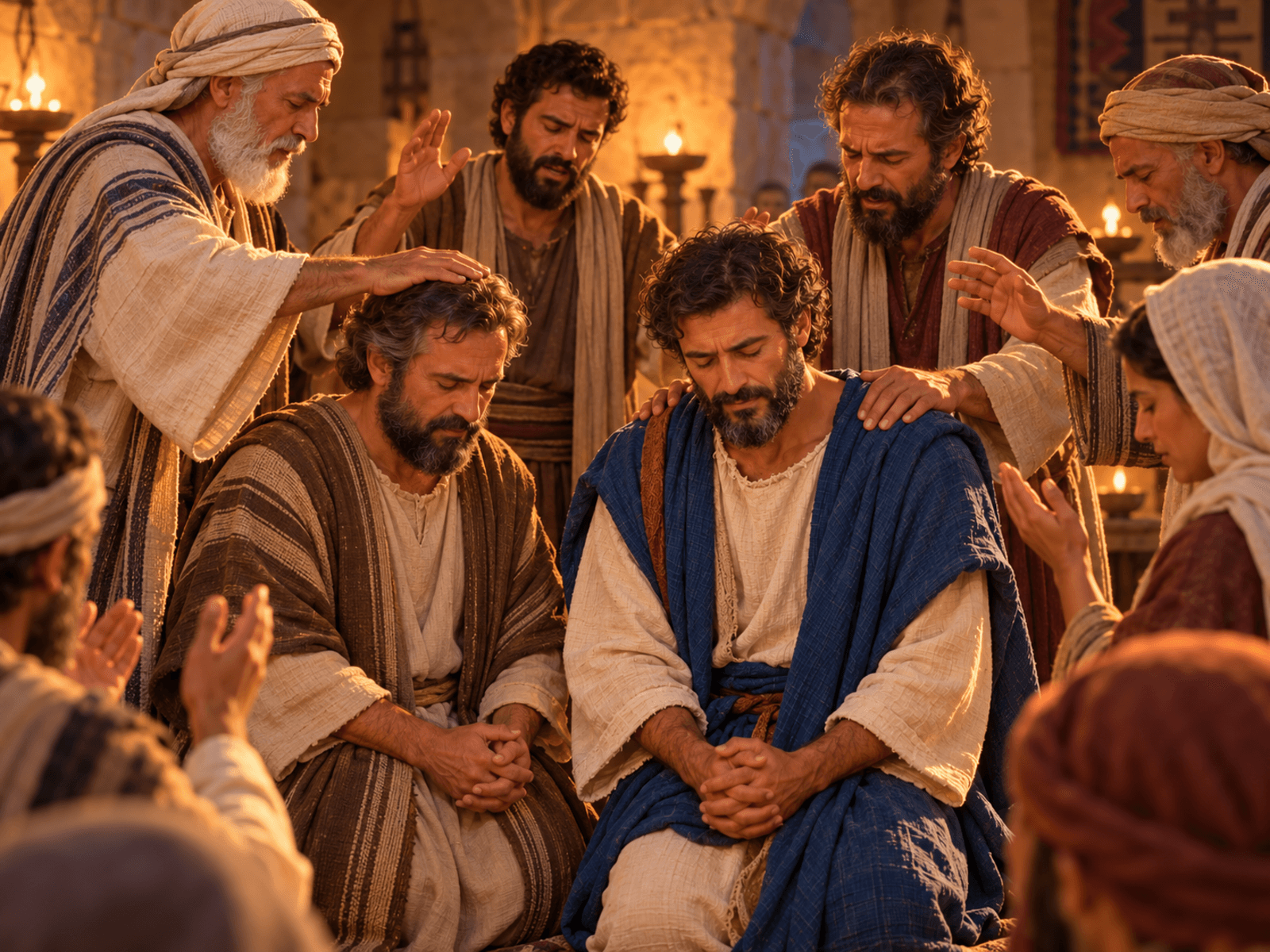
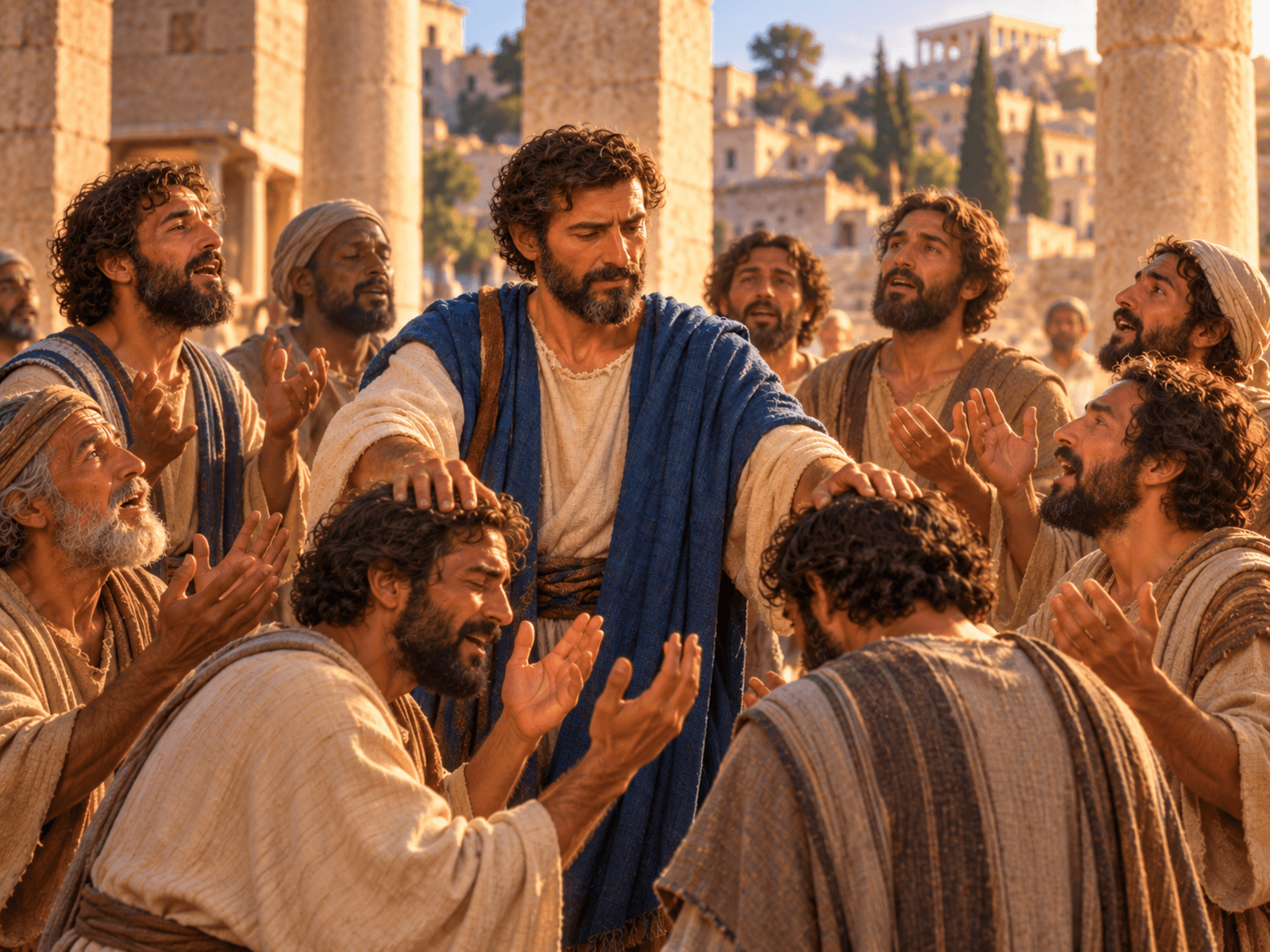
Saul was a Jew from Tarsus, of the tribe of Benjamin, trained as a Pharisee. He approved of the stoning of Stephen and went from house to house dragging believers off to prison. On the road to Damascus, a light from heaven flashed around him, and Jesus spoke to him. Blinded, he was led into the city, where a disciple named Ananias laid hands on him and he could see again.
Saul, also called Paul, began to preach that Jesus is the Son of God. With Barnabas, and later with Silas and Timothy, he carried the good news across Cyprus, the cities of what is now Turkey, and Greece. He started churches in places like Philippi, Thessalonica and Corinth, and he wrote letters to guide them. He was beaten, stoned, jailed and shipwrecked along the way.
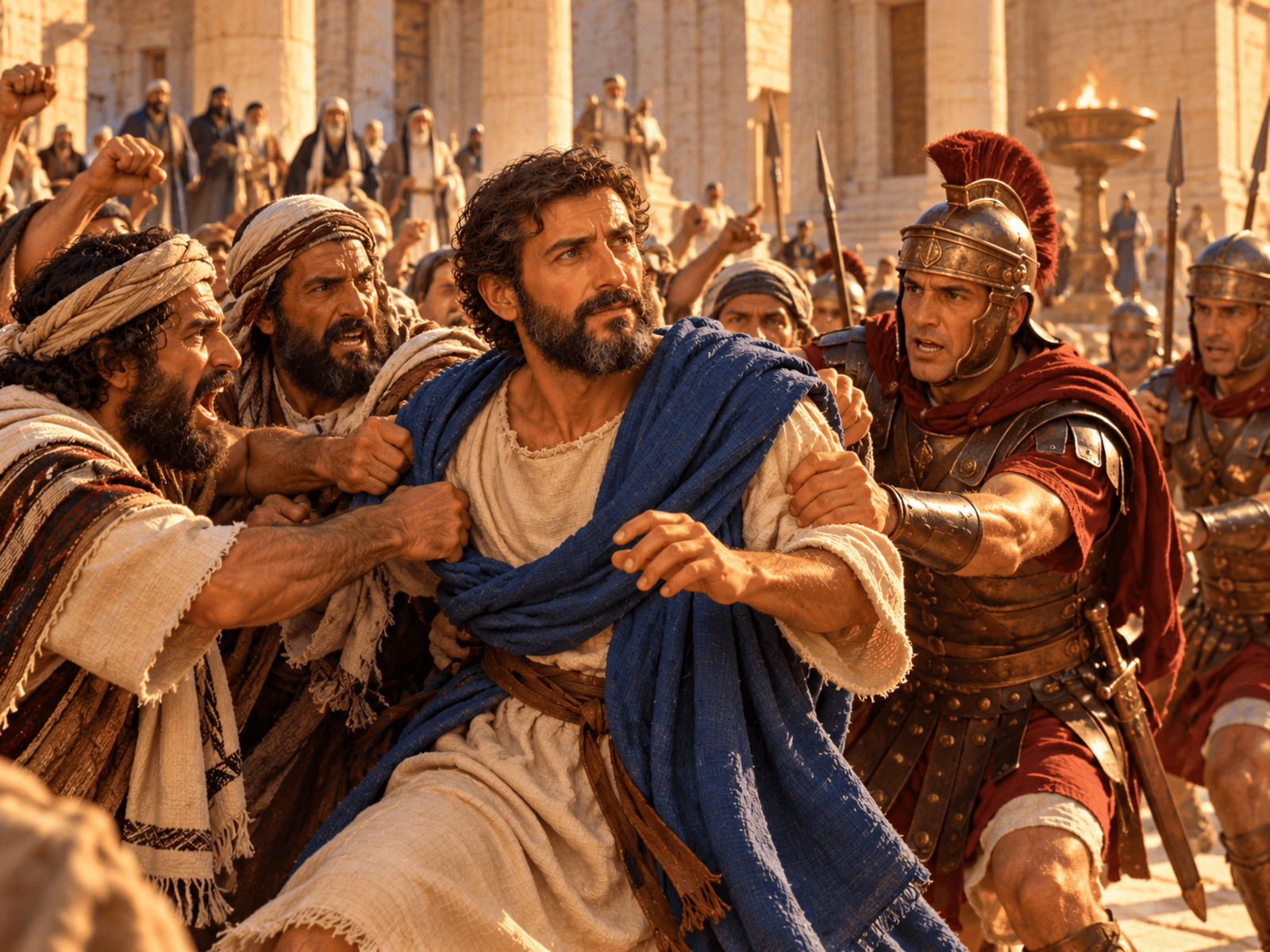
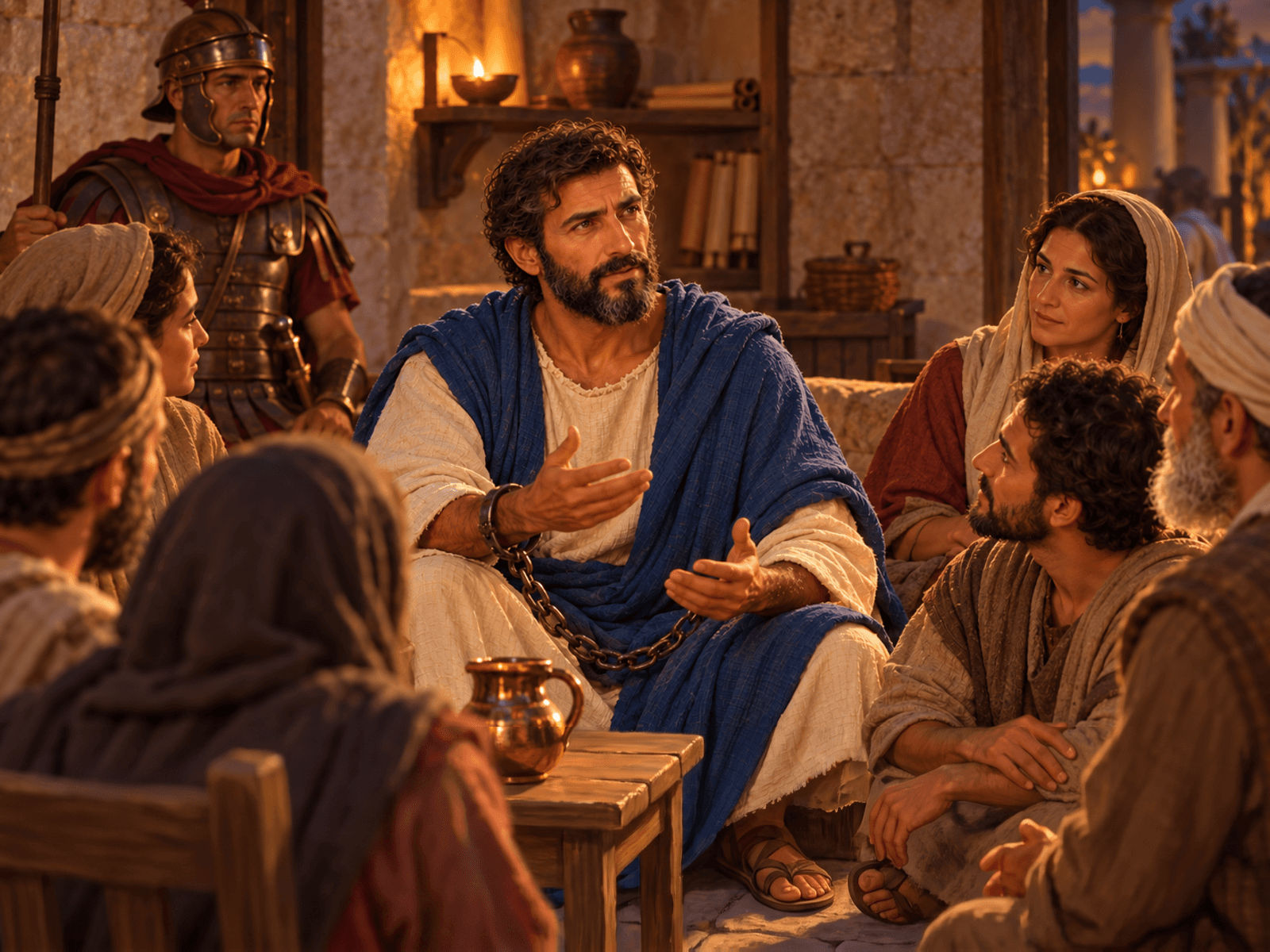
Paul was arrested in the temple in Jerusalem and held for years. He appealed to Caesar, and he was sent to Rome as a prisoner. Acts ends with him there, preaching the kingdom of God boldly for two years. When he believed his death was near, he wrote, “I have fought the good fight, I have finished the race, I have kept the faith” (2 Timothy 4:7).
Paul's Story
Follow his life from the stoning of Stephen to his last years in Rome. Read each event in Scripture, and see how it all fits together.
- Part 1 · 2 eventsSaul the PersecutorSaul approves of Stephen's death and tries to destroy the church.
- Part 2 · 5 eventsCalled by JesusJesus stops Saul on the road to Damascus, and Saul begins to preach the faith he fought.
- Part 3 · 5 eventsThe First JourneyBarnabas and Saul are sent out from Antioch to Cyprus and to cities in what is now Turkey.
- Part 4 · 3 eventsThe Council in JerusalemThe apostles and elders decide that Gentile believers need not be circumcised, and Paul and Barnabas part ways.
- Part 5 · 8 eventsThe Second JourneyPaul and Silas carry the good news into Macedonia and Greece: Philippi, Thessalonica, Athens and Corinth.
- Part 6 · 6 eventsThe Third JourneyPaul spends years in Ephesus, then says farewell and sets out for Jerusalem.
- Part 7 · 7 eventsArrested and on TrialPaul is seized in the temple and speaks for his faith before crowds, councils, governors and a king.
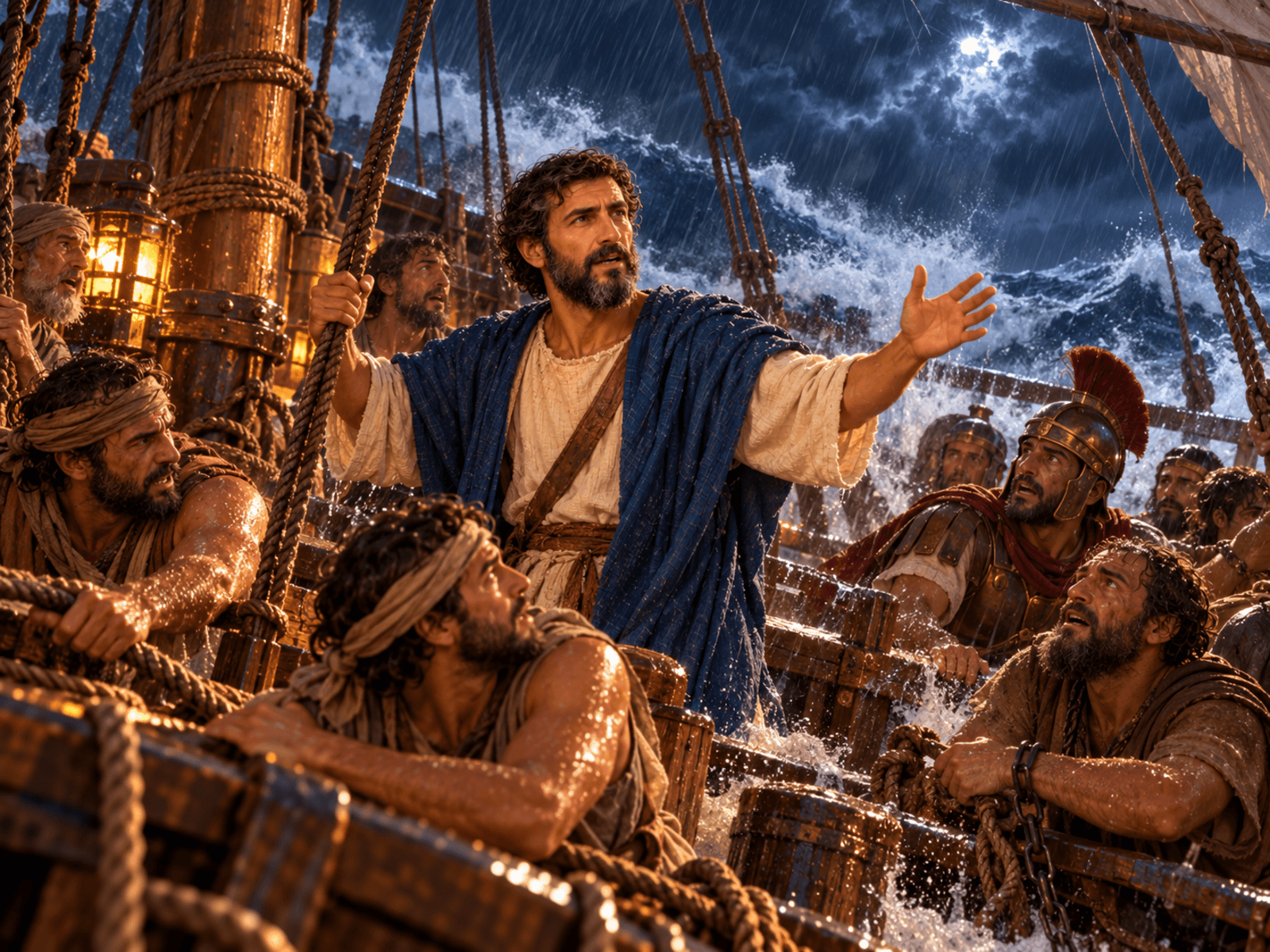
- Part 8 · 4 eventsVoyage to RomeA prisoner bound for Caesar, Paul survives a storm, a shipwreck and a snakebite.
- Part 9 · 2 eventsIn RomePaul preaches in Rome under guard, and in his last letter he writes that he has finished the race.
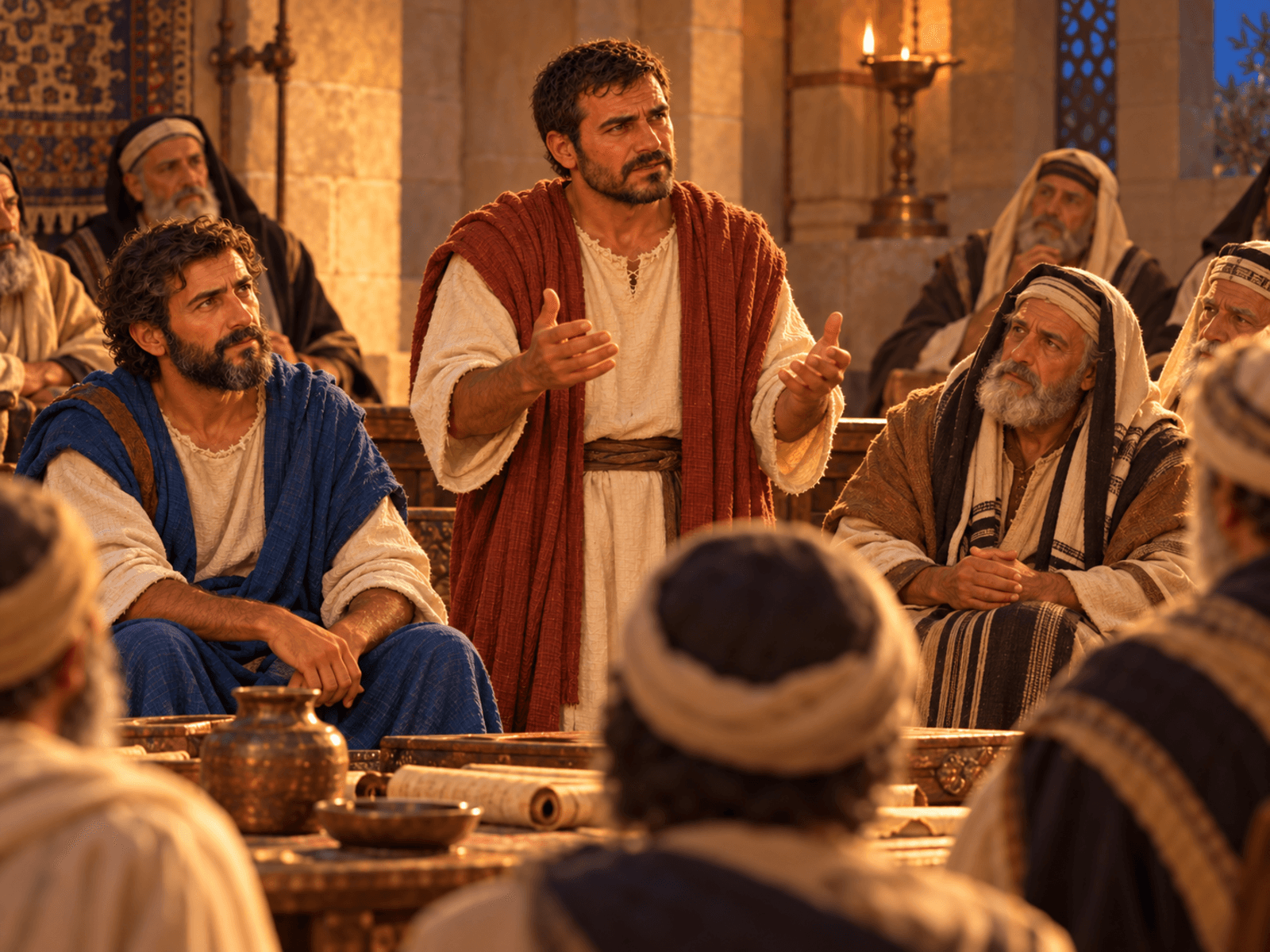
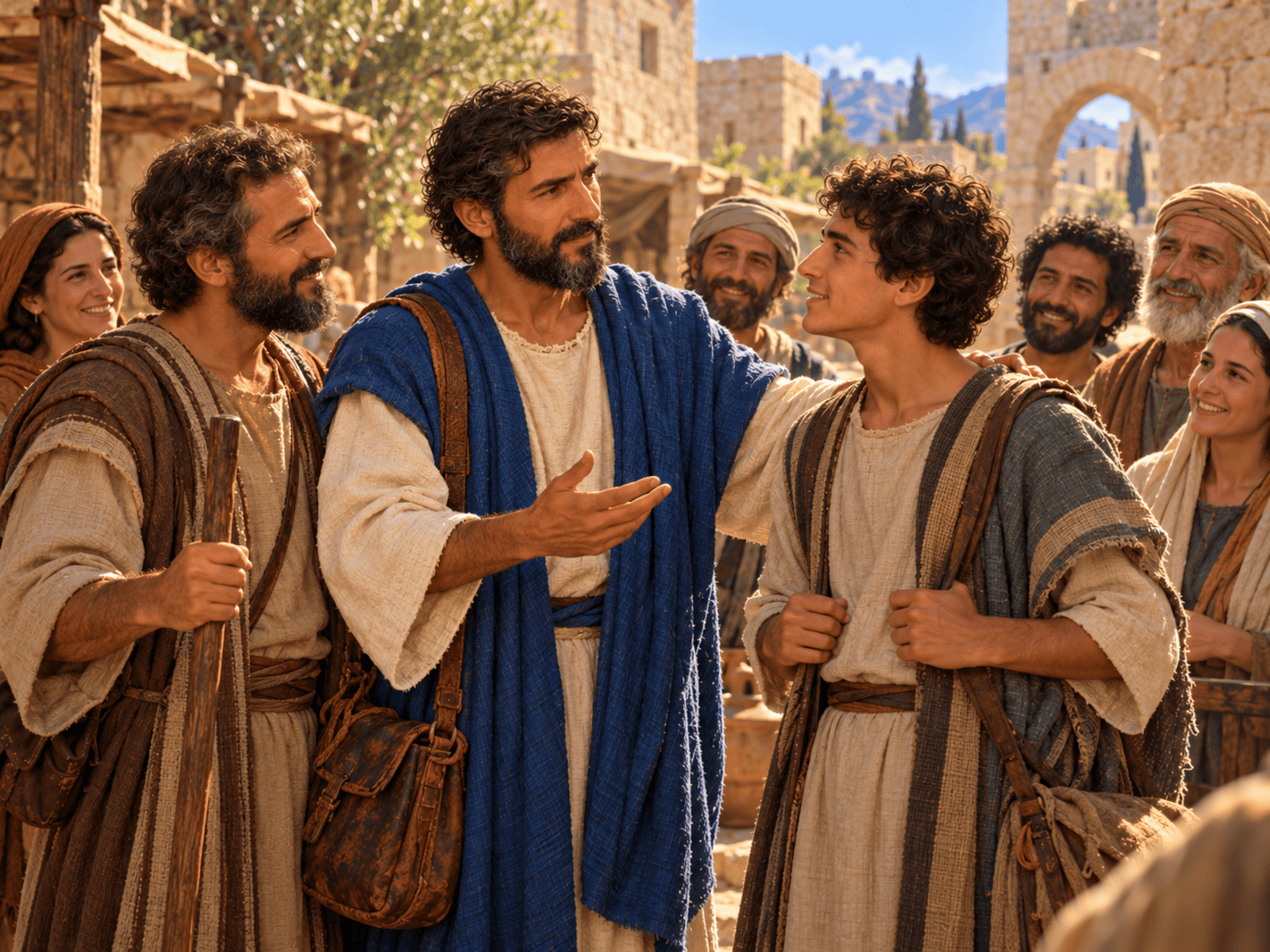
Acts tells Paul's story mostly in order, and Paul adds memories of his own in his letters, mostly in Galatians and 2 Corinthians. The Bible gives few dates, and his letters do not always say where they fit in Acts. Where the details differ, the event says so.
Key facts
Tap a reference to read the verses.
- Also called
- Saul. Acts 13:9 says he was also called Paul, and from then on Acts calls him Paul.
- Born
- Tarsus, in Cilicia
- Tribe
- Benjamin
- Background
- A Pharisee, the son of a Pharisee, taught by Gamaliel in Jerusalem
- Citizenship
- A Roman citizen from birth
- Trade
- A tentmaker, who often worked to support himself
- Family named
- A sister, whose son warned Paul of a plot to kill him
- Called to
- Carry the name of Jesus to the Gentiles (non-Jews), to kings, and to Israel
- Companions
- Barnabas, Silas, Timothy and Luke, among others
- Sufferings
- In 2 Corinthians he lists five times given 39 lashes, three times beaten with rods, once stoned, three times shipwrecked
- The shipwreck on the way to Rome (Acts 27) came after he wrote this.
- A thorn in the flesh
- He pleaded with the Lord three times to take it away, and the Lord said, “My grace is sufficient for you.”
- Paul does not say what the thorn was, and readers have many ideas.
- Letters
- 13 New Testament letters begin with his name, from Romans to Philemon
- Christians have long received all 13 as Paul's. Some scholars question whether he wrote a few of them. Hebrews does not name its writer.
- Death
- Not recorded in the Bible. In 2 Timothy he wrote that the time of his departure was near.