What Does Psalms 19:1 Mean?
Psalms 19:1 meaning: How does creation reveal God's glory and what does this teach about natural revelation?
Clear Bible Translation
Modern EnglishThe heavens declare the glory of God, and the skies proclaim the work of his hands.
King James Version
The heavens declare the glory of God; and the firmament sheweth his handywork.
Psalms in Focus
Why does creation speak when it has no voice? The Hebrew verb *saphar* (declare) typically describes storytelling or proclamation, yet here David assigns this distinctly human activity to the cosmos itself. The word *kavod* (glory) refers not merely to God's beauty but to His weighty, substantial presence—the very essence of divine reality made manifest through physical creation. Ancient Near Eastern cultures worshipped celestial bodies as deities, but David revolutionizes this worldview by presenting them as witnesses to the one true God rather than objects of veneration. The parallel term *raqia* (firmament) evokes the primordial act of creation in Genesis 1:6-8, where God separates the waters above from those below. Through *maaseh yadav* (work of His hands), the psalmist employs anthropomorphic language that emphasizes God's personal craftsmanship rather than abstract emanation. Creation becomes both testimony and testament, offering wordless yet unmistakable evidence of divine artistry that transcends linguistic and cultural barriers.
Psalm 19 opens a sophisticated theological argument divided into two movements: natural revelation (verses 1-6) and special revelation through Torah (verses 7-14). David constructs a chiastic structure where cosmic testimony frames the more detailed discussion of God's law. The psalm bridges creation theology with covenant theology, demonstrating how God reveals Himself through both universal and particular means. These opening verses establish the foundational premise that divine self-disclosure permeates the created order before the psalmist pivots to examine Scripture's more specific revelatory function.
Modern believers living in light-polluted cities can rediscover wonder by recognizing that every sunrise, storm cloud, and starfield carries divine fingerprints. Scientific discovery enhances rather than diminishes this testimony, as each new understanding of cosmic complexity amplifies the declaration of divine glory rather than silencing it.
Read the full chapter: Psalms 19 →
Scripture with Similar Themes
- Genesis 1:1 →Connects natural revelation with creation
- Genesis 1:27 →Connects natural revelation with image of God
- Romans 8:28 →Connects natural revelation with providence
Common Questions
- Who wrote Psalms 19:1 and when?
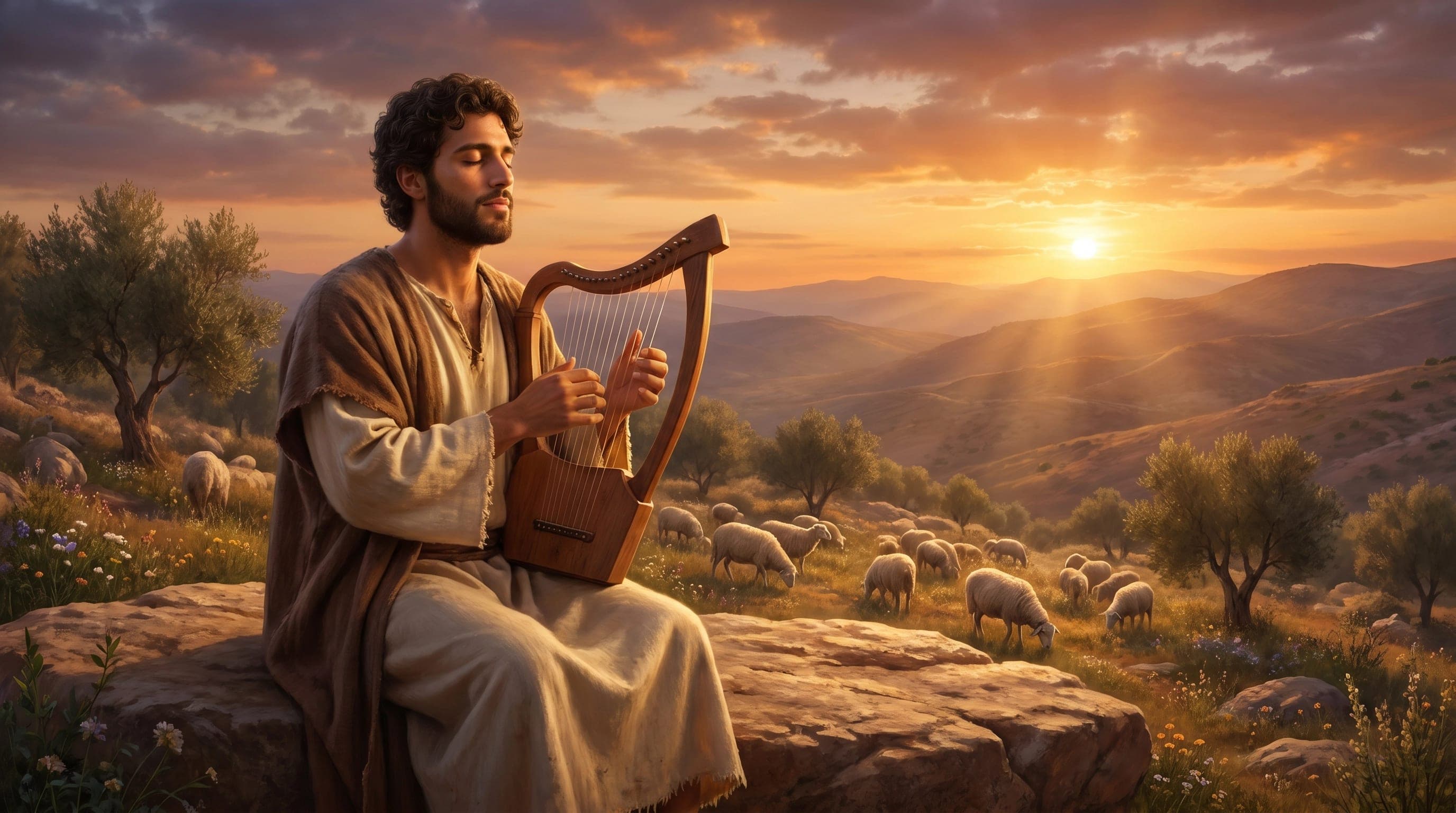
- David composed this psalm during Israel's monarchy, likely drawing from his shepherd years when prolonged exposure to night skies shaped his theological imagination.
- What themes does Psalms 19:1 address?
- The primary theme is natural revelation. Related themes include creation theology and divine glory and general revelation.
- What does the Bible say about natural revelation?
- Modern believers living in light-polluted cities can rediscover wonder by recognizing that every sunrise, storm cloud, and starfield carries divine fingerprints. Scientific discovery enhances rather than diminishes this testimony, as each new understanding of cosmic complexity amplifies the declaration of divine glory rather than silencing it.
Daily Verse — straight to your inbox
A verse and a 2-sentence plain-English explanation, every morning. Free. Unsubscribe anytime.