Old Testament
1 Chronicles 26:13
Read the Bible in clear, modern English—easy to understand, faithful to the meaning, and written for everyday readers.
They cast lots for each gate, involving both the small and the great, according to their ancestral families.
Compare translations
And they cast lots, as well the small as the great, according to the house of their fathers, for every gate.
What 1 Chronicles 26:13 means
Plain-English insight for readers
In this passage, the leaders decided how to assign responsibilities for the gates of the city. They used a method called casting lots, which was a fair way to make choices. This process included everyone, regardless of their social status, meaning both the important and the less important people had a say. Each family was represented, ensuring that the distribution of duties was equitable. This practice highlights the value of community involvement and shared responsibility. It shows that everyone has a role to play, and that decisions can be made fairly without favoritism. By including all families, they fostered unity and cooperation among the people. This approach not only organized the city but also strengthened their bonds as a community, reminding us that everyone’s contribution matters in any group effort. It’s a powerful reminder that fairness and inclusion are essential in any decision-making process, whether in a community, workplace, or family setting. Everyone deserves a voice, and together, they can achieve more.
How to apply 1 Chronicles 26:13 to your life
Consider how you can involve others in decisions that affect them. Whether at work, home, or in your community, seek input from everyone. This not only fosters a sense of belonging but also leads to better outcomes. Remember, every voice matters and contributes to the whole. Embrace collaboration in your daily life for greater harmony and effectiveness.
Curated for this public verse page. 1 Chronicles Summary
Explore more of the Bible
Learn the Bible through its people and places
Get to know the people in Scripture through illustrated stories, and explore the places where they lived and traveled.

Illustrated scene from Noah's story: Noah Is Born (Genesis 5:28–32)
Meet the people of the Bible
Follow their lives in order, with illustrated scenes and Bible passages that tell their stories.
 Noah
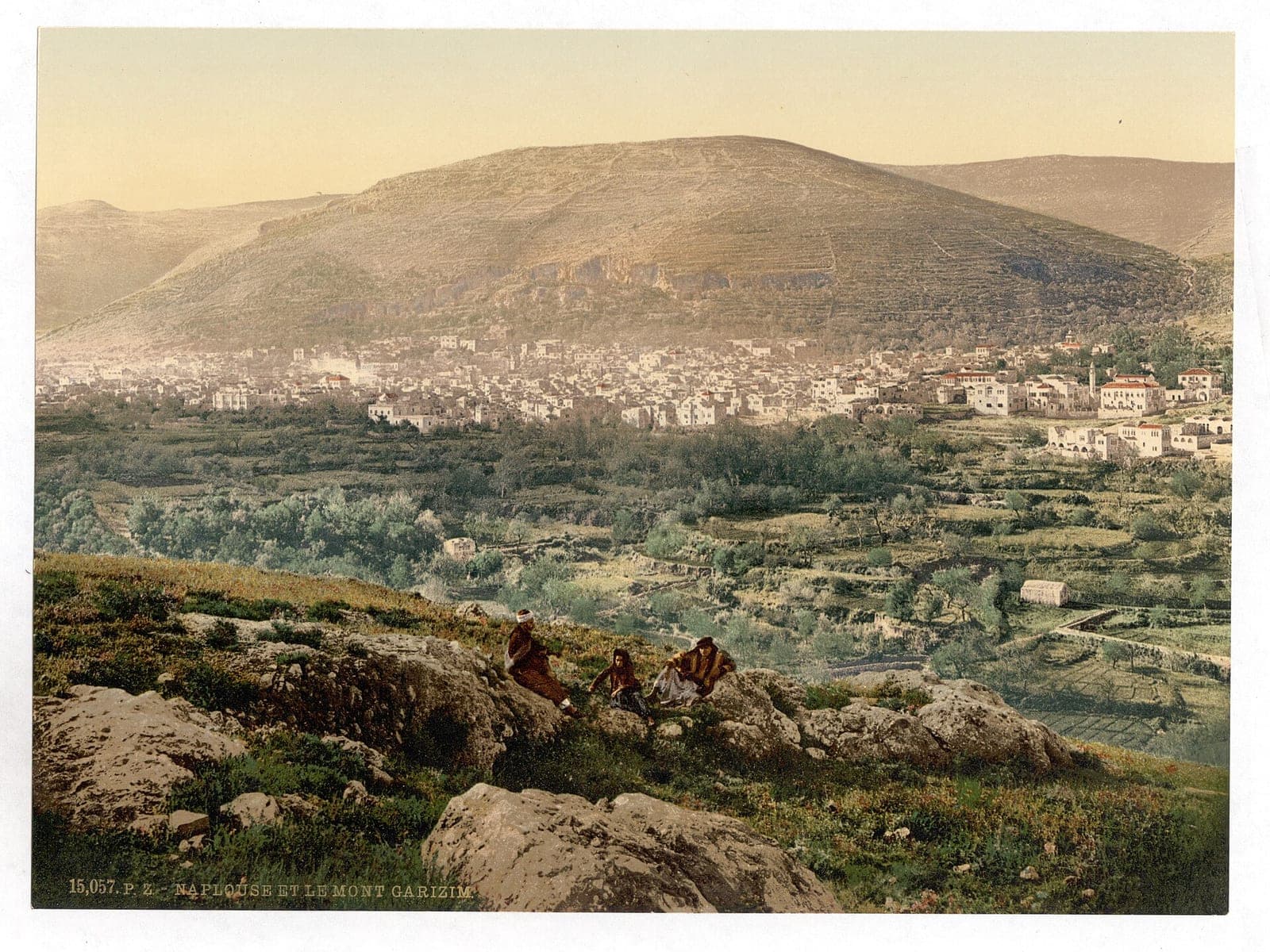
Photo: Photochrom print, Library of Congress Prints and Photographs Division (LCCN 2002725043). License: Public domain in the United States; Library of Congress states no known restrictions on publication. Source. Location: Nablus and Mount Gerizim, West Bank; print preserved by the Library of Congress. Resized for the web.
Explore the places of the Bible
See where biblical events happened, why each place matters, and what archaeology helps us understand.
Shechem
Where God promised the land to Abram, and where Joshua led Israel to renew the covenant.
Get full access with one subscription
Explore the people and places of the Bible. Read summaries of every book, with images and clear explanations covering every chapter. Access all these features and our Bible study tools with one subscription.
See PlansAsk AI about 1 Chronicles 26:13
Ask a question about this verse and get a clear answer, with Bible references you can read for yourself.
Every Bible book, explained chapter by chapter
Explore summaries of every book of the Bible, with images and easy-to-understand explanations covering every chapter.
Keep studying 1 Chronicles 26:13
Related Bible verses
Related topics
At a Glance — the Book of 1 Chronicles
- Author
- Traditionally attributed to Ezra
- Written
- Around 430 BC
- Genre
- Historical narrative
- Original Audience
- Post-exilic Jews
Frequently Asked Questions
Quick, clear answers about this verse
What does 1 Chronicles 26:13 teach about fairness?
1 Chronicles 26:13 illustrates the principle of fairness by showing how responsibilities were assigned to the gates of the city through casting lots. This method ensured that everyone, regardless of their social status, had an equal opportunity to participate in decision-making. It emphasizes that fairness is essential in community governance, as it allows for equitable distribution of duties and fosters a sense of belonging among all members.
How can we apply the lessons from this verse in modern life?
The lessons from 1 Chronicles 26:13 can be applied in modern life by involving all stakeholders in decision-making processes. Whether in a workplace, family, or community setting, seeking input from everyone ensures that diverse perspectives are considered. This approach not only enhances collaboration but also leads to more effective and accepted outcomes, reinforcing the idea that every voice matters.
What is the significance of casting lots in this context?
Casting lots in 1 Chronicles 26:13 served as a fair and impartial method for assigning responsibilities. It minimized bias and favoritism, allowing for a transparent selection process. This practice highlights the importance of equitable decision-making in community life, ensuring that all families were represented and that the distribution of duties was just and balanced.
Why is community involvement important according to this verse?
Community involvement is crucial as highlighted in 1 Chronicles 26:13 because it fosters unity and cooperation among members. By including everyone in the decision-making process, the community strengthens its bonds and ensures that all voices are heard. This collective approach not only enhances the sense of belonging but also leads to better outcomes, as diverse contributions enrich the community's efforts.
Daily Verse — straight to your inbox
A verse and a 2-sentence plain-English explanation, every morning. Free. Unsubscribe anytime.