New Testament
1 Corinthians 11:16
Read the Bible in clear, modern English—easy to understand, faithful to the meaning, and written for everyday readers.
If anyone wants to argue about this, we don't practice any other custom — and neither do any of God's churches.
Compare translations
But if any man seem to be contentious, we have no such custom, neither the churches of God.
What 1 Corinthians 11:16 means
Plain-English insight for readers
In this verse, Paul addresses a potential disagreement about customs within the church. He emphasizes that if anyone wants to argue about practices, they should know that there is no other tradition being followed. This statement reinforces unity among the churches of God, highlighting that they share the same practices. Paul is making it clear that the customs he has discussed are consistent across all congregations. This is not just a personal opinion but a collective understanding among believers. By stating this, he encourages harmony and discourages divisive arguments. The focus is on maintaining a shared identity and purpose within the community of faith. Ultimately, Paul is urging everyone to respect the established customs that promote unity and peace among believers, rather than creating unnecessary conflict over differing opinions. This call for unity is essential for the church's mission and witness in the world, reminding everyone that they are part of a larger family of faith.
How to apply 1 Corinthians 11:16 to your life
When faced with disagreements in your community, remember the importance of unity. Focus on shared values and practices that bring people together rather than divide them. Embrace the customs that promote peace and understanding among those around you. This approach can strengthen relationships and foster a supportive environment for everyone involved. Stay committed to harmony in your interactions with others, especially in challenging situations.
Curated for this public verse page. 1 Corinthians Summary
Explore more of the Bible
Learn the Bible through its people and places
Get to know the people in Scripture through illustrated stories, and explore the places where they lived and traveled.
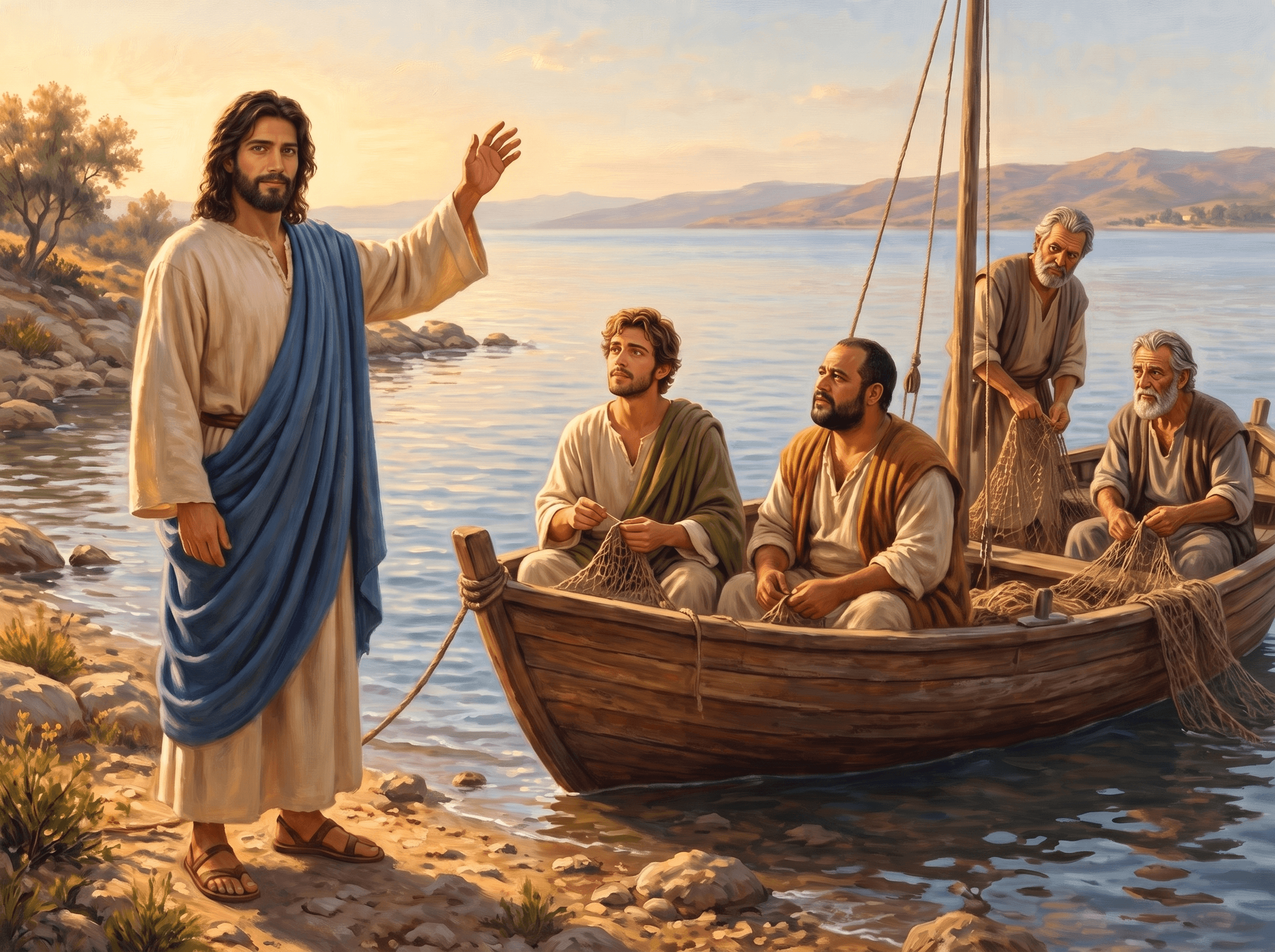
Illustrated scene from John the Apostle's story: Mending Their Nets (Mark 1:19–20)
Meet the people of the Bible
Follow their lives in order, with illustrated scenes and Bible passages that tell their stories.
 John the Apostle
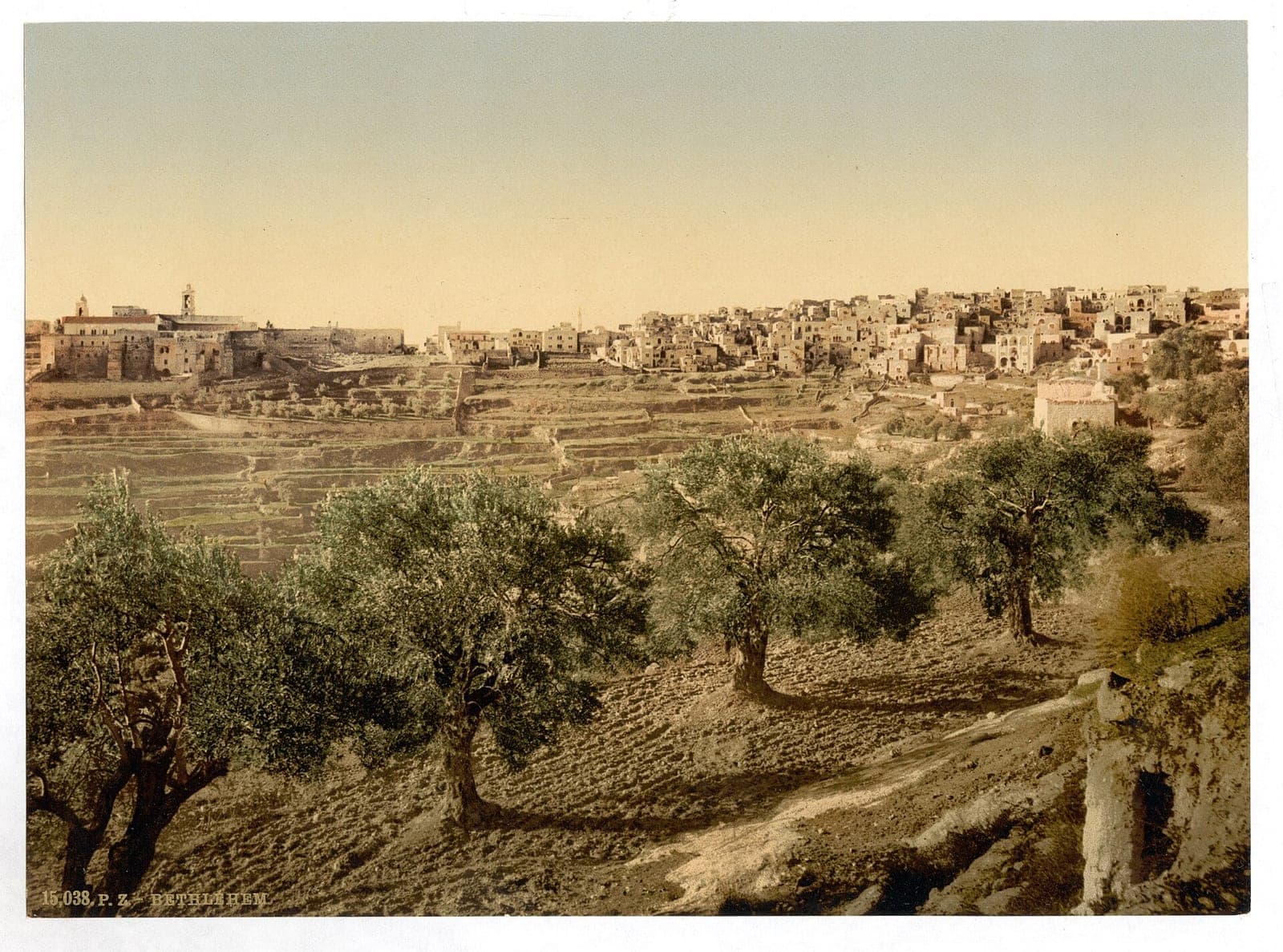
Photo: Photochrom print, Library of Congress Prints and Photographs Division (LCCN 2002724966). License: Public domain in the United States; Library of Congress states no known restrictions on publication. Source. Location: Bethlehem, West Bank; print preserved by the Library of Congress. Resized for the web.
Explore the places of the Bible
See where biblical events happened, why each place matters, and what archaeology helps us understand.
Bethlehem
David's hometown, and the town where Jesus was born.
Get full access with one subscription
Explore the people and places of the Bible. Read summaries of every book, with images and clear explanations covering every chapter. Access all these features and our Bible study tools with one subscription.
See PlansAsk AI about 1 Corinthians 11:16
Ask a question about this verse and get a clear answer, with Bible references you can read for yourself.
Every Bible book, explained chapter by chapter
Explore summaries of every book of the Bible, with images and easy-to-understand explanations covering every chapter.
Keep studying 1 Corinthians 11:16
Related Bible verses
Key themes
At a Glance — the Book of 1 Corinthians
- Author
- Paul the apostle
- Written
- Around AD 55
- Genre
- Letter (epistle)
- Original Audience
- The church in Corinth
Frequently Asked Questions
Quick, clear answers about this verse
What does 1 Corinthians 11:16 teach about church customs?
1 Corinthians 11:16 emphasizes the importance of unity in church customs. Paul states that if anyone wishes to argue about practices, they should recognize that there is no other custom being followed by the churches of God. This reinforces the idea that all congregations share the same practices, promoting harmony and discouraging divisive arguments.
How can I apply the message of 1 Corinthians 11:16 in my church?
To apply the message of 1 Corinthians 11:16 in your church, focus on fostering unity among members. Encourage discussions that highlight shared beliefs and practices rather than disagreements. Promote customs that enhance community and understanding, and remind everyone of the collective identity as part of the body of Christ, which can help maintain peace and cooperation.
What should I do if there are disagreements in my church?
If disagreements arise in your church, refer to the principles found in 1 Corinthians 11:16. Emphasize the importance of unity and shared customs. Encourage open dialogue where members can express their views while also reminding them of the common practices that bind the community together. Strive to create an environment where peace and understanding are prioritized over conflict.
Why does Paul mention customs in 1 Corinthians 11:16?
Paul mentions customs in 1 Corinthians 11:16 to address potential disputes regarding practices within the church. By stating that there are no other customs followed by God's churches, he aims to reinforce a sense of unity and collective identity among believers. This serves as a reminder that maintaining harmony is crucial for the church's mission and witness.
Daily Verse — straight to your inbox
A verse and a 2-sentence plain-English explanation, every morning. Free. Unsubscribe anytime.