New Testament
1 Corinthians 11:28
Read the Bible in clear, modern English—easy to understand, faithful to the meaning, and written for everyday readers.
Each person should examine themselves first, and then eat the bread and drink from the cup.
Compare translations
But let a man examine himself, and so let him eat of that bread, and drink of that cup.
What 1 Corinthians 11:28 means
Plain-English insight for readers
Before participating in the communion, it's important for each person to take a moment to reflect on their own life and actions. This self-examination helps ensure that you approach the bread and cup with the right mindset. It’s not just a ritual; it’s a personal moment to connect with your beliefs and values. By looking inward, you can identify any areas where you might need to make changes or seek forgiveness. This practice encourages honesty and humility, allowing you to appreciate the significance of the communion. It’s a time to remember the meaning behind the bread and cup, which symbolize a deeper relationship with your faith. Ultimately, this self-reflection prepares your heart and mind to fully engage in the experience. It’s about being sincere and intentional in your actions, making the moment truly meaningful and personal. This way, you can partake in communion with a clear conscience and a grateful heart, fostering a deeper connection with your faith and community.
How to apply 1 Corinthians 11:28 to your life
Take a few moments before communion to think about your life and relationships. Ask yourself if there are areas where you need to seek forgiveness or make amends. This practice can help you approach the communion with sincerity and a renewed sense of purpose. It’s about being honest with yourself and God, making the experience more meaningful. Remember, this is a personal journey of faith and connection with others in your community.
Curated for this public verse page. 1 Corinthians Summary
Explore more of the Bible
Learn the Bible through its people and places
Get to know the people in Scripture through illustrated stories, and explore the places where they lived and traveled.
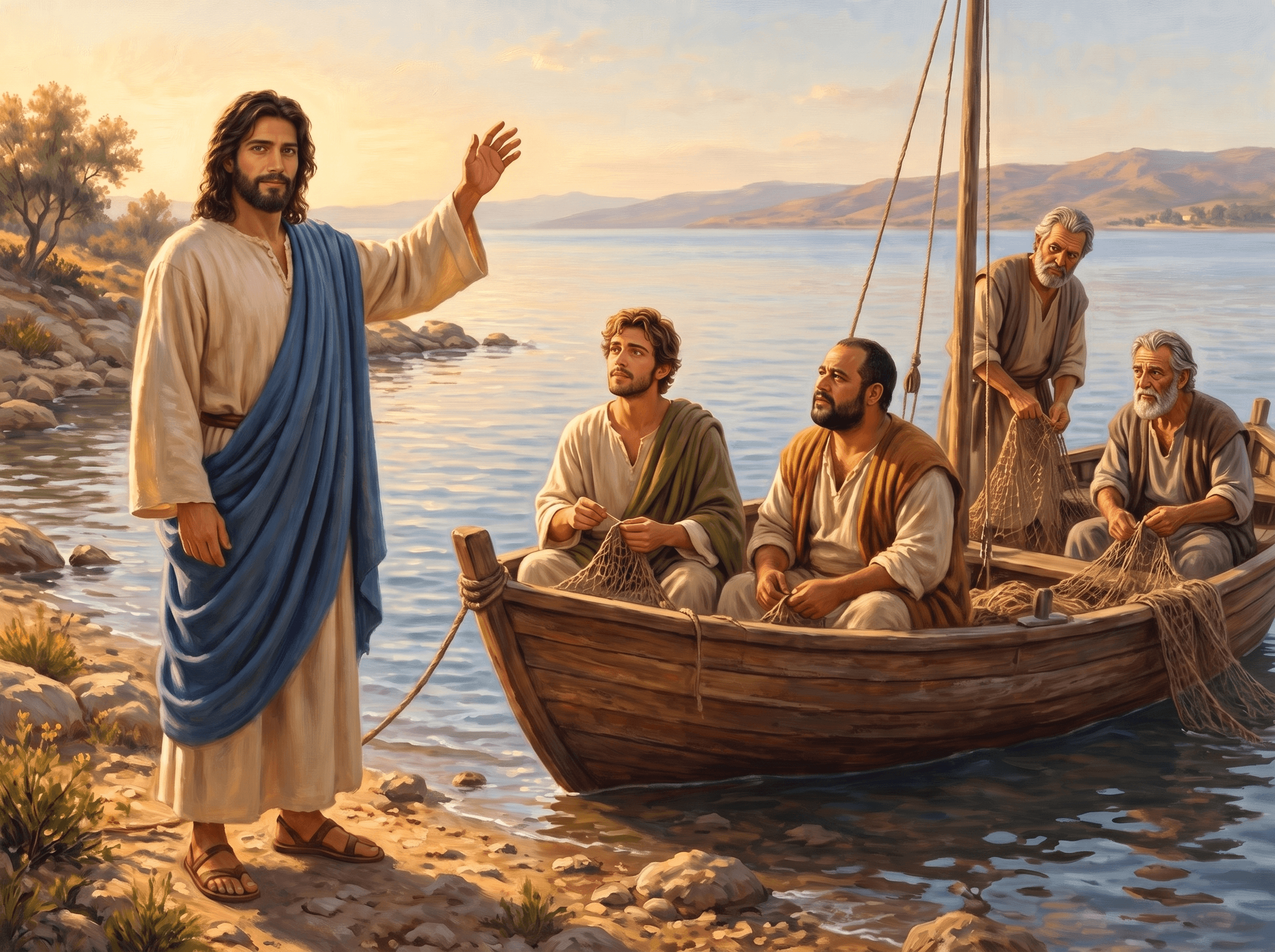
Illustrated scene from John the Apostle's story: Mending Their Nets (Mark 1:19–20)
Meet the people of the Bible
Follow their lives in order, with illustrated scenes and Bible passages that tell their stories.
 John the Apostle

Photo: Photochrom print, Library of Congress Prints and Photographs Division (LCCN 2002724966). License: Public domain in the United States; Library of Congress states no known restrictions on publication. Source. Location: Bethlehem, West Bank; print preserved by the Library of Congress. Resized for the web.
Explore the places of the Bible
See where biblical events happened, why each place matters, and what archaeology helps us understand.
Bethlehem
David's hometown, and the town where Jesus was born.
Get full access with one subscription
Explore the people and places of the Bible. Read summaries of every book, with images and clear explanations covering every chapter. Access all these features and our Bible study tools with one subscription.
See PlansAsk AI about 1 Corinthians 11:28
Ask a question about this verse and get a clear answer, with Bible references you can read for yourself.
Every Bible book, explained chapter by chapter
Explore summaries of every book of the Bible, with images and easy-to-understand explanations covering every chapter.
Keep studying 1 Corinthians 11:28
Related Bible verses
Key themes
Related topics
At a Glance — the Book of 1 Corinthians
- Author
- Paul the apostle
- Written
- Around AD 55
- Genre
- Letter (epistle)
- Original Audience
- The church in Corinth
Frequently Asked Questions
Quick, clear answers about this verse
What does 1 Corinthians 11:28 mean?
1 Corinthians 11:28 emphasizes the importance of self-examination before participating in communion. It encourages individuals to reflect on their lives and actions to ensure they approach the bread and cup with sincerity and a clear conscience.
What is the meaning of self-examination in 1 Corinthians 11:28?
Self-examination in 1 Corinthians 11:28 refers to the practice of reflecting on one's thoughts, actions, and relationships before taking communion. This reflection helps individuals identify areas where they may need forgiveness or improvement, making the communion experience more meaningful.
Why is self-reflection important before communion according to 1 Corinthians 11:28?
Self-reflection is important before communion because it allows individuals to assess their spiritual state and relationships. This practice fosters a sincere approach to communion, enhancing the personal and communal significance of the experience.
How can I apply 1 Corinthians 11:28 in my life?
To apply 1 Corinthians 11:28, take time before communion to think about your actions and relationships. Consider areas where you need to seek forgiveness or make amends, which can help you engage in communion with a sincere heart.
Daily Verse — straight to your inbox
A verse and a 2-sentence plain-English explanation, every morning. Free. Unsubscribe anytime.