New Testament
1 Corinthians 13:11
Read the Bible in clear, modern English—easy to understand, faithful to the meaning, and written for everyday readers.
When I was a child, I talked like a child, I understood like a child, I thought like a child. But when I grew up, I left those childish ways behind.
Compare translations
When I was a child, I spake as a child, I understood as a child, I thought as a child: but when I became a man, I put away childish things.
What 1 Corinthians 13:11 means
Plain-English insight for readers
This verse reflects on the journey from childhood to adulthood, emphasizing personal growth and maturity. As children, we communicate, understand, and think in simple ways, often focused on immediate desires and feelings. However, as we grow older, we begin to see the world differently. We learn to think critically, communicate more effectively, and understand complex ideas. This transformation is essential for personal development. Leaving behind childish ways means embracing responsibility, deeper understanding, and more meaningful relationships. It’s a call to reflect on how we have matured and to continue striving for growth in our lives. Maturity involves letting go of old habits and embracing new perspectives that help us navigate life more wisely. This process is ongoing, and it encourages us to keep evolving as individuals, fostering a sense of purpose and direction in our lives. Ultimately, it’s about becoming the best version of ourselves, capable of contributing positively to the world around us.
How to apply 1 Corinthians 13:11 to your life
Consider areas in your life where you might still be holding onto childish behaviors or thoughts. Challenge yourself to grow by adopting a more mature perspective. Engage in conversations that promote understanding and seek to learn from others. Embrace change as a vital part of your journey toward becoming a better person. Reflect on your progress regularly to stay motivated and focused on growth.
Curated for this public verse page. 1 Corinthians Summary
Explore more of the Bible
Learn the Bible through its people and places
Get to know the people in Scripture through illustrated stories, and explore the places where they lived and traveled.
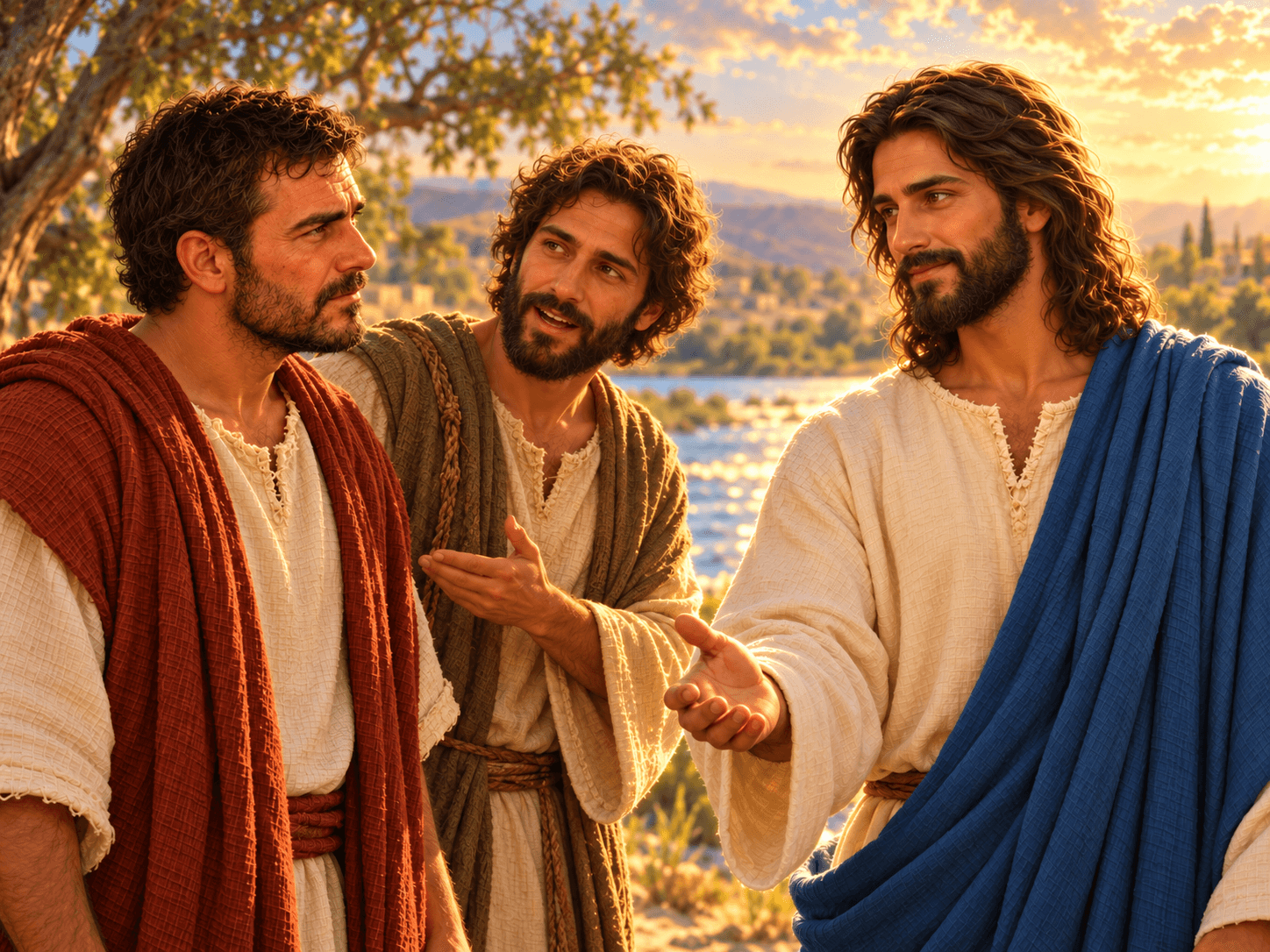
Illustrated scene from Peter's story: Andrew Brings Simon to Jesus (John 1:40–42)
Meet the people of the Bible
Follow their lives in order, with illustrated scenes and Bible passages that tell their stories.
 Peter
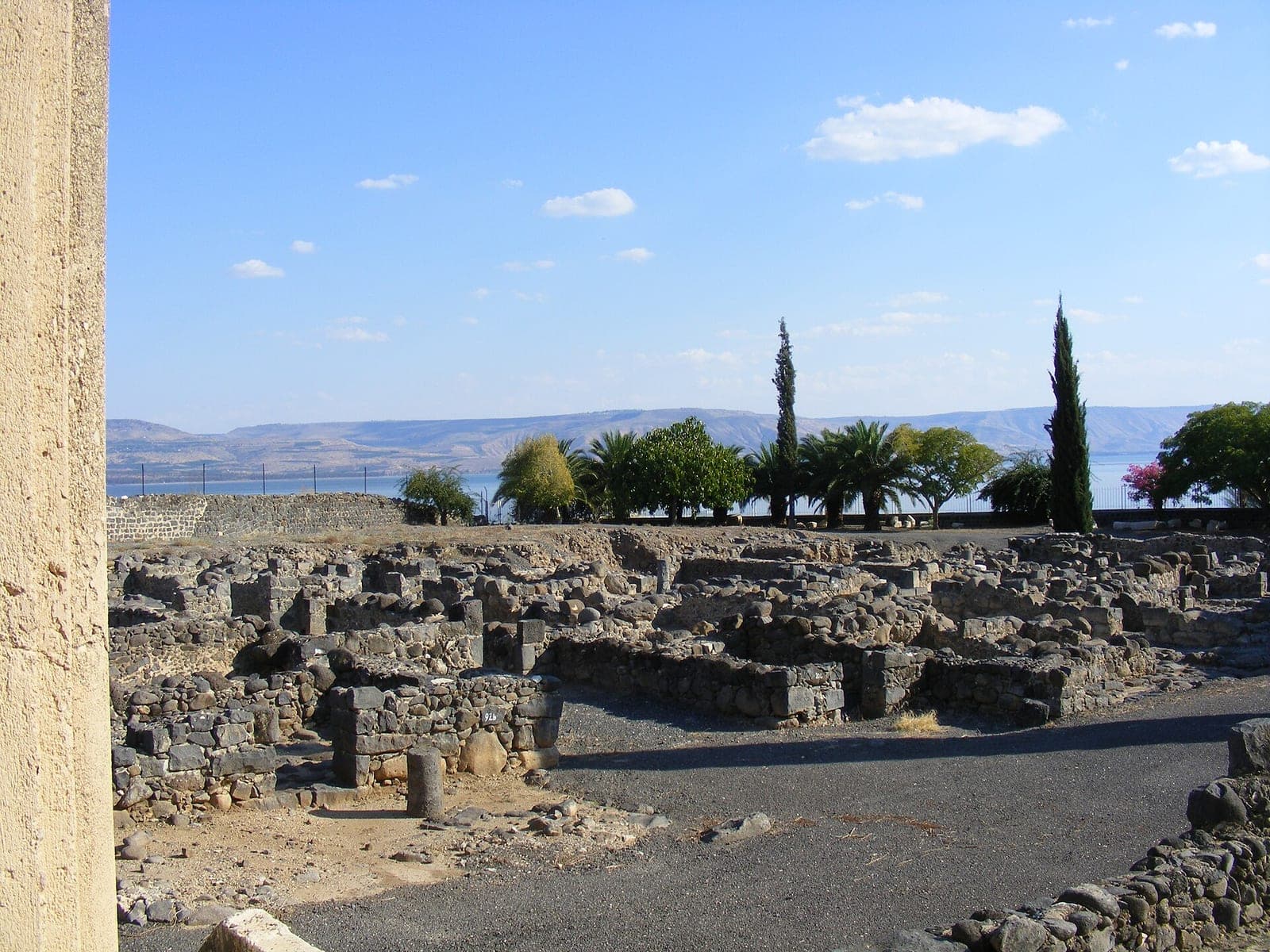
Photo: zeevveez, via Wikimedia Commons. License: CC BY 2.0. Source. Location: Capernaum, on the northern shore of the Sea of Galilee. Resized for the web.
Explore the places of the Bible
See where biblical events happened, why each place matters, and what archaeology helps us understand.
Capernaum
Jesus' home base by the Sea of Galilee, and the town where Peter lived.
Get full access with one subscription
Explore the people and places of the Bible. Read summaries of every book, with images and clear explanations covering every chapter. Access all these features and our Bible study tools with one subscription.
See PlansAsk AI about 1 Corinthians 13:11
Ask a question about this verse and get a clear answer, with Bible references you can read for yourself.
Every Bible book, explained chapter by chapter
Explore summaries of every book of the Bible, with images and easy-to-understand explanations covering every chapter.
Keep studying 1 Corinthians 13:11
Related Bible verses
Key themes
Related topics
At a Glance — the Book of 1 Corinthians
- Author
- Paul the apostle
- Written
- Around AD 55
- Genre
- Letter (epistle)
- Original Audience
- The church in Corinth
Frequently Asked Questions
Quick, clear answers about this verse
What does 1 Corinthians 13:11 mean about growing up?
1 Corinthians 13:11 illustrates the transition from childhood to adulthood, highlighting the importance of personal growth and maturity. It suggests that as we age, our ways of thinking, understanding, and communicating evolve. The verse encourages us to leave behind immature behaviors and embrace a more responsible and thoughtful approach to life.
How can I apply the message of this verse in my life?
To apply the message of 1 Corinthians 13:11, reflect on areas where you may still act childishly, such as in your reactions or decision-making. Challenge yourself to adopt a more mature perspective by seeking knowledge, engaging in meaningful conversations, and taking responsibility for your actions. Embrace change and view it as a necessary part of your growth journey.
What are some examples of childish behaviors to leave behind?
Childish behaviors can include being overly reactive, avoiding responsibility, seeking instant gratification, or failing to communicate effectively. Examples might be throwing tantrums when things don’t go your way, not taking accountability for mistakes, or focusing solely on personal desires without considering others. Recognizing these behaviors is the first step toward maturity.
Why is maturity important according to this verse?
Maturity is important according to 1 Corinthians 13:11 because it allows us to navigate life more wisely and build deeper relationships. As we mature, we develop critical thinking skills, emotional intelligence, and a greater understanding of the world around us. This growth enables us to contribute positively to our communities and fulfill our potential.
Daily Verse — straight to your inbox
A verse and a 2-sentence plain-English explanation, every morning. Free. Unsubscribe anytime.