New Testament
1 Corinthians 14:4
Read the Bible in clear, modern English—easy to understand, faithful to the meaning, and written for everyday readers.
Speaking in an unknown tongue builds up the speaker, but prophesying builds up the whole church.
Compare translations
He that speaketh in an unknown tongue edifieth himself; but he that prophesieth edifieth the church.
What 1 Corinthians 14:4 means
Plain-English insight for readers
When someone speaks in a language they don't understand, it can be a personal experience that helps them feel closer to their own spiritual journey. However, this practice mainly benefits the individual rather than the community. In contrast, when someone shares a message that everyone can understand, it strengthens the entire group. This means that while personal growth is important, the focus should also be on uplifting others. The act of prophesying, or sharing insights that resonate with the whole church, creates a sense of unity and collective encouragement. It’s about building a supportive environment where everyone can thrive together. Ultimately, the goal is to foster a community where everyone feels valued and inspired. This balance between personal and communal growth is essential for a healthy spiritual life and community. Understanding this distinction can help individuals choose how to express their spirituality in ways that benefit both themselves and those around them.
How to apply 1 Corinthians 14:4 to your life
Consider how your actions and words impact those around you. While personal experiences are valuable, think about how you can share insights that encourage and uplift your community. Strive to create an environment where everyone feels included and inspired to grow together. Your contributions matter greatly to the collective journey of faith and support among friends and family. Embrace opportunities to share messages that resonate with others.
Curated for this public verse page. 1 Corinthians Summary
Explore more of the Bible
Learn the Bible through its people and places
Get to know the people in Scripture through illustrated stories, and explore the places where they lived and traveled.
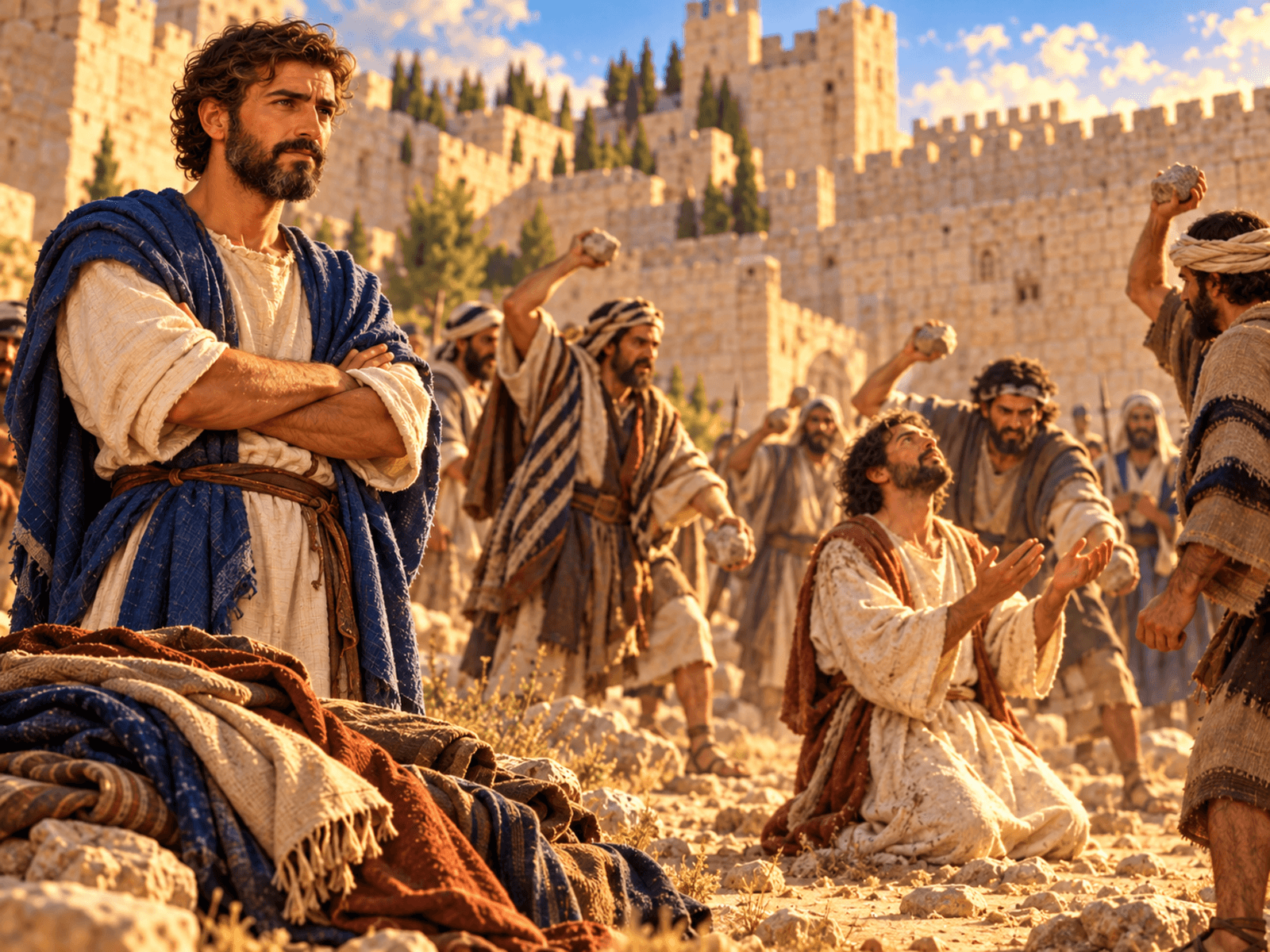
Illustrated scene from Paul's story: The Stoning of Stephen (Acts 7:57–8:2)
Meet the people of the Bible
Follow their lives in order, with illustrated scenes and Bible passages that tell their stories.
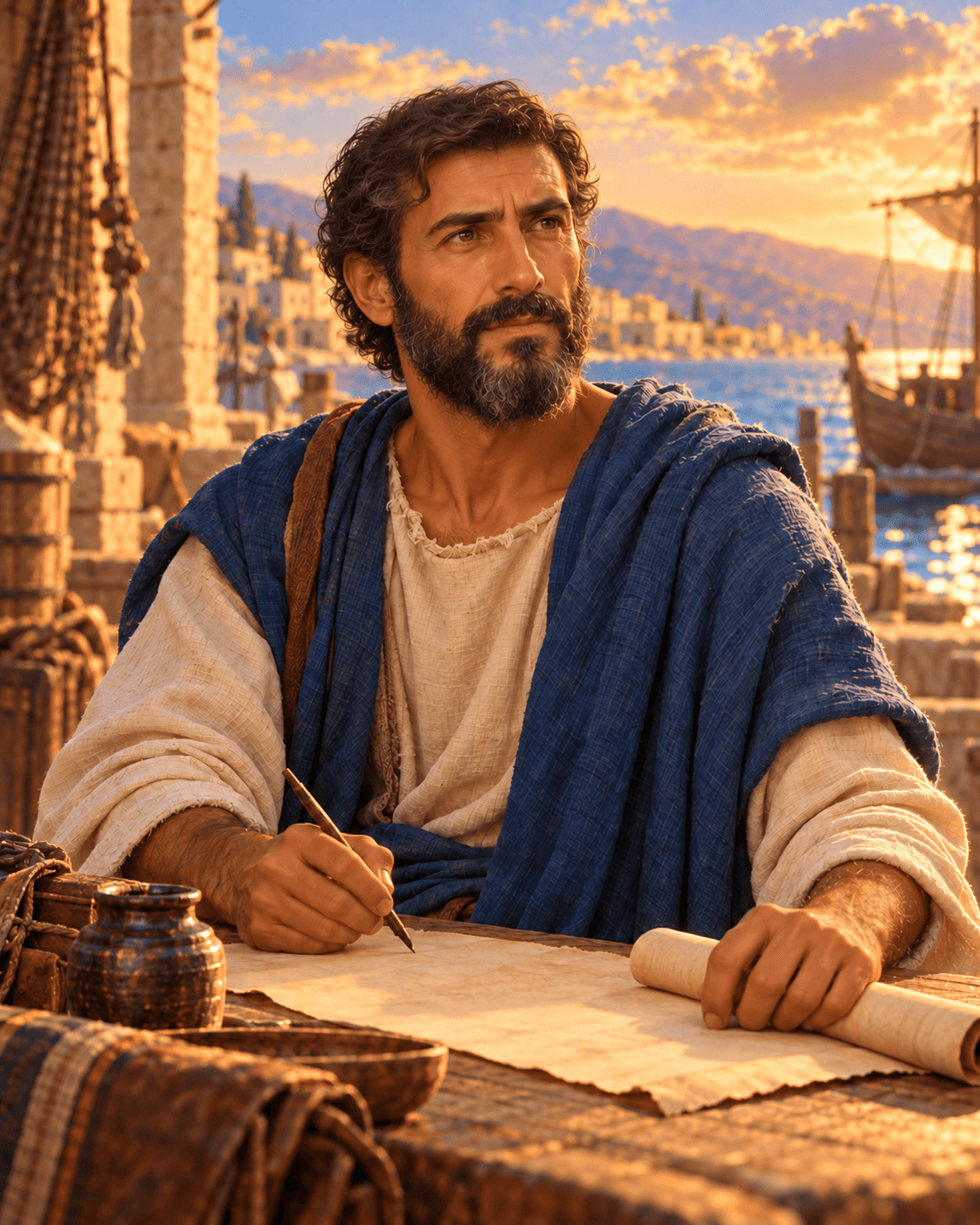 Paul

Photo: Gary Todd (Gary Lee Todd, Ph.D.), via Wikimedia Commons. License: CC0 1.0 Universal Public Domain Dedication. Source. Location: Southern end of the Temple Mount, Jerusalem Old City. Resized for the web.
Explore the places of the Bible
See where biblical events happened, why each place matters, and what archaeology helps us understand.
Jerusalem
David's capital, the city of the temple, and the place where Jesus died and rose again.
Get full access with one subscription
Explore the people and places of the Bible. Read summaries of every book, with images and clear explanations covering every chapter. Access all these features and our Bible study tools with one subscription.
See PlansAsk AI about 1 Corinthians 14:4
Ask a question about this verse and get a clear answer, with Bible references you can read for yourself.
Every Bible book, explained chapter by chapter
Explore summaries of every book of the Bible, with images and easy-to-understand explanations covering every chapter.
Keep studying 1 Corinthians 14:4
Related Bible verses
Key themes
At a Glance — the Book of 1 Corinthians
- Author
- Paul the apostle
- Written
- Around AD 55
- Genre
- Letter (epistle)
- Original Audience
- The church in Corinth
Frequently Asked Questions
Quick, clear answers about this verse
How does prophesying differ from speaking in tongues?
Prophesying involves sharing a message or insight that is understandable to the audience, aimed at encouraging and uplifting the community. In contrast, speaking in tongues is more about personal edification and spiritual expression. While both practices are valued, prophesying is emphasized in 1 Corinthians 14:4 for its ability to build up the entire church, fostering unity and collective growth.
Why is community support emphasized in this verse?
Community support is emphasized in this verse because it highlights the importance of collective growth and encouragement within the church. While personal spiritual experiences are valuable, the verse suggests that sharing insights that benefit the whole group creates a stronger, more unified community. This focus on uplifting others ensures that everyone feels valued and inspired, which is essential for a healthy spiritual environment.
How can I apply this verse in my daily life?
To apply this verse in your daily life, consider how your words and actions impact those around you. Seek opportunities to share insights or messages that encourage and uplift your community, whether in church, at home, or among friends. Strive to create an inclusive environment where everyone feels inspired to grow together, balancing your personal spiritual journey with the needs of your community.
What is the significance of edifying oneself versus edifying the church?
The significance lies in the distinction between personal growth and communal benefit. Edifying oneself through speaking in tongues can enhance individual spirituality, but it may not contribute to the collective well-being of the church. In contrast, edifying the church through prophesying fosters unity and support among members, emphasizing the importance of building a community where everyone can thrive together.
Daily Verse — straight to your inbox
A verse and a 2-sentence plain-English explanation, every morning. Free. Unsubscribe anytime.