New Testament
1 Corinthians 15:32
Read the Bible in clear, modern English—easy to understand, faithful to the meaning, and written for everyday readers.
If I fought wild beasts in Ephesus just for human reasons, what did I gain? If the dead aren't raised, then we might as well say, "Let's eat and drink, because tomorrow we die."
Compare translations
If after the manner of men I have fought with beasts at Ephesus, what advantageth it me, if the dead rise not? let us eat and drink; for to morrow we die.
What 1 Corinthians 15:32 means
Plain-English insight for readers
In this verse, Paul reflects on his struggles and sacrifices while preaching in Ephesus. He questions the value of enduring such hardships if there is no hope of life after death. If the dead do not rise, then life becomes meaningless, and we might as well indulge in pleasures today, since tomorrow we face the end. This stark statement challenges us to consider the deeper purpose of our actions. Are we living for something greater than just the moment? Paul emphasizes that our choices should be influenced by the belief in resurrection and eternal life. If we dismiss this hope, we risk living a life devoid of true meaning. The call to action is clear: live with purpose, knowing that our lives have significance beyond this world. This perspective can transform how we approach our daily lives and relationships, urging us to seek deeper connections and values that last beyond our earthly existence. Ultimately, it’s about finding hope and purpose in the promise of life beyond death.
How to apply 1 Corinthians 15:32 to your life
Consider what drives your daily choices. Are you living for immediate pleasures, or do you seek a deeper purpose? Reflect on the hope of life after death and let it guide your actions. This perspective can enrich your relationships and priorities, leading to a more fulfilling life. Embrace the significance of your journey today, knowing it matters eternally.
Curated for this public verse page. 1 Corinthians Summary
Explore more of the Bible
Learn the Bible through its people and places
Get to know the people in Scripture through illustrated stories, and explore the places where they lived and traveled.
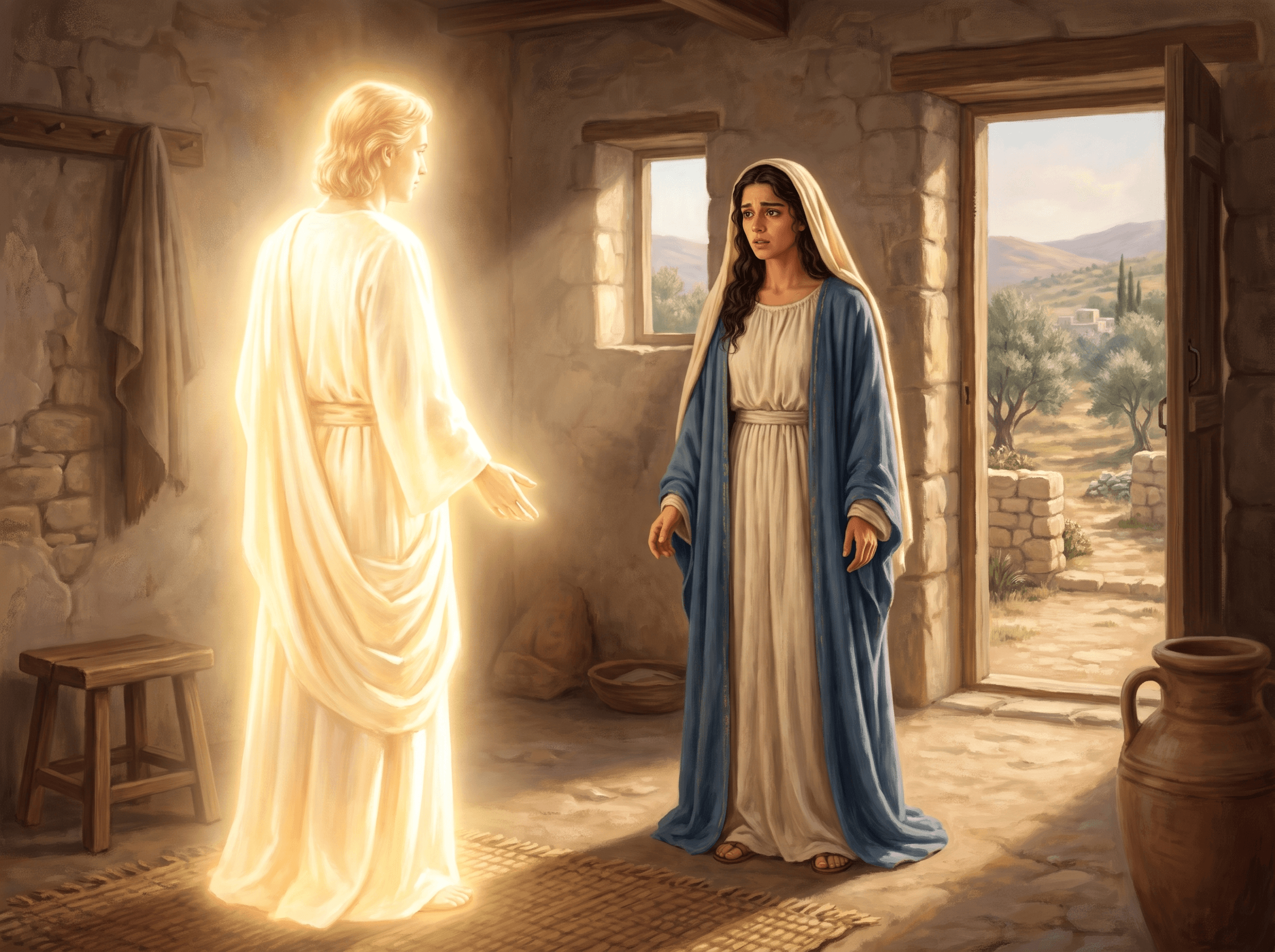
Illustrated scene from Mary, Jesus' mother's story: An Angel Visits Mary (Luke 1:26–38)
Meet the people of the Bible
Follow their lives in order, with illustrated scenes and Bible passages that tell their stories.
 Mary, Jesus' mother
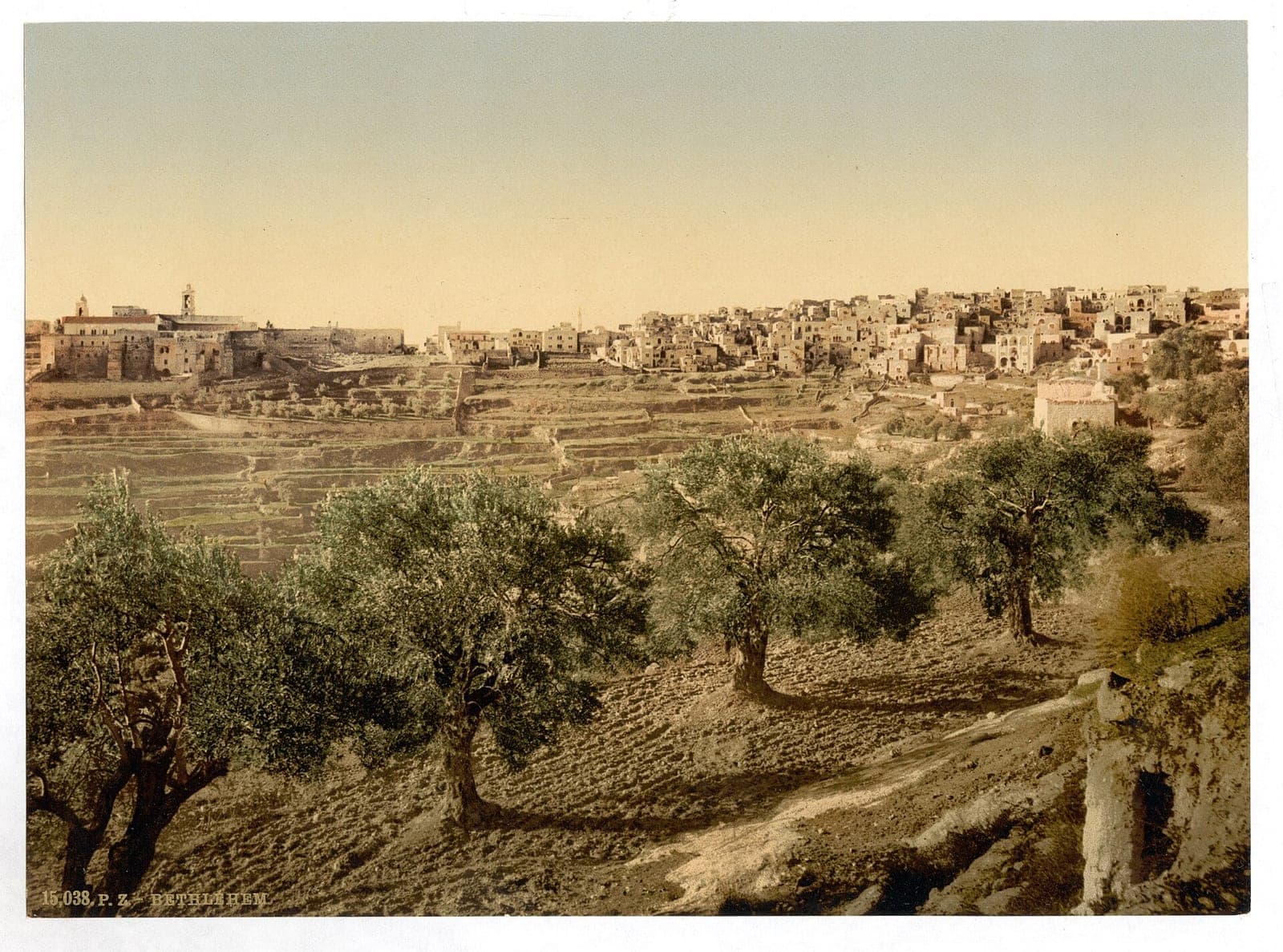
Photo: Photochrom print, Library of Congress Prints and Photographs Division (LCCN 2002724966). License: Public domain in the United States; Library of Congress states no known restrictions on publication. Source. Location: Bethlehem, West Bank; print preserved by the Library of Congress. Resized for the web.
Explore the places of the Bible
See where biblical events happened, why each place matters, and what archaeology helps us understand.
Bethlehem
David's hometown, and the town where Jesus was born.
Get full access with one subscription
Explore the people and places of the Bible. Read summaries of every book, with images and clear explanations covering every chapter. Access all these features and our Bible study tools with one subscription.
See PlansAsk AI about 1 Corinthians 15:32
Ask a question about this verse and get a clear answer, with Bible references you can read for yourself.
Every Bible book, explained chapter by chapter
Explore summaries of every book of the Bible, with images and easy-to-understand explanations covering every chapter.
Keep studying 1 Corinthians 15:32
Related Bible verses
Key themes
Related topics
At a Glance — the Book of 1 Corinthians
- Author
- Paul the apostle
- Written
- Around AD 55
- Genre
- Letter (epistle)
- Original Audience
- The church in Corinth
Frequently Asked Questions
Quick, clear answers about this verse
What does 1 Corinthians 15:32 mean?
In this verse, Paul questions the value of his struggles in Ephesus if there is no resurrection. He suggests that if the dead do not rise, life lacks meaning, and we might as well indulge in immediate pleasures.
What is the meaning of 'let us eat and drink; for tomorrow we die' in 1 Corinthians 15:32?
This phrase emphasizes a hedonistic viewpoint, suggesting that if there is no afterlife, we should focus on enjoying life now, as it is fleeting. It highlights the contrast between living for the moment and living with hope in resurrection.
How does 1 Corinthians 15:32 relate to the concept of purpose?
The verse challenges believers to consider their purpose in life. It argues that if there is no resurrection, then sacrifices made for faith lack meaning, urging individuals to live with a greater purpose beyond immediate gratification.
What themes are present in 1 Corinthians 15:32?
Key themes in this verse include resurrection, purpose, sacrifice, hope, and the meaning of life. Paul encourages readers to reflect on the significance of their actions in light of eternal life.
Daily Verse — straight to your inbox
A verse and a 2-sentence plain-English explanation, every morning. Free. Unsubscribe anytime.