New Testament
1 Corinthians 15:50
Read the Bible in clear, modern English—easy to understand, faithful to the meaning, and written for everyday readers.
Here's what I'm telling you, brothers: flesh and blood cannot inherit the kingdom of God, and what is perishable cannot inherit what is imperishable.
Compare translations
Now this I say, brethren, that flesh and blood cannot inherit the kingdom of God; neither doth corruption inherit incorruption.
What 1 Corinthians 15:50 means
Plain-English insight for readers
In this passage, Paul is sharing an important truth with his fellow believers. He emphasizes that our physical bodies, made of flesh and blood, are not suited for the eternal kingdom of God. This means that our earthly existence, which is temporary and subject to decay, cannot enter into a realm that is everlasting and perfect. The contrast between what is perishable and what is imperishable highlights the need for transformation. To inherit the kingdom of God, we must undergo a change that aligns us with its eternal nature. This transformation is not something we can achieve on our own; it is a divine gift. Paul is encouraging his readers to look beyond their current physical state and to hope for a future that is free from the limitations of this life. This message invites us to reflect on our own lives and the hope we have for something greater beyond our earthly experience. It reminds us that our true identity and destiny are found in the eternal, not in the temporary.
How to apply 1 Corinthians 15:50 to your life
Consider what aspects of your life are temporary and how they might distract you from focusing on eternal truths. Embrace the hope of transformation and the promise of a future beyond this life. Let this understanding inspire you to live with purpose and intention, seeking what truly matters in your journey of faith. Remember, your true identity is found in the eternal, not the temporary. Live accordingly. Be encouraged by this truth.
Curated for this public verse page. 1 Corinthians Summary
Explore more of the Bible
Learn the Bible through its people and places
Get to know the people in Scripture through illustrated stories, and explore the places where they lived and traveled.
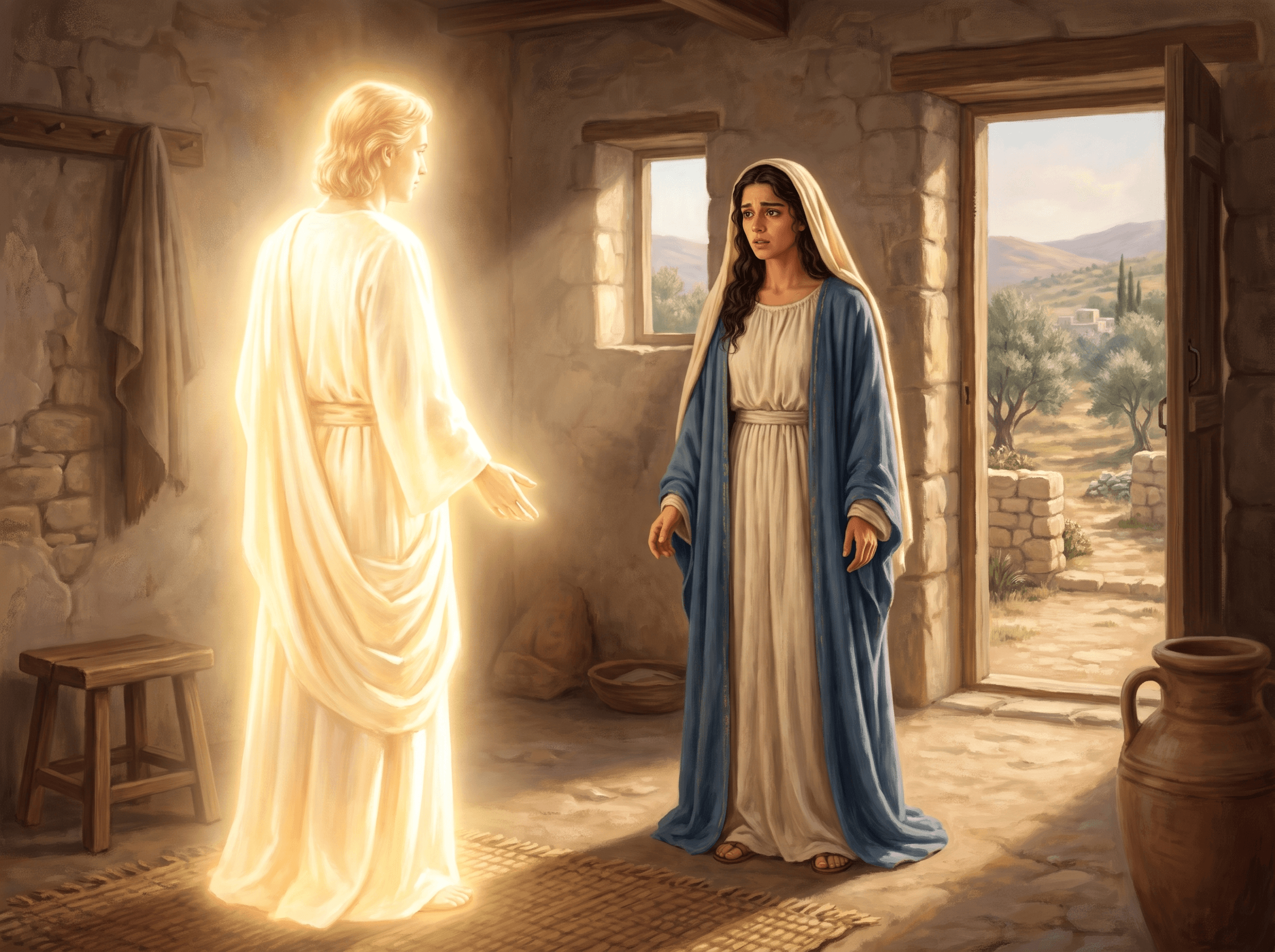
Illustrated scene from Mary, Jesus' mother's story: An Angel Visits Mary (Luke 1:26–38)
Meet the people of the Bible
Follow their lives in order, with illustrated scenes and Bible passages that tell their stories.
 Mary, Jesus' mother
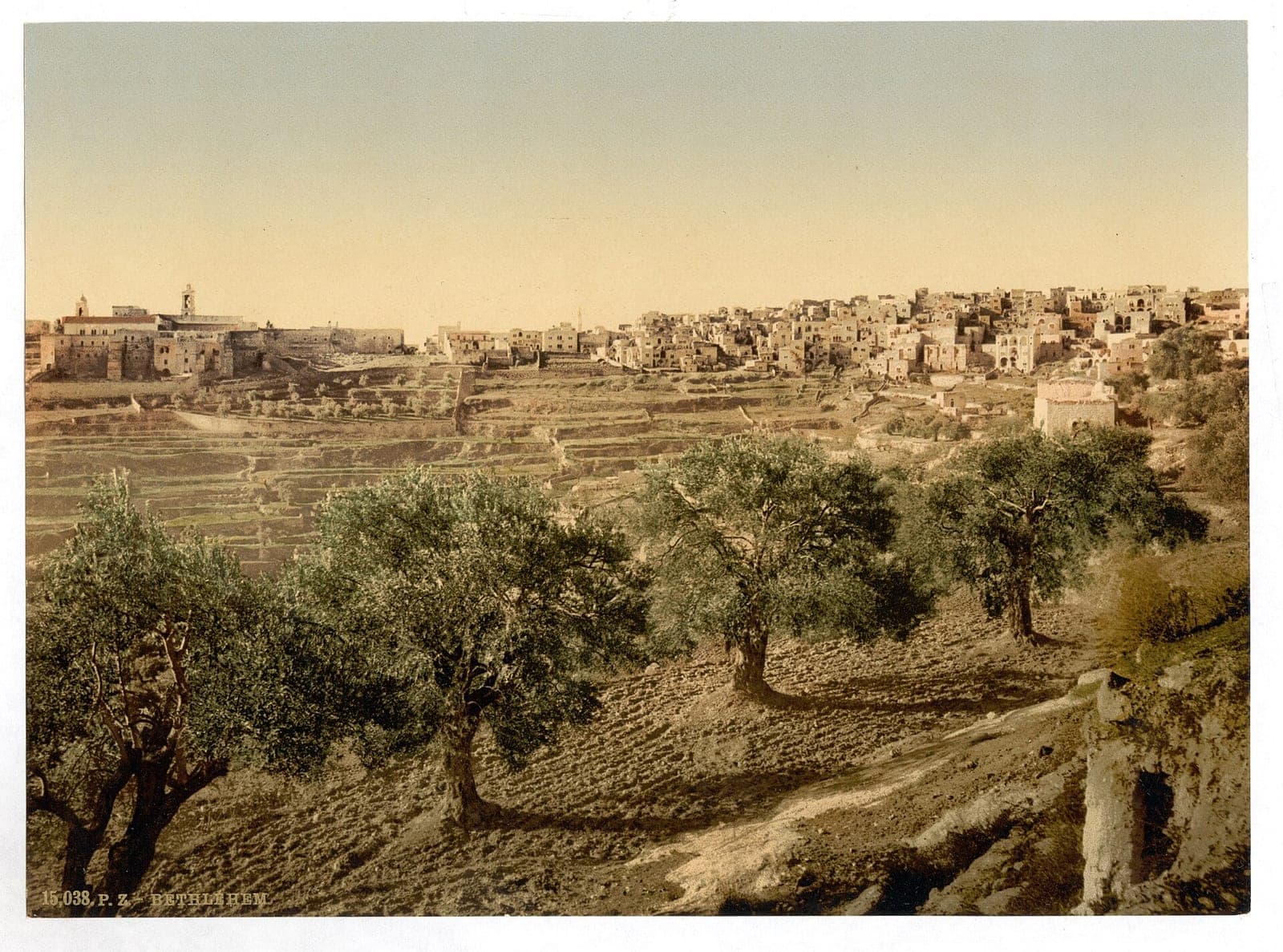
Photo: Photochrom print, Library of Congress Prints and Photographs Division (LCCN 2002724966). License: Public domain in the United States; Library of Congress states no known restrictions on publication. Source. Location: Bethlehem, West Bank; print preserved by the Library of Congress. Resized for the web.
Explore the places of the Bible
See where biblical events happened, why each place matters, and what archaeology helps us understand.
Bethlehem
David's hometown, and the town where Jesus was born.
Get full access with one subscription
Explore the people and places of the Bible. Read summaries of every book, with images and clear explanations covering every chapter. Access all these features and our Bible study tools with one subscription.
See PlansAsk AI about 1 Corinthians 15:50
Ask a question about this verse and get a clear answer, with Bible references you can read for yourself.
Every Bible book, explained chapter by chapter
Explore summaries of every book of the Bible, with images and easy-to-understand explanations covering every chapter.
Keep studying 1 Corinthians 15:50
Related Bible verses
Key themes
Related topics
At a Glance — the Book of 1 Corinthians
- Author
- Paul the apostle
- Written
- Around AD 55
- Genre
- Letter (epistle)
- Original Audience
- The church in Corinth
Frequently Asked Questions
Quick, clear answers about this verse
What does 1 Corinthians 15:50 mean?
1 Corinthians 15:50 explains that our physical bodies, which are temporary and subject to decay, cannot inherit the eternal kingdom of God. It emphasizes the need for transformation to align with the imperishable nature of God's kingdom.
What is the meaning of 'flesh and blood' in 1 Corinthians 15:50?
'Flesh and blood' refers to our physical bodies and earthly existence. The verse indicates that these mortal bodies are not suitable for the eternal and perfect kingdom of God.
How does 1 Corinthians 15:50 relate to transformation?
1 Corinthians 15:50 underscores that to inherit the kingdom of God, believers must undergo a transformation from their current perishable state to an imperishable one, which is a divine gift.
What does 'inherit the kingdom of God' mean in this verse?
'Inherit the kingdom of God' means to receive eternal life and be part of God's everlasting realm. This verse clarifies that our current physical bodies cannot enter this eternal state without transformation.
Daily Verse — straight to your inbox
A verse and a 2-sentence plain-English explanation, every morning. Free. Unsubscribe anytime.