New Testament
1 Corinthians 9:7
Read the Bible in clear, modern English—easy to understand, faithful to the meaning, and written for everyday readers.
Who goes to war at his own expense? Who plants a vineyard and does not eat its fruit? Or who tends a flock and does not drink the milk of the flock?
Compare translations
Who goeth a warfare any time at his own charges? who planteth a vineyard, and eateth not of the fruit thereof? or who feedeth a flock, and eateth not of the milk of the flock?
What 1 Corinthians 9:7 means
Plain-English insight for readers
In this verse, Paul uses everyday examples to illustrate a fundamental principle: those who work deserve to benefit from their labor. Just as soldiers don’t pay for their own battles, farmers enjoy the fruits of their fields, and shepherds drink the milk from their flocks, so too should those who serve in spiritual roles receive support. This highlights the importance of recognizing and valuing the contributions of others. It’s a reminder that when we invest our time and energy into something, we should also be able to enjoy the rewards. Paul is emphasizing fairness and the natural order of things, where effort leads to gain. This principle applies not just in spiritual contexts but in all areas of life, encouraging us to support one another in our endeavors. It’s about mutual respect and understanding that everyone has a role to play, and everyone deserves to benefit from their hard work. This verse invites us to reflect on how we can support those who serve us, whether in our communities, workplaces, or families.
How to apply 1 Corinthians 9:7 to your life
Consider how you can support those around you who work hard for your benefit. Whether it’s a friend, family member, or colleague, show appreciation for their efforts. A simple thank you or offering help can go a long way in building strong relationships and fostering a supportive environment. Remember, everyone deserves recognition for their contributions to your life and community.
Curated for this public verse page. 1 Corinthians Summary
Explore more of the Bible
Learn the Bible through its people and places
Get to know the people in Scripture through illustrated stories, and explore the places where they lived and traveled.
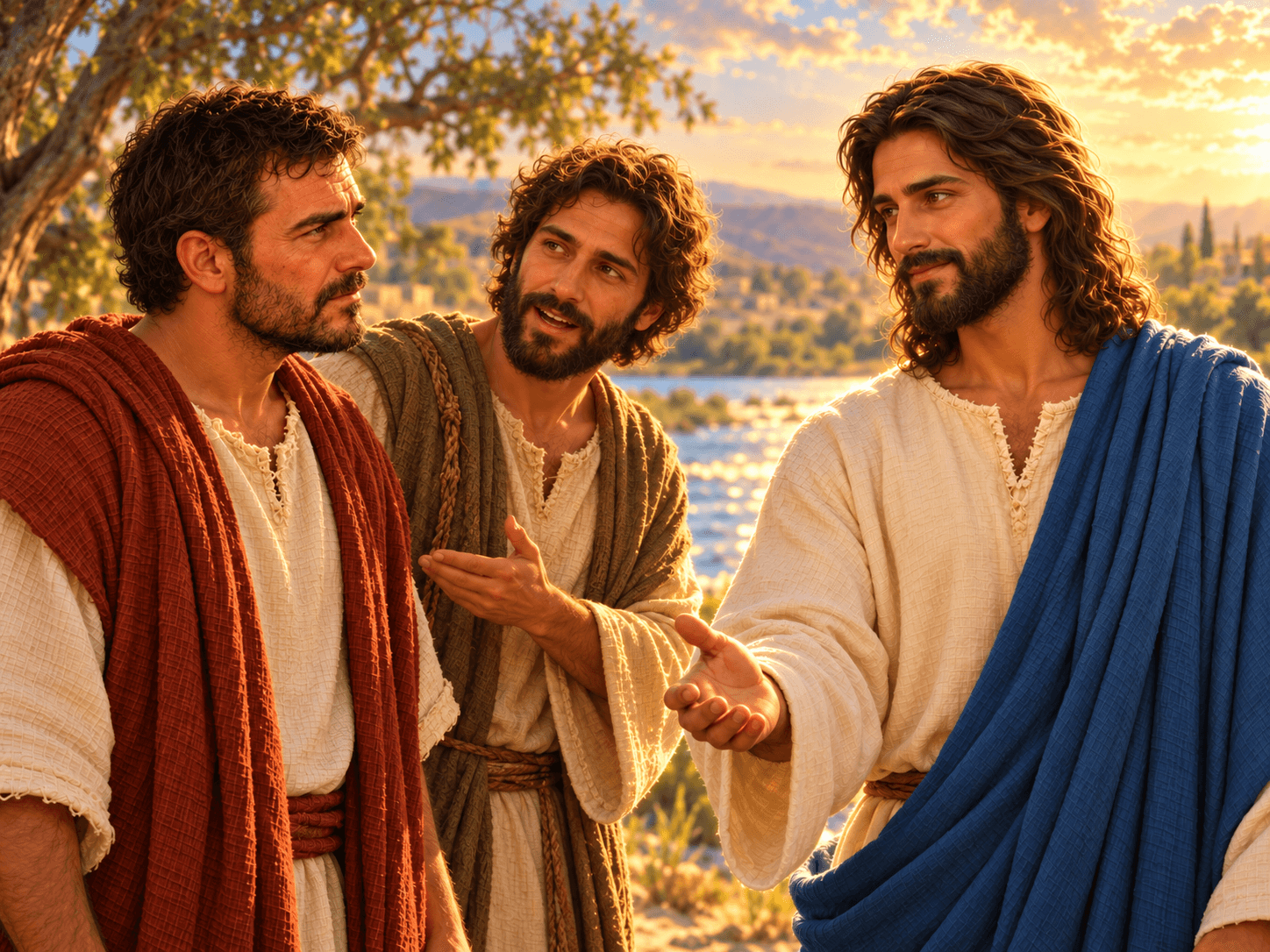
Illustrated scene from Peter's story: Andrew Brings Simon to Jesus (John 1:40–42)
Meet the people of the Bible
Follow their lives in order, with illustrated scenes and Bible passages that tell their stories.
 Peter

Photo: Gary Todd (Gary Lee Todd, Ph.D.), via Wikimedia Commons. License: CC0 1.0 Universal Public Domain Dedication. Source. Location: Southern end of the Temple Mount, Jerusalem Old City. Resized for the web.
Explore the places of the Bible
See where biblical events happened, why each place matters, and what archaeology helps us understand.
Jerusalem
David's capital, the city of the temple, and the place where Jesus died and rose again.
Get full access with one subscription
Explore the people and places of the Bible. Read summaries of every book, with images and clear explanations covering every chapter. Access all these features and our Bible study tools with one subscription.
See PlansAsk AI about 1 Corinthians 9:7
Ask a question about this verse and get a clear answer, with Bible references you can read for yourself.
Every Bible book, explained chapter by chapter
Explore summaries of every book of the Bible, with images and easy-to-understand explanations covering every chapter.
Keep studying 1 Corinthians 9:7
Related Bible verses
At a Glance — the Book of 1 Corinthians
- Author
- Paul the apostle
- Written
- Around AD 55
- Genre
- Letter (epistle)
- Original Audience
- The church in Corinth
Frequently Asked Questions
Quick, clear answers about this verse
What does 1 Corinthians 9:7 mean?
1 Corinthians 9:7 illustrates that those who work, like soldiers, farmers, and shepherds, deserve to benefit from their labor. Paul emphasizes the principle that effort should lead to reward, highlighting the importance of supporting those who serve in various roles.
What is the meaning of 'Who goes to war at his own expense' in 1 Corinthians 9:7?
The phrase 'Who goes to war at his own expense' in 1 Corinthians 9:7 means that soldiers do not pay for their own battles. It underscores the idea that those who dedicate themselves to a task should receive support and benefits from their work.
How does 1 Corinthians 9:7 apply to our lives today?
1 Corinthians 9:7 encourages us to recognize and support those who work hard for our benefit. It reminds us to appreciate the contributions of others in our communities and to foster an environment of mutual respect and support.
What themes are present in 1 Corinthians 9:7?
The themes present in 1 Corinthians 9:7 include support, fairness, labor, reward, and community. These themes highlight the importance of valuing the efforts of others and ensuring that everyone benefits from their hard work.
Daily Verse — straight to your inbox
A verse and a 2-sentence plain-English explanation, every morning. Free. Unsubscribe anytime.