New Testament
1 Corinthians 9:8
Read the Bible in clear, modern English—easy to understand, faithful to the meaning, and written for everyday readers.
Am I just making a human argument here? Doesn't the law itself say the same thing?
Compare translations
Say I these things as a man? or saith not the law the same also?
What 1 Corinthians 9:8 means
Plain-English insight for readers
In this verse, Paul is questioning whether he is simply presenting a human viewpoint or if he is echoing what the law already states. He is emphasizing that his arguments are not just personal opinions but are grounded in established principles. By referencing the law, he highlights that there is a deeper, universal truth that supports his claims. This approach invites the audience to consider the validity of his message beyond mere human reasoning. Paul is urging his readers to recognize that the law itself aligns with his thoughts, reinforcing the importance of understanding the connection between spiritual teachings and established guidelines. This connection serves to strengthen his argument and encourages a thoughtful examination of the principles at play. Ultimately, Paul is asserting that his insights are not only valid but are also rooted in a broader context that transcends individual perspectives, making them more significant and impactful for his audience.
How to apply 1 Corinthians 9:8 to your life
When faced with challenges or doubts, consider the foundational principles that guide your beliefs. Reflect on how established truths can support your arguments and decisions. This approach can help you communicate more effectively and strengthen your convictions in discussions with others. Seek to align your views with deeper truths for greater impact and understanding in your life and conversations.
Curated for this public verse page. 1 Corinthians Summary
Explore more of the Bible
Learn the Bible through its people and places
Get to know the people in Scripture through illustrated stories, and explore the places where they lived and traveled.
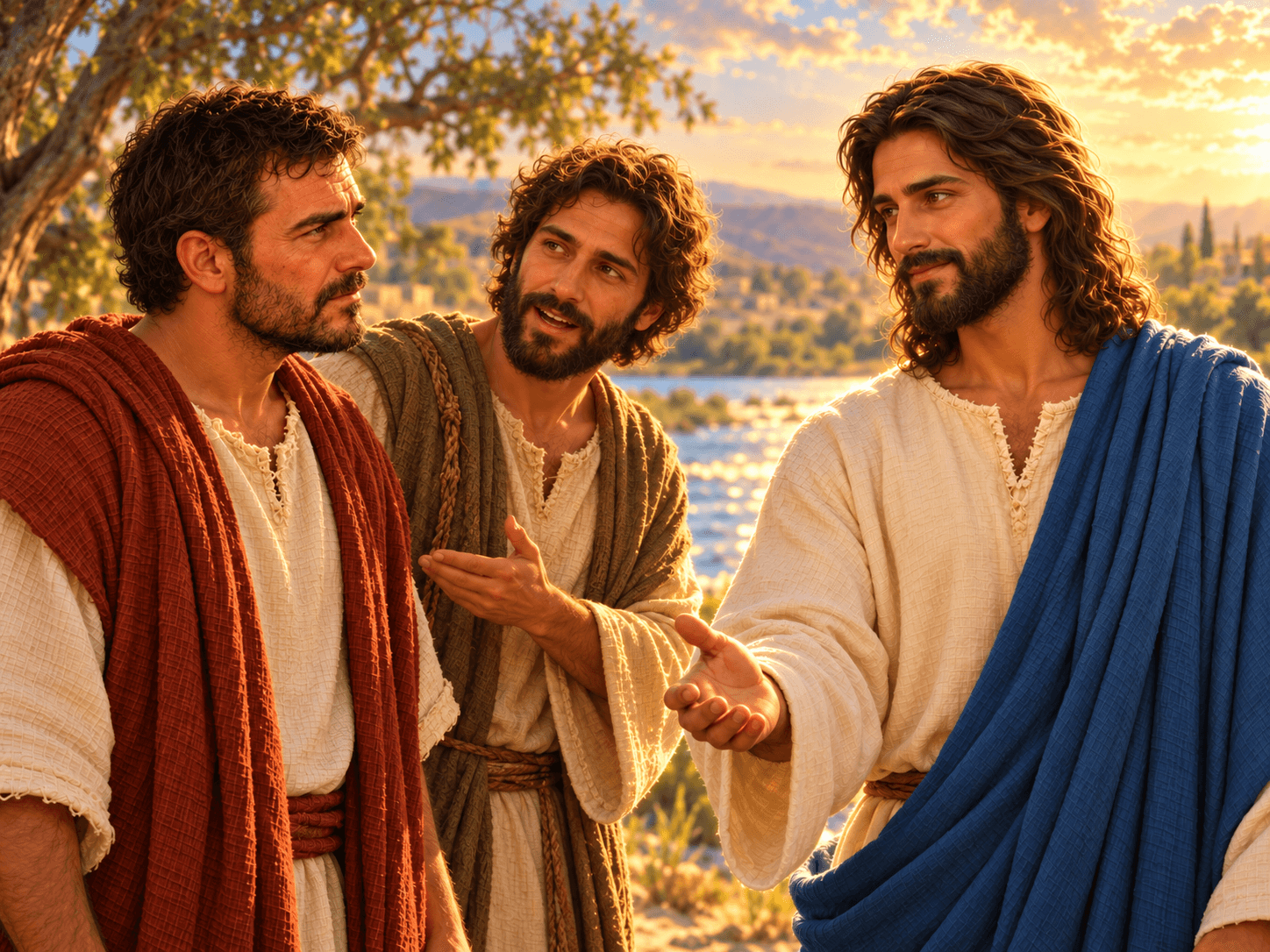
Illustrated scene from Peter's story: Andrew Brings Simon to Jesus (John 1:40–42)
Meet the people of the Bible
Follow their lives in order, with illustrated scenes and Bible passages that tell their stories.
 Peter

Photo: Gary Todd (Gary Lee Todd, Ph.D.), via Wikimedia Commons. License: CC0 1.0 Universal Public Domain Dedication. Source. Location: Southern end of the Temple Mount, Jerusalem Old City. Resized for the web.
Explore the places of the Bible
See where biblical events happened, why each place matters, and what archaeology helps us understand.
Jerusalem
David's capital, the city of the temple, and the place where Jesus died and rose again.
Get full access with one subscription
Explore the people and places of the Bible. Read summaries of every book, with images and clear explanations covering every chapter. Access all these features and our Bible study tools with one subscription.
See PlansAsk AI about 1 Corinthians 9:8
Ask a question about this verse and get a clear answer, with Bible references you can read for yourself.
Every Bible book, explained chapter by chapter
Explore summaries of every book of the Bible, with images and easy-to-understand explanations covering every chapter.
Keep studying 1 Corinthians 9:8
Related Bible verses
Key themes
At a Glance — the Book of 1 Corinthians
- Author
- Paul the apostle
- Written
- Around AD 55
- Genre
- Letter (epistle)
- Original Audience
- The church in Corinth
Frequently Asked Questions
Quick, clear answers about this verse
What does 1 Corinthians 9:8 mean in context?
In 1 Corinthians 9:8, Paul is addressing the legitimacy of his authority and the principles he teaches. He questions whether his arguments are merely human opinions or if they are supported by the law, which refers to the established teachings of Scripture. This verse emphasizes that his insights are not just personal views but are grounded in a broader, divine truth that aligns with the law, encouraging readers to recognize the importance of these foundational principles.
How can I apply the message of 1 Corinthians 9:8 in my life?
To apply the message of 1 Corinthians 9:8, reflect on the principles that guide your beliefs and decisions. When discussing your views, consider how they align with established truths or moral guidelines. This practice can enhance your arguments and help you communicate more effectively. By grounding your beliefs in deeper truths, you can strengthen your convictions and foster more meaningful conversations with others.
What is the significance of the law in 1 Corinthians 9:8?
The law in 1 Corinthians 9:8 signifies the established moral and ethical guidelines found in Scripture. Paul references the law to validate his arguments, showing that they are not merely personal opinions but are supported by divine authority. This connection underscores the importance of aligning one's beliefs with biblical principles, reinforcing the idea that spiritual teachings are rooted in a broader context that transcends individual perspectives.
Why does Paul question his own arguments in 1 Corinthians 9:8?
Paul questions his own arguments in 1 Corinthians 9:8 to emphasize the validity of his teachings. By asking if he is making a human argument or if the law supports his claims, he invites his audience to consider the deeper truths behind his message. This rhetorical approach serves to strengthen his position, encouraging readers to recognize that his insights are grounded in established principles rather than just personal opinions.
Daily Verse — straight to your inbox
A verse and a 2-sentence plain-English explanation, every morning. Free. Unsubscribe anytime.