New Testament
1 John 2:16
Read the Bible in clear, modern English—easy to understand, faithful to the meaning, and written for everyday readers.
For everything in the world—the lust of the flesh, the lust of the eyes, and the pride of life—does not come from the Father but from the world.
Compare translations
For all that is in the world, the lust of the flesh, and the lust of the eyes, and the pride of life, is not of the Father, but is of the world.
What 1 John 2:16 means
Plain-English insight for readers
This verse highlights the things that can distract us from a deeper relationship with God. It identifies three main temptations: the desires of our bodies, the things we see that we want, and the arrogance that comes from our achievements. These temptations are not from God; instead, they originate from the world around us. The world often encourages us to chase after these fleeting pleasures and status symbols, which can lead us away from what truly matters. Understanding this helps us recognize that these desires can be misleading. They promise satisfaction but often leave us feeling empty. By focusing on what God offers, we can find lasting fulfillment and purpose. This verse serves as a reminder to evaluate our desires and align them with a higher calling, one that brings true joy and peace. It encourages us to seek deeper connections rather than superficial ones, guiding us toward a more meaningful life rooted in love and truth rather than temporary satisfaction.
How to apply 1 John 2:16 to your life
To apply this verse, take a moment to reflect on your desires. Are they leading you closer to God or pulling you away? Focus on nurturing relationships and pursuits that align with your values and bring genuine joy. Choose to prioritize what truly matters over fleeting pleasures and status symbols. This will lead to a more fulfilling life overall.
Curated for this public verse page. 1 John Summary
Explore more of the Bible
Learn the Bible through its people and places
Get to know the people in Scripture through illustrated stories, and explore the places where they lived and traveled.
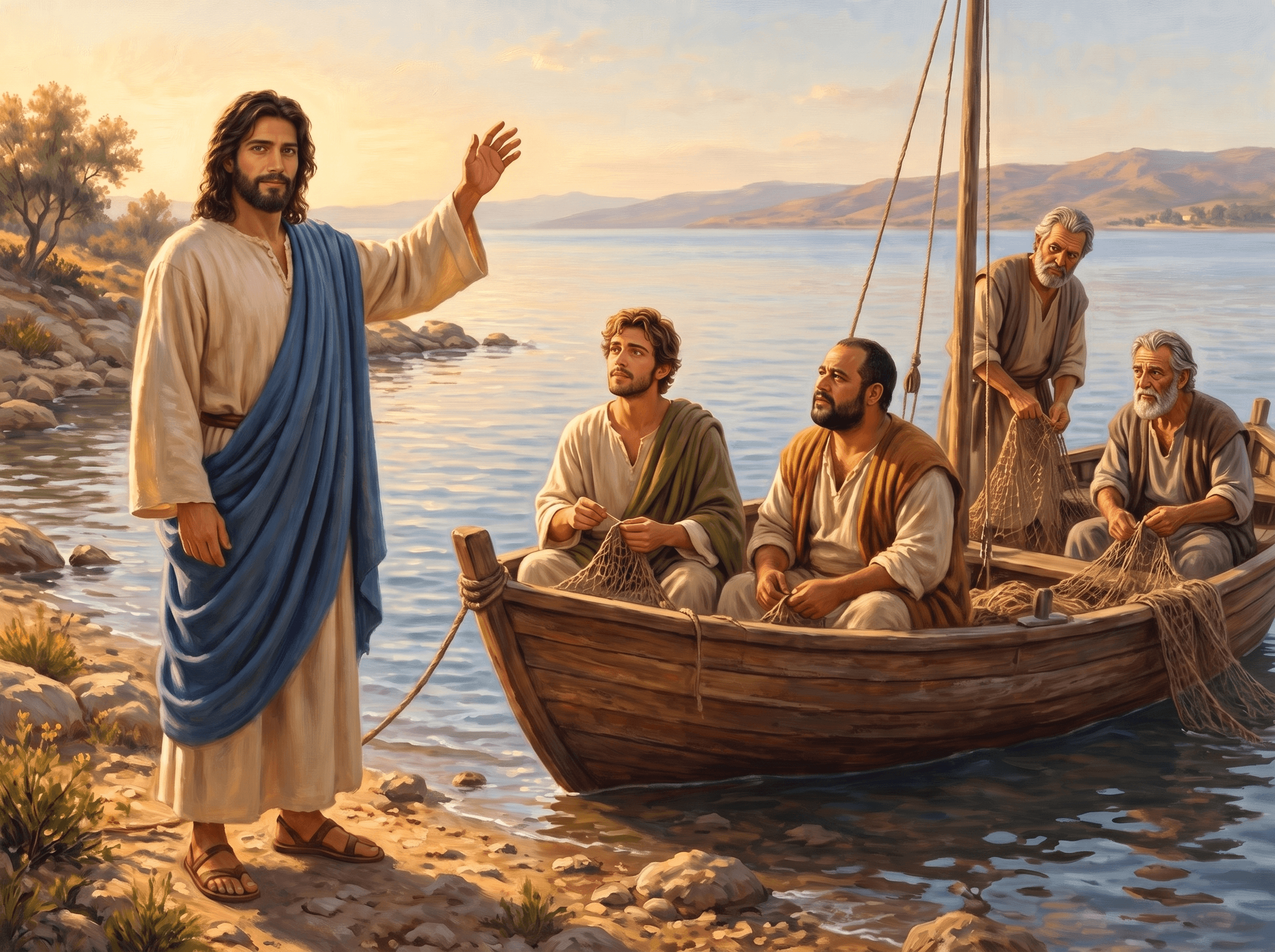
Illustrated scene from John the Apostle's story: Mending Their Nets (Mark 1:19–20)
Meet the people of the Bible
Follow their lives in order, with illustrated scenes and Bible passages that tell their stories.
 John the Apostle

Photo: Photochrom print, Library of Congress Prints and Photographs Division (LCCN 2002725045). License: Public domain in the United States; Library of Congress states no known restrictions on publication. Source. Location: Nazareth, Israel; print preserved by the Library of Congress. Resized for the web.
Explore the places of the Bible
See where biblical events happened, why each place matters, and what archaeology helps us understand.
Nazareth
The small town in Galilee where Jesus grew up.
Get full access with one subscription
Explore the people and places of the Bible. Read summaries of every book, with images and clear explanations covering every chapter. Access all these features and our Bible study tools with one subscription.
See PlansAsk AI about 1 John 2:16
Ask a question about this verse and get a clear answer, with Bible references you can read for yourself.
Every Bible book, explained chapter by chapter
Explore summaries of every book of the Bible, with images and easy-to-understand explanations covering every chapter.
Keep studying 1 John 2:16
Related Bible verses
Key themes
Related topics
At a Glance — the Book of 1 John
- Author
- John the apostle
- Written
- Around AD 85-95
- Genre
- Letter (epistle)
- Original Audience
- Early Christian communities
Frequently Asked Questions
Quick, clear answers about this verse
What does 1 John 2:16 mean by 'lust of the flesh'?
The 'lust of the flesh' refers to our physical desires and cravings that can lead us away from God. This includes indulgence in sinful behaviors that satisfy our bodily urges, such as gluttony, sexual immorality, or any form of excess that prioritizes immediate gratification over spiritual growth. Recognizing these urges helps us understand the importance of self-control and the need to seek fulfillment in a way that honors God.
How can I identify the 'pride of life' in my life?
The 'pride of life' encompasses arrogance and self-importance that stems from our achievements, possessions, or status. To identify it in your life, reflect on how you view your successes and how they affect your relationships with others and with God. If you find yourself boasting or feeling superior because of what you have or have accomplished, it may be a sign that pride is influencing your actions. Strive to remain humble and recognize that all good things come from God.
What are practical ways to resist worldly distractions mentioned in 1 John 2:16?
To resist worldly distractions, start by evaluating your daily habits and the influences around you. Limit exposure to media or environments that promote materialism and superficial values. Engage in activities that foster spiritual growth, such as prayer, reading Scripture, and serving others. Surround yourself with a community that encourages a deeper relationship with God. By focusing on meaningful connections and pursuits, you can cultivate a life that prioritizes lasting fulfillment over fleeting pleasures.
How does this verse relate to finding true fulfillment?
1 John 2:16 teaches that worldly desires ultimately lead to emptiness, while true fulfillment comes from a relationship with God. By recognizing that the temptations of the flesh, eyes, and pride are not from God, we can redirect our focus toward spiritual pursuits that bring lasting joy and peace. Engaging in prayer, worship, and acts of kindness helps us align our desires with God's will, leading to a more meaningful and satisfying life.
Daily Verse — straight to your inbox
A verse and a 2-sentence plain-English explanation, every morning. Free. Unsubscribe anytime.