Old Testament
1 Kings 6:32
Read the Bible in clear, modern English—easy to understand, faithful to the meaning, and written for everyday readers.
The 2 olive wood doors were carved with cherubim, palm trees, and open flowers, then overlaid with gold. He pressed gold over the carved cherubim and palm trees.
Compare translations
The two doors also were of olive tree; and he carved upon them carvings of cherubims and palm trees and open flowers, and overlaid them with gold, and spread gold upon the cherubims, and upon the palm trees.
What 1 Kings 6:32 means
Plain-English insight for readers
In this passage, we see the intricate craftsmanship of the two doors made from olive wood. They were not just functional; they were works of art. The carvings included cherubim, which symbolize divine presence, palm trees representing peace and victory, and open flowers that signify beauty and life. After the carvings were completed, they were covered in gold, enhancing their beauty and significance. This gold overlay not only made the doors stunning but also highlighted their importance in the temple. The details in the design reflect the care and reverence put into creating a sacred space. These doors served as a gateway to a holy place, reminding us of the beauty and majesty of what lies beyond. The artistry involved invites us to appreciate the beauty in our surroundings and the importance of creating spaces that inspire awe and reverence in our lives today. Every detail matters, and the effort put into creating something beautiful can elevate our experiences and connections.
How to apply 1 Kings 6:32 to your life
Consider how you can create beauty in your own life and surroundings. Whether it's through art, nature, or meaningful relationships, strive to make spaces that inspire and uplift. Remember that the effort you put into creating beauty can have a lasting impact on yourself and others around you. Embrace the artistry in everyday life and let it enrich your experiences. Be intentional about the beauty you bring into the world around you.
Curated for this public verse page. 1 Kings Summary
Learn the Bible through its people and places
Get to know the people in Scripture through illustrated stories, and explore the places where they lived and traveled.
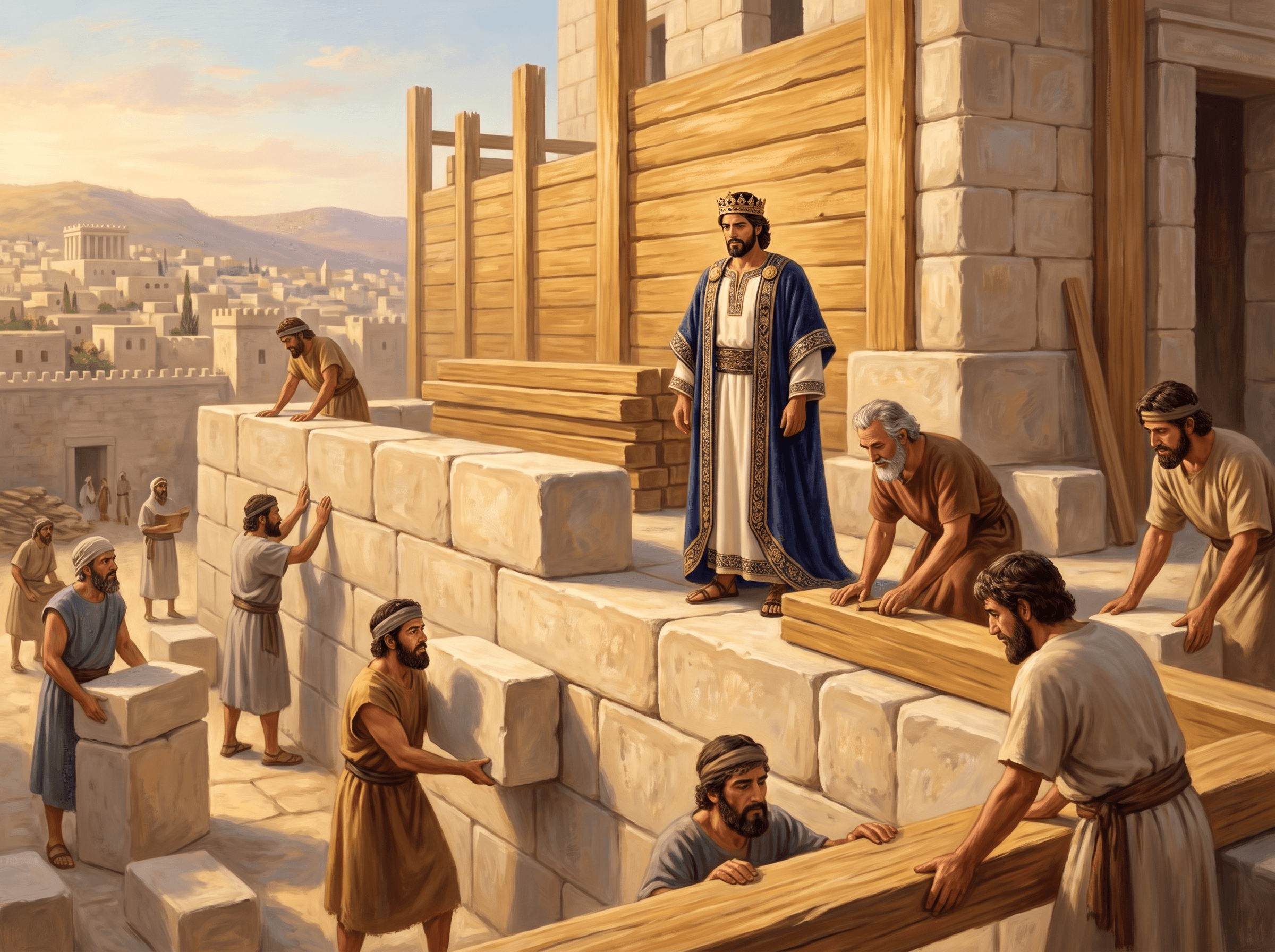
Illustrated scene from Solomon's story: Building the Temple (1 Kings 6:1–38)
Meet the people of the Bible
Follow their lives in order, with illustrated scenes and Bible passages that tell their stories.
 Solomon
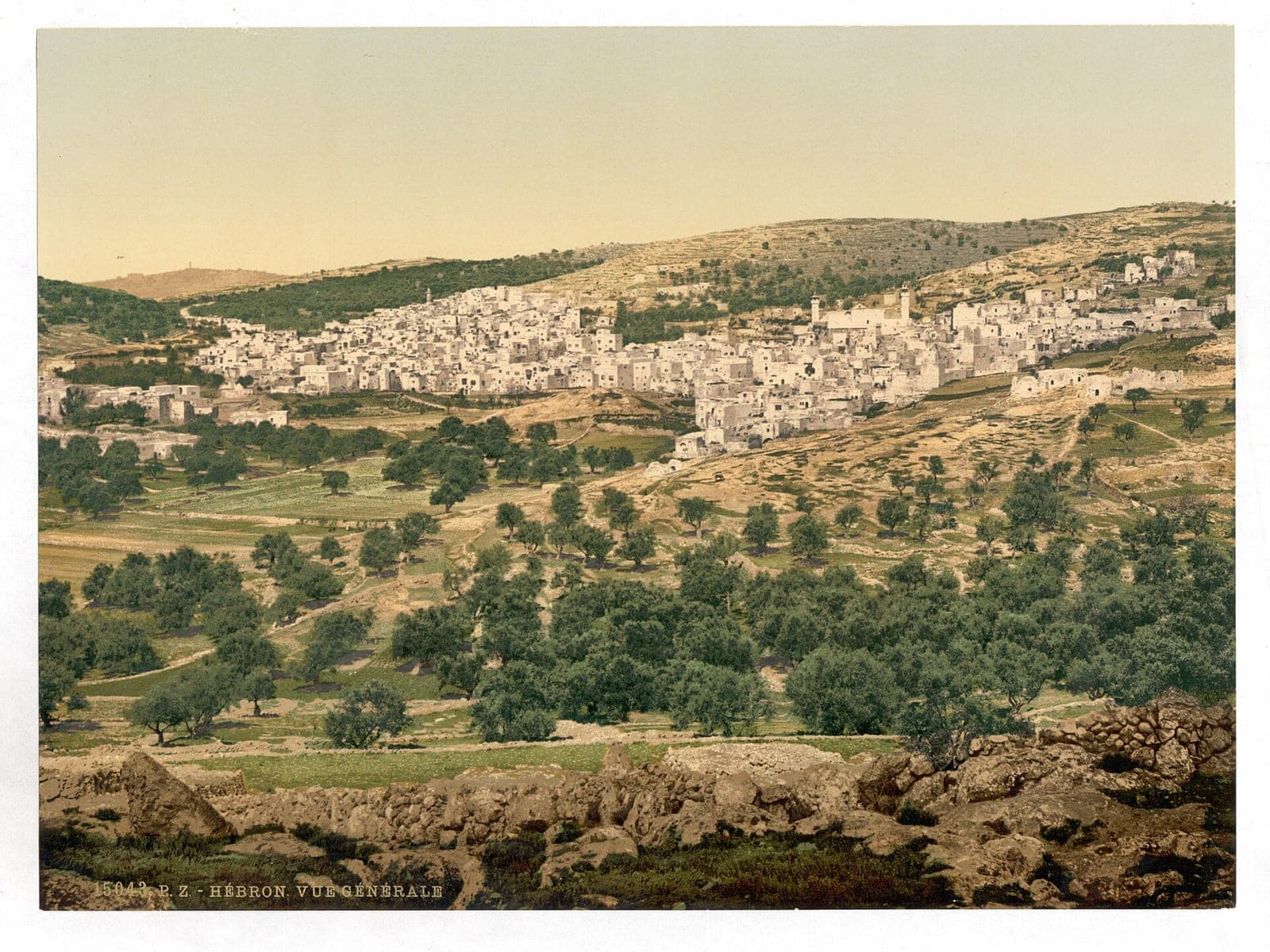
Photo: Photochrom print, Library of Congress Prints and Photographs Division (LCCN 2002724987). License: Public domain in the United States; Library of Congress states no known restrictions on publication. Source. Location: Hebron, West Bank; print preserved by the Library of Congress. Resized for the web.
Explore the places of the Bible
See where biblical events happened, why each place matters, and what archaeology helps us understand.
Hebron
Where Abraham lived and buried Sarah, and where David was first made king.
Get full access with one subscription
Explore the people and places of the Bible. Read summaries of every book, with images and clear explanations covering every chapter. Access all these features and our Bible study tools with one subscription.
See PlansAsk AI about 1 Kings 6:32
Ask a question about this verse and get a clear answer, with Bible references you can read for yourself.
Every Bible book, explained chapter by chapter
Explore summaries of every book of the Bible, with images and easy-to-understand explanations covering every chapter.
Keep studying 1 Kings 6:32
Related Bible verses
Key themes
Related topics
At a Glance — the Book of 1 Kings
- Author
- Author unknown; possibly Jeremiah
- Written
- Around 560 BC
- Genre
- Historical narrative
- Original Audience
- Exiled Israelites in Babylon
Frequently Asked Questions
Quick, clear answers about this verse
What do the cherubim symbolize in 1 Kings 6:32?
In 1 Kings 6:32, the cherubim carved on the doors symbolize the divine presence of God. Cherubim are often associated with protection and the holiness of God, serving as guardians of sacred spaces. Their inclusion in the temple's design emphasizes the importance of the space as a dwelling place for God's presence among His people.
Why were the doors made of olive wood significant?
The use of olive wood for the doors in 1 Kings 6:32 is significant due to olive trees' durability and beauty. Olive wood is often associated with peace and prosperity, reflecting the temple's purpose as a place of worship and communion with God. Additionally, the choice of materials highlights the care and reverence taken in constructing the temple, making it a fitting home for divine worship.
What is the importance of gold overlay in the temple doors?
The gold overlay on the doors in 1 Kings 6:32 serves to enhance their beauty and signify their sacred purpose. Gold is often associated with divinity, purity, and value in biblical texts. By covering the intricate carvings with gold, it not only elevates the aesthetic appeal but also underscores the significance of the temple as a holy place, worthy of the finest materials and craftsmanship.
How can we apply the themes of craftsmanship and beauty from this verse today?
The themes of craftsmanship and beauty in 1 Kings 6:32 encourage us to appreciate and create beauty in our own lives. We can apply this by being intentional in our surroundings, whether through art, nature, or relationships. Taking the time to create beautiful spaces can uplift our spirits and those around us, reminding us of the importance of reverence and care in our daily lives.
Daily Verse — straight to your inbox
A verse and a 2-sentence plain-English explanation, every morning. Free. Unsubscribe anytime.