Old Testament
1 Samuel 24:19
Read the Bible in clear, modern English—easy to understand, faithful to the meaning, and written for everyday readers.
What man finds his enemy and lets him go safely on his way? May the LORD reward you with good for what you have done for me today.
Compare translations
For if a man find his enemy, will he let him go well away? wherefore the LORD reward thee good for that thou hast done unto me this day.
What 1 Samuel 24:19 means
Plain-English insight for readers
In this moment, David reflects on a profound truth about mercy and forgiveness. He has the chance to harm Saul, his enemy, but instead chooses to let him go unharmed. This act of kindness is unexpected, especially in a world where revenge is often the norm. David acknowledges that it is rare for someone to spare their enemy, highlighting the depth of his character. He expresses gratitude, recognizing that Saul's life was in his hands, yet he chose compassion. David believes that such an act deserves a reward from God, emphasizing the importance of doing good even when faced with hostility. This story teaches us that mercy can break cycles of hatred and lead to unexpected blessings. It challenges us to consider how we treat those who oppose us, encouraging us to respond with grace rather than retaliation. David's choice serves as a powerful reminder of the strength found in forgiveness and the impact it can have on our lives and relationships. It invites us to reflect on our own actions and the legacy we wish to leave behind.
How to apply 1 Samuel 24:19 to your life
Consider how you respond to those who may have wronged you. Instead of seeking revenge, think about ways to show kindness and understanding. This can transform relationships and create a more positive environment. Remember, your actions can inspire others to do the same, fostering a cycle of goodwill and peace. Embrace the power of forgiveness in your life today!
Curated for this public verse page. 1 Samuel Summary
Learn the Bible through its people and places
Get to know the people in Scripture through illustrated stories, and explore the places where they lived and traveled.

Illustrated scene from David's story: David Spares Saul in the Cave (1 Samuel 24:1–22)
Meet the people of the Bible
Follow their lives in order, with illustrated scenes and Bible passages that tell their stories.
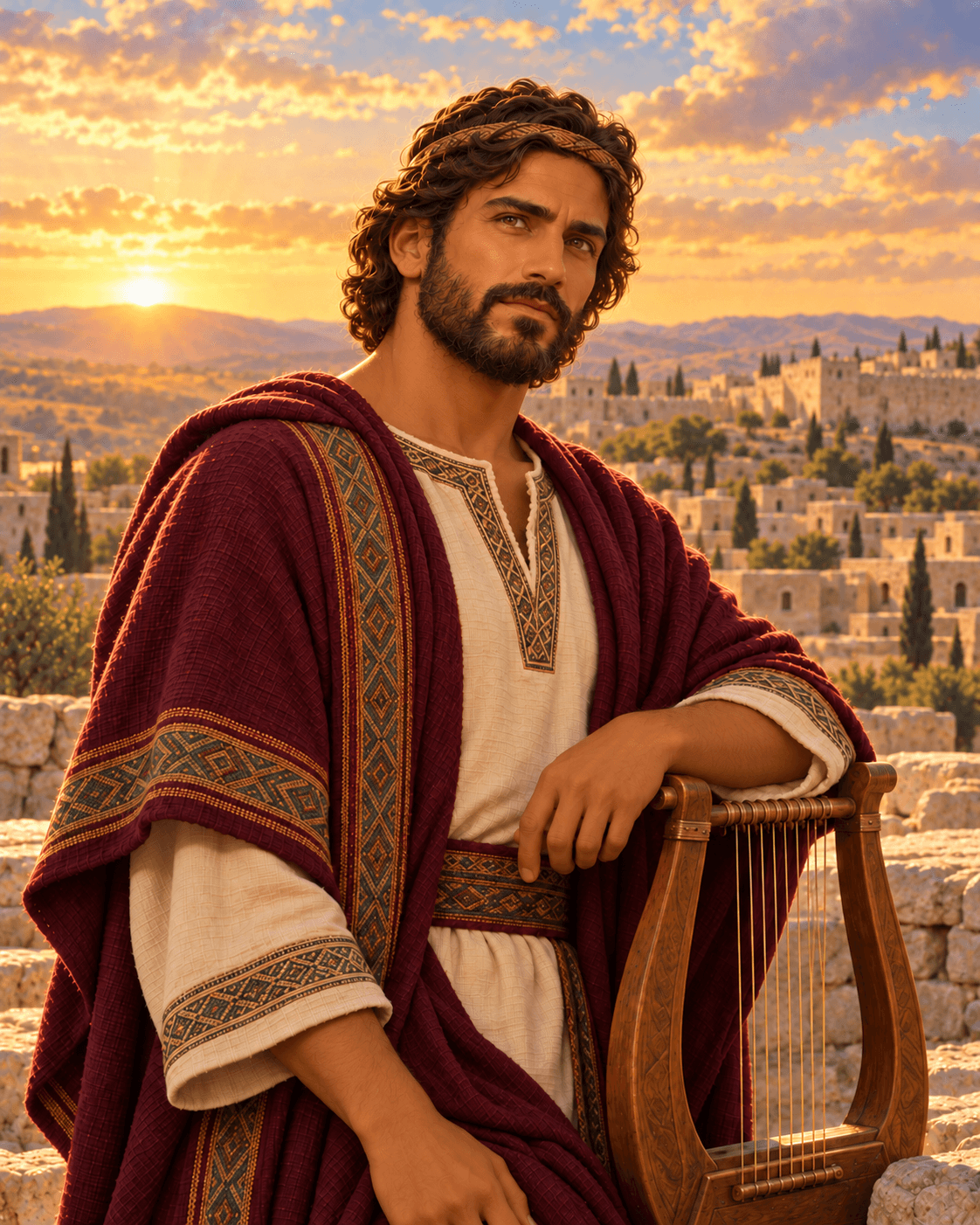 David
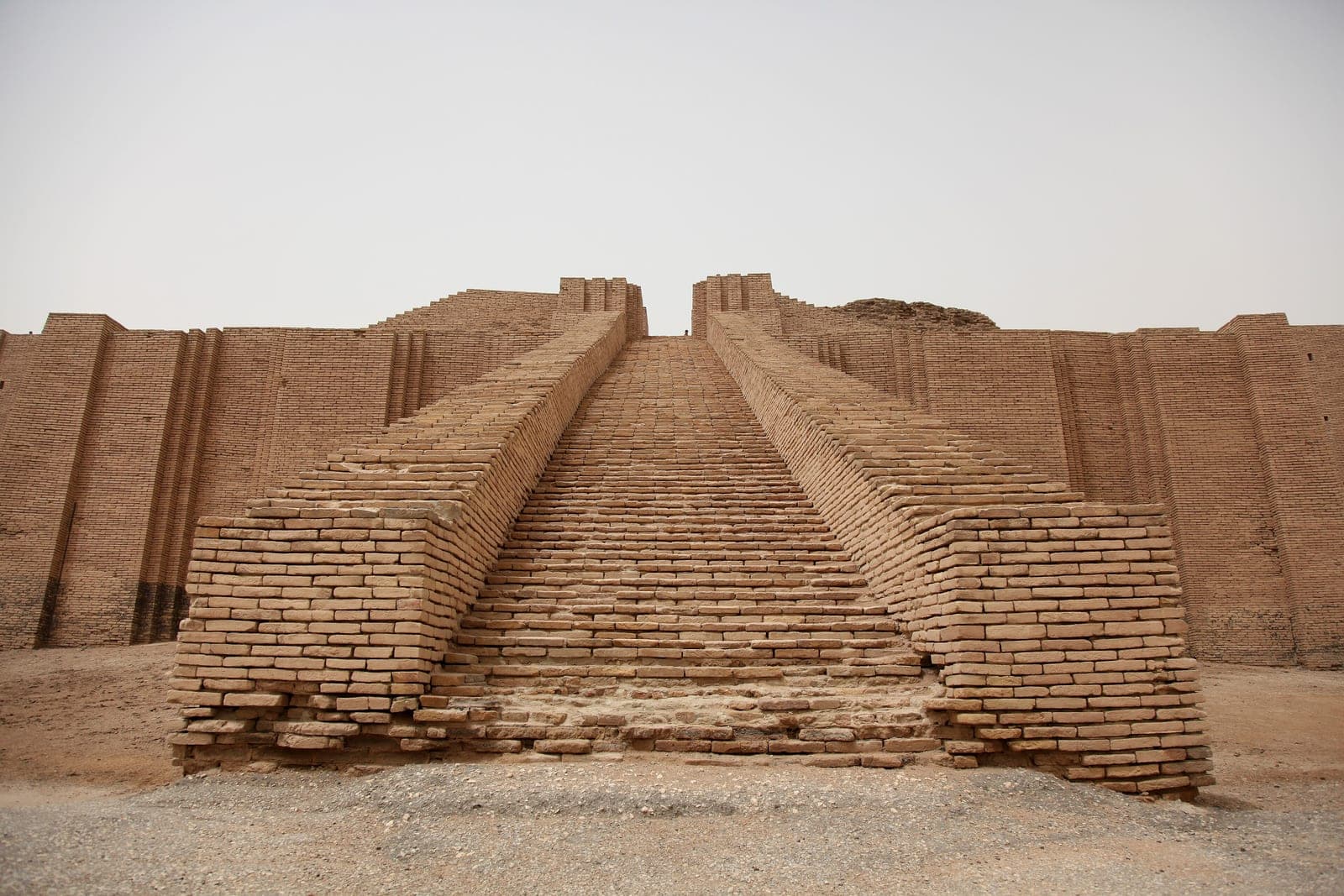
Photo: U.S. Army photo by Spc. Samantha R. Ciaramitaro, via DVIDS and Wikimedia Commons. License: Public domain in the United States — U.S. federal-government work. Source. Location: Great Ziggurat, Ur Archaeological City (Tell el-Mukayyar), Dhi Qar Governorate, Iraq. Resized for the web.
Explore the places of the Bible
See where biblical events happened, why each place matters, and what archaeology helps us understand.
Ur
The city Abram's family left to travel toward Canaan.
Get full access with one subscription
Explore the people and places of the Bible. Read summaries of every book, with images and clear explanations covering every chapter. Access all these features and our Bible study tools with one subscription.
See PlansAsk AI about 1 Samuel 24:19
Ask a question about this verse and get a clear answer, with Bible references you can read for yourself.
Every Bible book, explained chapter by chapter
Explore summaries of every book of the Bible, with images and easy-to-understand explanations covering every chapter.
Keep studying 1 Samuel 24:19
Related Bible verses
Key themes
Related topics
At a Glance — the Book of 1 Samuel
- Author
- Traditionally attributed to Samuel, Nathan, and Gad
- Written
- Around 930 BC
- Genre
- Historical narrative
- Original Audience
- The Israelites of the early monarchy
Frequently Asked Questions
Quick, clear answers about this verse
What does 1 Samuel 24:19 mean?
1 Samuel 24:19 highlights David's choice to spare Saul, his enemy, instead of seeking revenge. This act of mercy emphasizes the value of forgiveness and compassion, suggesting that such kindness deserves recognition and reward from God.
What is the meaning of mercy in 1 Samuel 24:19?
In 1 Samuel 24:19, mercy refers to David's decision to let Saul go unharmed despite having the opportunity to harm him. This illustrates the principle that showing kindness to one's enemies is a noble and rare act.
How does 1 Samuel 24:19 relate to forgiveness?
1 Samuel 24:19 relates to forgiveness by demonstrating David's willingness to forgive Saul, despite being wronged. It teaches that forgiveness can break the cycle of hostility and lead to positive outcomes.
What lesson can we learn from 1 Samuel 24:19?
The lesson from 1 Samuel 24:19 is to respond to hostility with kindness and mercy. It encourages us to consider our actions towards those who oppose us and to choose forgiveness over revenge.
Daily Verse — straight to your inbox
A verse and a 2-sentence plain-English explanation, every morning. Free. Unsubscribe anytime.