New Testament
Ephesians 2:4
Read the Bible in clear, modern English—easy to understand, faithful to the meaning, and written for everyday readers.
But God is rich in mercy, and his love for us is so great
Compare translations
But God, who is rich in mercy, for his great love wherewith he loved us,
What Ephesians 2:4 means
Plain-English insight for readers
This verse highlights the incredible nature of God’s mercy and love. It tells us that God is not just merciful; He is overflowing with mercy. His love for us is immense and beyond our understanding. This means that no matter what mistakes we make or how far we stray, God’s love is always there to welcome us back. It’s a reminder that we are valued and cherished, not because of what we do, but simply because we are loved. This love is not conditional; it’s a gift that we can always rely on. Understanding this can change how we see ourselves and others, encouraging us to extend that same mercy and love to those around us. It’s a powerful message of hope and reassurance that we are never alone in our struggles, as God’s love is always present, ready to lift us up and guide us forward. Embracing this truth can transform our lives and relationships, leading us to live with greater compassion and understanding towards ourselves and others around us. We are truly loved beyond measure.
How to apply Ephesians 2:4 to your life
Reflect on how you experience God's love and mercy in your life. Consider ways you can show that same love and mercy to others. This could be through acts of kindness, forgiveness, or simply being present for someone in need. Let this love inspire your actions daily. Remember, you are loved immensely and can share that love with others around you. You can make a difference in someone's life today by showing compassion and understanding.
Curated for this public verse page. Ephesians Summary
Explore more of the Bible
Learn the Bible through its people and places
Get to know the people in Scripture through illustrated stories, and explore the places where they lived and traveled.
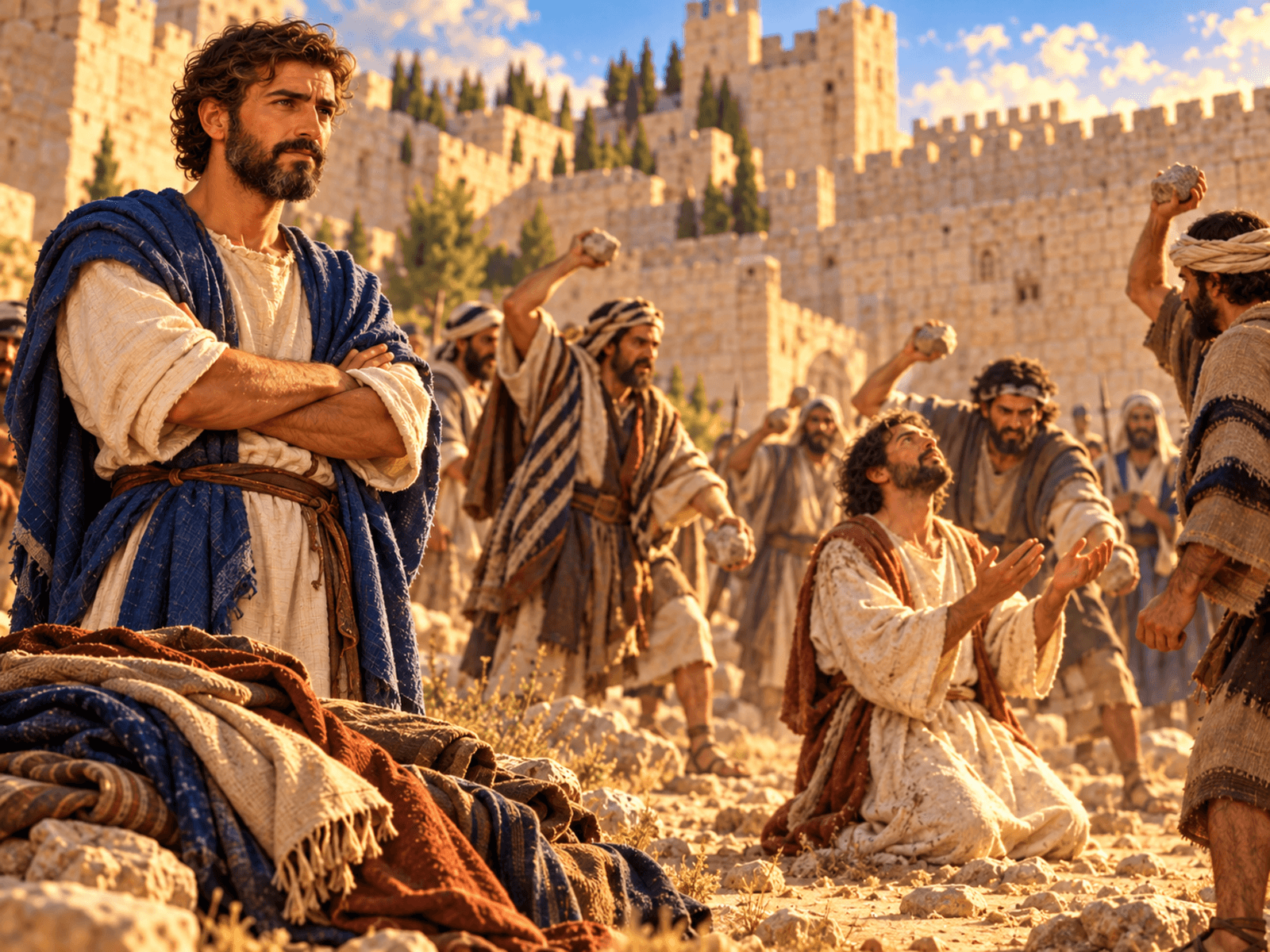
Illustrated scene from Paul's story: The Stoning of Stephen (Acts 7:57–8:2)
Meet the people of the Bible
Follow their lives in order, with illustrated scenes and Bible passages that tell their stories.
 Paul
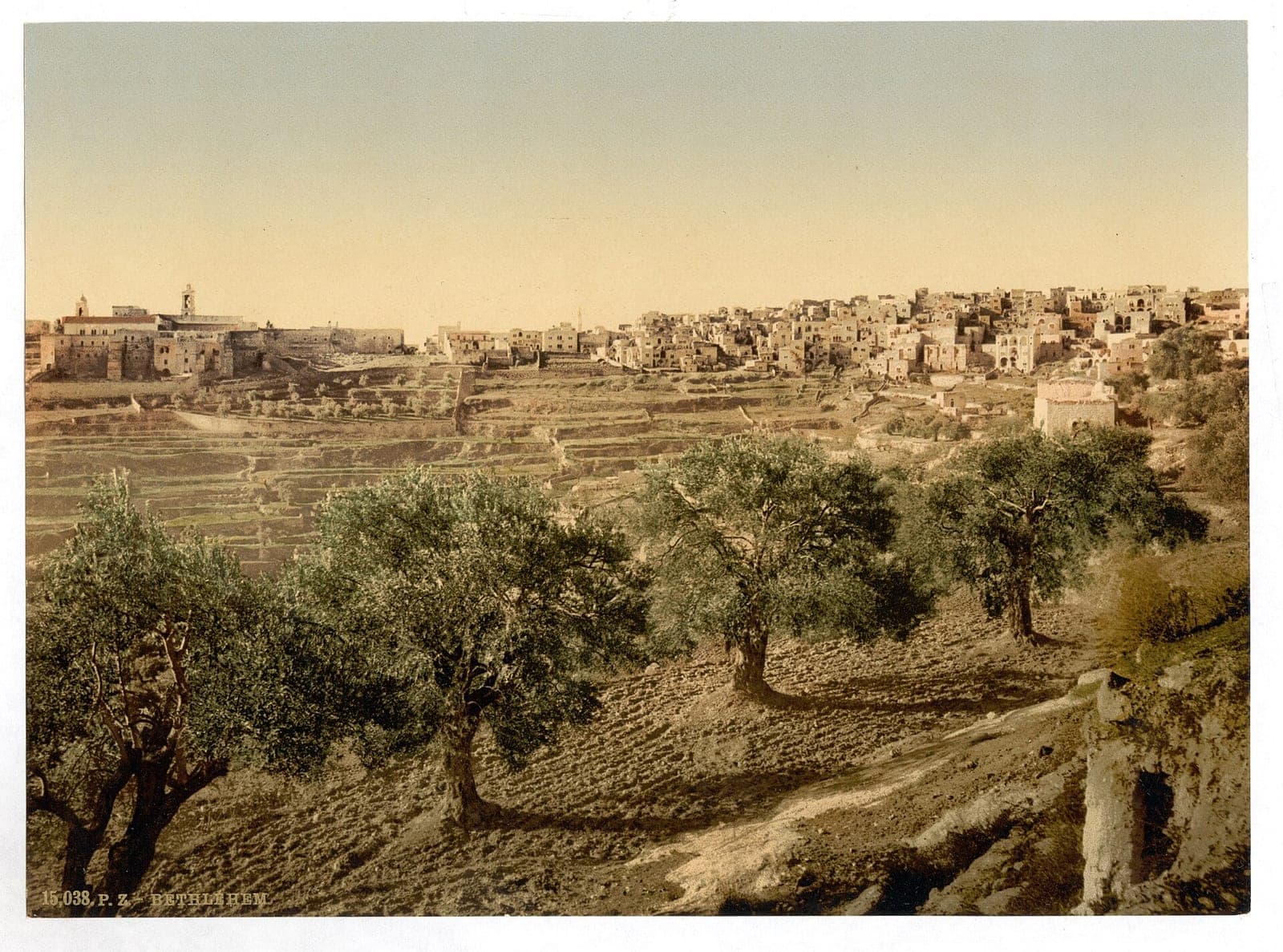
Photo: Photochrom print, Library of Congress Prints and Photographs Division (LCCN 2002724966). License: Public domain in the United States; Library of Congress states no known restrictions on publication. Source. Location: Bethlehem, West Bank; print preserved by the Library of Congress. Resized for the web.
Explore the places of the Bible
See where biblical events happened, why each place matters, and what archaeology helps us understand.
Bethlehem
David's hometown, and the town where Jesus was born.
Get full access with one subscription
Explore the people and places of the Bible. Read summaries of every book, with images and clear explanations covering every chapter. Access all these features and our Bible study tools with one subscription.
See PlansAsk AI about Ephesians 2:4
Ask a question about this verse and get a clear answer, with Bible references you can read for yourself.
Fuller verse explanations
Explore what a verse means, what was happening around it, and how it connects to other Bible passages.
Plain Meaning
This verse is the turning point in the passage. Verses 1-3 describe people who are spiritually dead, following sin and under God's wrath. Then comes "But God" — a sharp contrast. God steps in, and the reason He does is given here: He is rich in mercy, and He loves these same people greatly. The verse does not finish its own sentence; it carries straight into verse 5, where the action is stated.
Read It in Context
Verses 1-3 paint a dark picture: the readers were dead in sin, following the ways of the world, and were children of wrath. Verse 4 breaks that picture with "But God". The full thought runs through verse 5: God, because of His mercy and love, made them alive together with Christ.
The full Clear view adds what to notice, common misreadings, and the passage that best explains this one — for Ephesians 2:4 and any verse in the Bible.
Every Bible book, explained chapter by chapter
Explore summaries of every book of the Bible, with images and easy-to-understand explanations covering every chapter.
Keep studying Ephesians 2:4
Related Bible verses
Key themes
Related topics
At a Glance — the Book of Ephesians
- Author
- Paul the apostle
- Written
- Around AD 60-62
- Genre
- Letter (epistle)
- Original Audience
- The church in Ephesus
Frequently Asked Questions
Quick, clear answers about this verse
What does Ephesians 2:4 mean?
Ephesians 2:4 emphasizes God's abundant mercy and immense love for humanity. It reassures us that no matter our mistakes, God's love is always available to welcome us back.
What is the meaning of mercy in Ephesians 2:4?
In Ephesians 2:4, mercy refers to God's compassion and kindness towards us, despite our shortcomings. It highlights that God is generous in forgiving and restoring us.
How does Ephesians 2:4 relate to forgiveness?
Ephesians 2:4 relates to forgiveness by showing that God's great love and mercy allow us to be forgiven, encouraging us to extend that same forgiveness to others.
What themes are present in Ephesians 2:4?
Key themes in Ephesians 2:4 include God's mercy, unconditional love, hope, and the importance of forgiveness, reminding us of the transformative power of divine love.
Daily Verse — straight to your inbox
A verse and a 2-sentence plain-English explanation, every morning. Free. Unsubscribe anytime.