Old Testament
2 Chronicles 25:26
Read the Bible in clear, modern English—easy to understand, faithful to the meaning, and written for everyday readers.
The rest of Amaziah's acts, from beginning to end, are they not written in the book of the kings of Judah and Israel?
Compare translations
Now the rest of the acts of Amaziah, first and last, behold, are they not written in the book of the kings of Judah and Israel?
What 2 Chronicles 25:26 means
Plain-English insight for readers
This verse highlights the conclusion of Amaziah's story, suggesting that there is more to learn about his reign. It points to a historical record, the book of the kings of Judah and Israel, where his actions are documented. This implies that Amaziah's life and decisions were significant enough to be recorded for future generations. The mention of both the beginning and the end of his reign emphasizes the importance of understanding the full scope of his leadership. It invites readers to reflect on the impact of his choices and how they shaped the kingdom. By acknowledging that his acts are written down, it serves as a reminder that our actions also leave a legacy. This verse encourages us to consider how we want to be remembered and what stories will be told about us. Ultimately, it challenges us to live in a way that contributes positively to our own narratives and those of others around us, ensuring that our lives have meaning and purpose beyond our time. It’s a call to be mindful of our actions.
How to apply 2 Chronicles 25:26 to your life
Consider how your actions today will be remembered in the future. Reflect on the legacy you want to leave behind. Make choices that positively influence others and contribute to a meaningful story. Live intentionally, knowing that your life is part of a larger narrative. Aim to inspire and uplift those around you through your decisions and actions.
Curated for this public verse page. 2 Chronicles Summary
Explore more of the Bible
Learn the Bible through its people and places
Get to know the people in Scripture through illustrated stories, and explore the places where they lived and traveled.

Illustrated scene from Joseph, Jacob's son's story: Joseph Is Born (Genesis 30:22–24)
Meet the people of the Bible
Follow their lives in order, with illustrated scenes and Bible passages that tell their stories.
 Joseph, Jacob's son
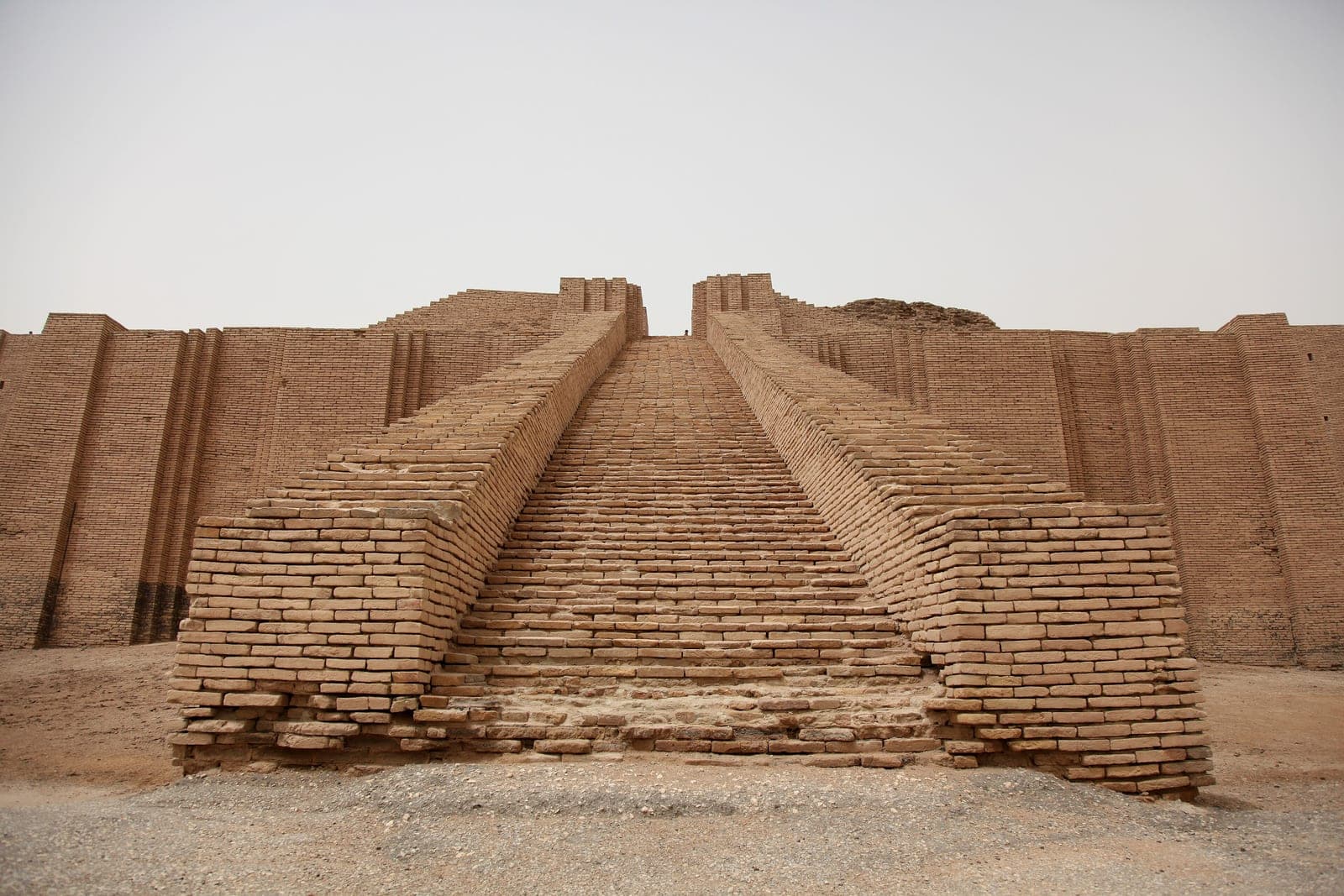
Photo: U.S. Army photo by Spc. Samantha R. Ciaramitaro, via DVIDS and Wikimedia Commons. License: Public domain in the United States — U.S. federal-government work. Source. Location: Great Ziggurat, Ur Archaeological City (Tell el-Mukayyar), Dhi Qar Governorate, Iraq. Resized for the web.
Explore the places of the Bible
See where biblical events happened, why each place matters, and what archaeology helps us understand.
Ur
The city Abram's family left to travel toward Canaan.
Get full access with one subscription
Explore the people and places of the Bible. Read summaries of every book, with images and clear explanations covering every chapter. Access all these features and our Bible study tools with one subscription.
See PlansAsk AI about 2 Chronicles 25:26
Ask a question about this verse and get a clear answer, with Bible references you can read for yourself.
Every Bible book, explained chapter by chapter
Explore summaries of every book of the Bible, with images and easy-to-understand explanations covering every chapter.
Keep studying 2 Chronicles 25:26
Related Bible verses
Key themes
Related topics
At a Glance — the Book of 2 Chronicles
- Author
- Traditionally attributed to Ezra
- Written
- Around 430 BC
- Genre
- Historical narrative
- Original Audience
- Post-exilic Jews
Frequently Asked Questions
Quick, clear answers about this verse
What does 2 Chronicles 25:26 say about Amaziah's reign?
2 Chronicles 25:26 indicates that the acts of Amaziah, both at the beginning and the end of his reign, are documented in the book of the kings of Judah and Israel. This suggests that his actions were significant enough to be recorded, inviting readers to explore the full scope of his leadership and the impact of his decisions.
Why is the book of the kings of Judah and Israel important?
The book of the kings of Judah and Israel serves as a historical record that chronicles the reigns of various kings, including their achievements and failures. It provides context for understanding the political and spiritual climate of the time, helping readers to learn from the successes and mistakes of past leaders.
What can we learn from Amaziah's story in 2 Chronicles 25:26?
Amaziah's story teaches us about the importance of legacy and the impact of our choices. His reign, documented in the historical record, encourages us to reflect on how our actions will be remembered and what kind of legacy we want to leave behind. It serves as a reminder to live intentionally and positively influence others.
How does 2 Chronicles 25:26 relate to personal legacy?
This verse emphasizes that our actions have lasting consequences and contribute to our legacy. Just as Amaziah's reign is recorded for future generations, our lives are part of a larger narrative. It challenges us to consider how we want to be remembered and to make choices that reflect our values and positively impact those around us.
Daily Verse — straight to your inbox
A verse and a 2-sentence plain-English explanation, every morning. Free. Unsubscribe anytime.