Old Testament
2 Chronicles 6:7
Read the Bible in clear, modern English—easy to understand, faithful to the meaning, and written for everyday readers.
My father David had it in his heart to build a house for the name of the LORD, the God of Israel.
Compare translations
Now it was in the heart of David my father to build an house for the name of the LORD God of Israel.
What 2 Chronicles 6:7 means
Plain-English insight for readers
David, the father of Solomon, had a deep desire to create a special place for God. He envisioned a magnificent temple that would honor the name of the Lord, the God of Israel. This dream reflected David's love and respect for God. Although David was not allowed to build the temple himself, his intentions were pure and heartfelt. His vision laid the groundwork for Solomon to fulfill this dream. This moment highlights the importance of having a purpose that goes beyond oneself. It shows how our aspirations can impact future generations. David's desire to honor God serves as a reminder that our dreams can be significant, even if we don't see them come to fruition ourselves. It encourages us to think about what legacy we want to leave behind and how we can inspire others to pursue noble goals. David's heart for God is a powerful example of devotion and commitment to something greater than ourselves, urging us to consider what we can do for the world around us and for future generations.
How to apply 2 Chronicles 6:7 to your life
Consider what dreams you have that could benefit others. Reflect on how your aspirations can create a positive impact, even if you may not see them realized. Think about the legacy you want to leave and how you can inspire those around you to pursue meaningful goals. Your intentions matter, and they can shape the future in profound ways. Act on your dreams with purpose and passion, knowing they can influence generations to come.
Curated for this public verse page. 2 Chronicles Summary
Learn the Bible through its people and places
Get to know the people in Scripture through illustrated stories, and explore the places where they lived and traveled.
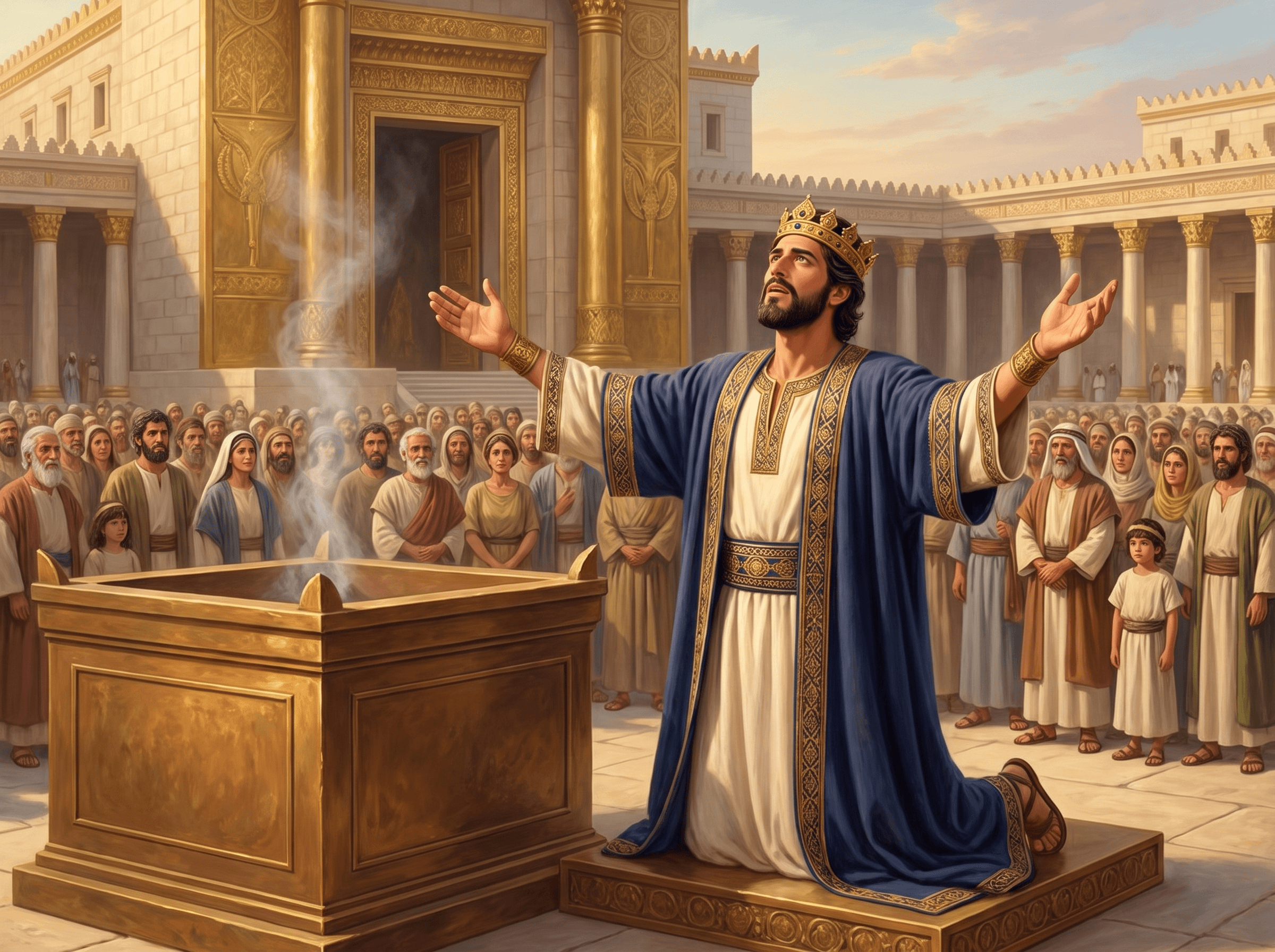
Illustrated scene from Solomon's story: The Prayer of Dedication (2 Chronicles 6:1–42)
Meet the people of the Bible
Follow their lives in order, with illustrated scenes and Bible passages that tell their stories.
 Solomon

Photo: U.S. Army photo by Spc. Samantha R. Ciaramitaro, via DVIDS and Wikimedia Commons. License: Public domain in the United States — U.S. federal-government work. Source. Location: Great Ziggurat, Ur Archaeological City (Tell el-Mukayyar), Dhi Qar Governorate, Iraq. Resized for the web.
Explore the places of the Bible
See where biblical events happened, why each place matters, and what archaeology helps us understand.
Ur
The city Abram's family left to travel toward Canaan.
Get full access with one subscription
Explore the people and places of the Bible. Read summaries of every book, with images and clear explanations covering every chapter. Access all these features and our Bible study tools with one subscription.
See PlansAsk AI about 2 Chronicles 6:7
Ask a question about this verse and get a clear answer, with Bible references you can read for yourself.
Every Bible book, explained chapter by chapter
Explore summaries of every book of the Bible, with images and easy-to-understand explanations covering every chapter.
Keep studying 2 Chronicles 6:7
Related Bible verses
At a Glance — the Book of 2 Chronicles
- Author
- Traditionally attributed to Ezra
- Written
- Around 430 BC
- Genre
- Historical narrative
- Original Audience
- Post-exilic Jews
Frequently Asked Questions
Quick, clear answers about this verse
What does 2 Chronicles 6:7 teach about David's intentions?
2 Chronicles 6:7 reveals that David had a sincere desire to build a temple for the Lord, showcasing his deep love and respect for God. This verse highlights the importance of having noble aspirations that honor God, even if one cannot fulfill them personally. David's intentions set the stage for his son Solomon to complete the temple, illustrating how our dreams can influence future generations.
Why was David not allowed to build the temple?
David was not allowed to build the temple because he was a warrior who had shed much blood in battle. God chose Solomon, his son, to construct the temple instead. This decision emphasizes God's plan and timing, showing that sometimes our desires may not align with God's purpose for us, yet our intentions can still pave the way for others to achieve great things.
How can I apply the lessons from 2 Chronicles 6:7 in my life?
You can apply the lessons from 2 Chronicles 6:7 by reflecting on your own dreams and aspirations that could benefit others. Consider how your intentions can create a positive impact, even if you may not see them realized in your lifetime. Think about the legacy you want to leave behind and how you can inspire those around you to pursue meaningful goals, acting on your dreams with purpose and passion.
What is the significance of building a house for God?
Building a house for God, as David desired, symbolizes creating a sacred space for worship and honoring God's presence. It reflects a commitment to serve and glorify God, demonstrating devotion and reverence. This act of building a temple represents the importance of dedicating our lives and resources to God, fostering a community of faith, and leaving a lasting impact on future generations.
Daily Verse — straight to your inbox
A verse and a 2-sentence plain-English explanation, every morning. Free. Unsubscribe anytime.