New Testament
2 Corinthians 12:13
Read the Bible in clear, modern English—easy to understand, faithful to the meaning, and written for everyday readers.
In what way were you treated as less than the other churches, except that I was not a burden to you? Forgive me for this wrong.
Compare translations
For what is it wherein ye were inferior to other churches, except it be that I myself was not burdensome to you? forgive me this wrong.
What 2 Corinthians 12:13 means
Plain-English insight for readers
In this verse, Paul is addressing the church in Corinth and questioning why they felt inferior compared to other churches. He points out that the only difference was that he did not ask them for financial support, which he refers to as being a burden. Paul seems to regret that his choice not to be a financial burden might have made them feel less valued or important. He is essentially asking for their forgiveness for this perceived wrong. This highlights the importance of mutual support and respect within a community. Paul’s concern shows that he values their feelings and wants to ensure they understand his intentions. He emphasizes that his love for them is genuine and not based on financial transactions. This moment reveals the complexities of relationships within the church and the need for open communication. It encourages us to reflect on how our actions might affect others, even when our intentions are good. Understanding and addressing these feelings can strengthen our connections with one another.
How to apply 2 Corinthians 12:13 to your life
Consider how your actions might impact others, even if your intentions are good. Reflect on your relationships and ensure that you communicate openly with those around you. Being mindful of how you support others can strengthen your connections and foster a sense of belonging. Don't hesitate to apologize if you sense someone feels undervalued or overlooked. This can lead to deeper understanding and stronger bonds in your community.
Curated for this public verse page. 2 Corinthians Summary
Explore more of the Bible
Learn the Bible through its people and places
Get to know the people in Scripture through illustrated stories, and explore the places where they lived and traveled.

Illustrated scene from Paul's story: The Stoning of Stephen (Acts 7:57–8:2)
Meet the people of the Bible
Follow their lives in order, with illustrated scenes and Bible passages that tell their stories.
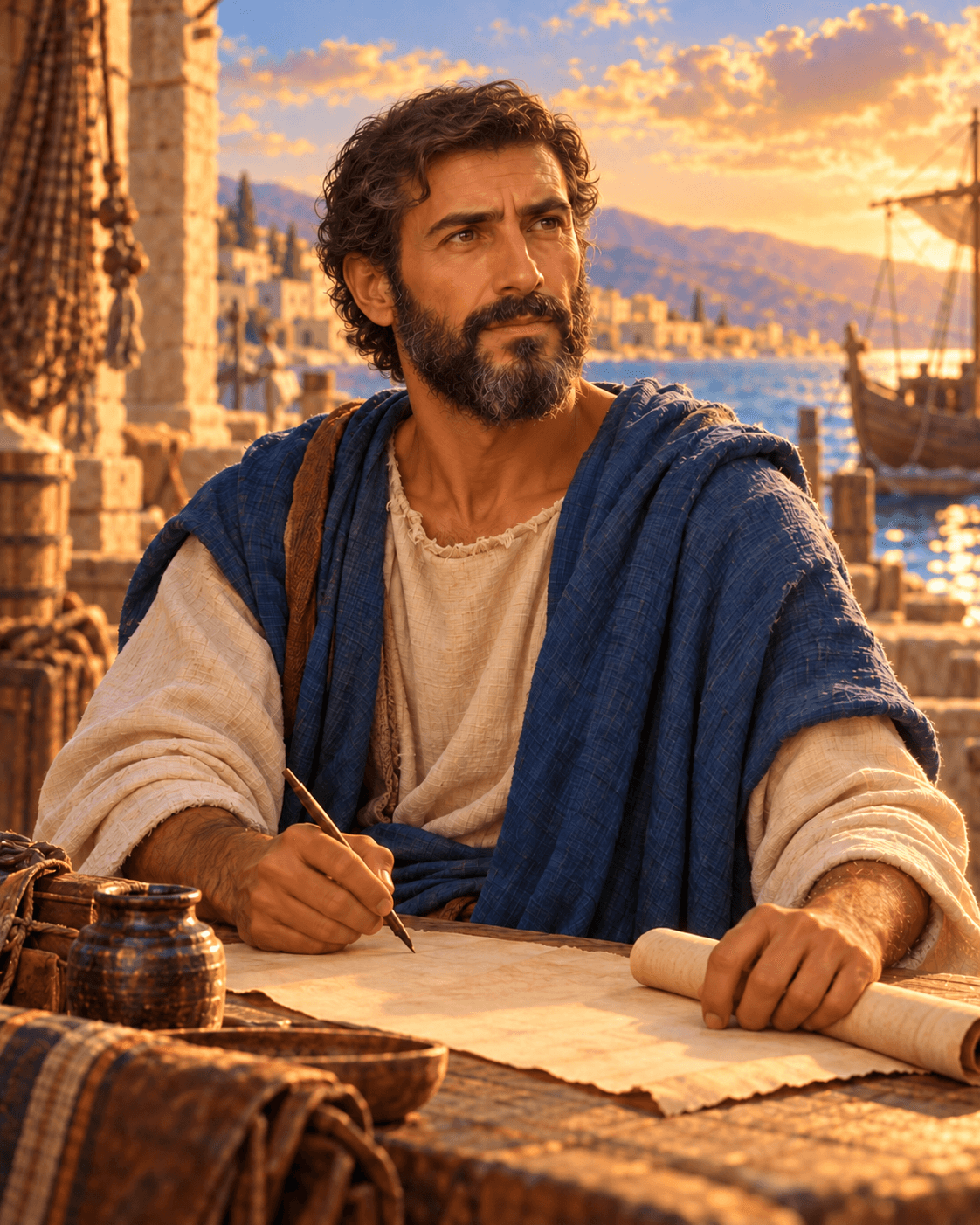 Paul
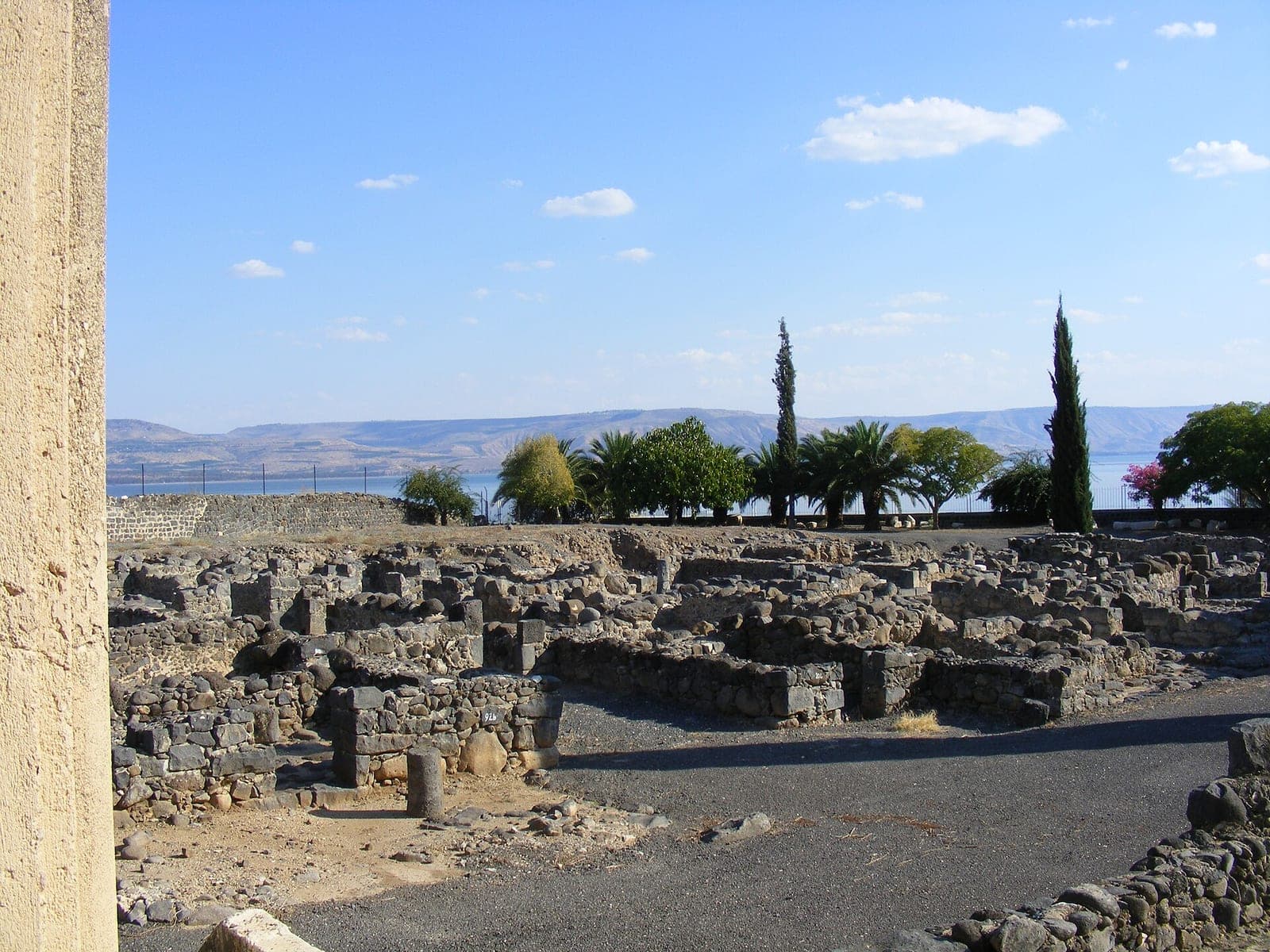
Photo: zeevveez, via Wikimedia Commons. License: CC BY 2.0. Source. Location: Capernaum, on the northern shore of the Sea of Galilee. Resized for the web.
Explore the places of the Bible
See where biblical events happened, why each place matters, and what archaeology helps us understand.
Capernaum
Jesus' home base by the Sea of Galilee, and the town where Peter lived.
Get full access with one subscription
Explore the people and places of the Bible. Read summaries of every book, with images and clear explanations covering every chapter. Access all these features and our Bible study tools with one subscription.
See PlansAsk AI about 2 Corinthians 12:13
Ask a question about this verse and get a clear answer, with Bible references you can read for yourself.
Every Bible book, explained chapter by chapter
Explore summaries of every book of the Bible, with images and easy-to-understand explanations covering every chapter.
Keep studying 2 Corinthians 12:13
Related Bible verses
Key themes
At a Glance — the Book of 2 Corinthians
- Author
- Paul the apostle
- Written
- Around AD 56
- Genre
- Letter (epistle)
- Original Audience
- The church in Corinth
Frequently Asked Questions
Quick, clear answers about this verse
What does 2 Corinthians 12:13 mean?
In 2 Corinthians 12:13, Paul is questioning why the Corinthian church feels inferior to others, noting that the only difference is that he did not ask them for financial support. He expresses regret that his choice not to be a burden may have made them feel less valued.
What is the meaning of 'burdensome' in 2 Corinthians 12:13?
In this verse, 'burdensome' refers to the financial support that Paul chose not to request from the Corinthian church. He implies that by not being a financial burden, he unintentionally made them feel inferior to other churches.
Why does Paul ask for forgiveness in 2 Corinthians 12:13?
Paul asks for forgiveness because he feels that his decision not to be a financial burden may have led the Corinthian church to feel undervalued or less important compared to other churches.
How can I apply the message of 2 Corinthians 12:13 in my life?
You can apply the message by being mindful of how your actions affect others, ensuring open communication in your relationships, and being willing to apologize if someone feels overlooked or undervalued.
Daily Verse — straight to your inbox
A verse and a 2-sentence plain-English explanation, every morning. Free. Unsubscribe anytime.