Old Testament
2 Kings 14:29
Read the Bible in clear, modern English—easy to understand, faithful to the meaning, and written for everyday readers.
Jeroboam died and was buried with the kings of Israel. His son Zachariah succeeded him as king.
Compare translations
And Jeroboam slept with his fathers, even with the kings of Israel; and Zachariah his son reigned in his stead.
What 2 Kings 14:29 means
Plain-English insight for readers
Jeroboam, a significant figure in Israel's history, passed away and was laid to rest among the kings of Israel. His reign was marked by both achievements and challenges, reflecting the complexities of leadership. Following his death, his son Zachariah took over the throne, continuing the lineage of kings. This transition highlights the importance of legacy and succession in leadership roles. Jeroboam's life serves as a reminder of the impact one can have on a nation, for better or worse. The story of his reign and the subsequent rise of Zachariah illustrates the ongoing cycle of leadership and the responsibilities that come with it. Each king leaves a mark, shaping the future of their people. As we reflect on this, we can consider how our actions today influence those who will follow us, whether in our families, communities, or workplaces. The choices we make can create a lasting legacy, just as Jeroboam's did for his son and the nation of Israel. Understanding this can inspire us to lead with intention and purpose.
How to apply 2 Kings 14:29 to your life
Consider how your actions today will affect those who come after you. Whether in your family, workplace, or community, strive to lead with integrity and purpose. Your choices can create a positive legacy that inspires others to follow in your footsteps. Reflect on the kind of leader you want to be and act accordingly. Every decision counts in shaping the future for others around you.
Curated for this public verse page. 2 Kings Summary
Explore more of the Bible
Learn the Bible through its people and places
Get to know the people in Scripture through illustrated stories, and explore the places where they lived and traveled.

Illustrated scene from Ruth's story: Three Widows (Ruth 1:1–5)
Meet the people of the Bible
Follow their lives in order, with illustrated scenes and Bible passages that tell their stories.
 Ruth
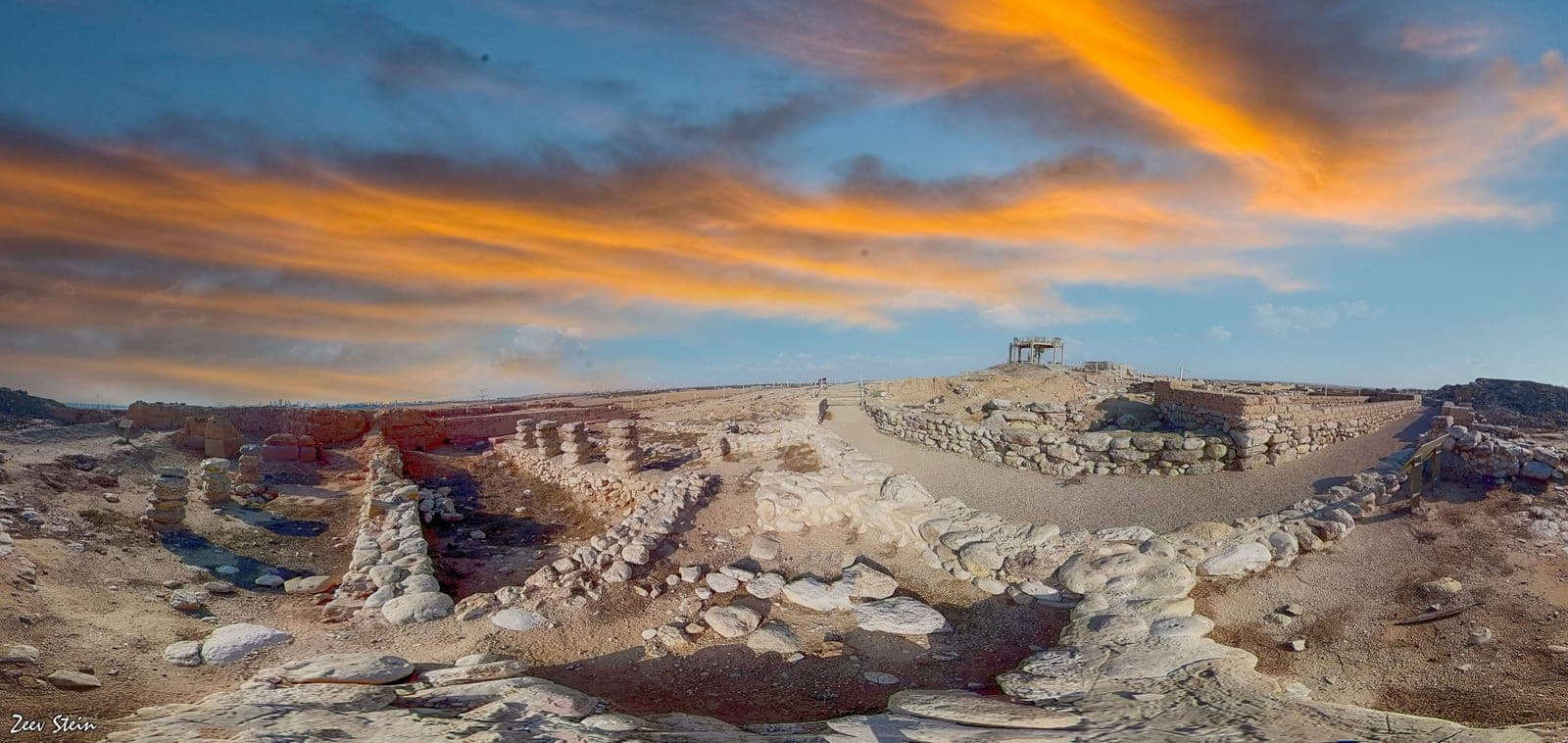
Photo: Zeev Stein / PikiWiki Israel, via Wikimedia Commons. License: CC BY 2.5. Source. Location: Tel Beer Sheva National Park, Israel. Resized for the web.
Explore the places of the Bible
See where biblical events happened, why each place matters, and what archaeology helps us understand.
Beersheba
Where Abraham and Isaac dug wells and worshiped the LORD, at the southern edge of the land.
Get full access with one subscription
Explore the people and places of the Bible. Read summaries of every book, with images and clear explanations covering every chapter. Access all these features and our Bible study tools with one subscription.
See PlansAsk AI about 2 Kings 14:29
Ask a question about this verse and get a clear answer, with Bible references you can read for yourself.
Every Bible book, explained chapter by chapter
Explore summaries of every book of the Bible, with images and easy-to-understand explanations covering every chapter.
Keep studying 2 Kings 14:29
Related Bible verses
Key themes
Related topics
At a Glance — the Book of 2 Kings
- Author
- Author unknown; possibly Jeremiah
- Written
- Around 560 BC
- Genre
- Historical narrative
- Original Audience
- Exiled Israelites in Babylon
Frequently Asked Questions
Quick, clear answers about this verse
What does 2 Kings 14:29 mean?
2 Kings 14:29 describes the death of Jeroboam, a king of Israel, and the succession of his son Zachariah. It highlights the transition of power within the royal lineage and reflects on the significance of leadership in Israel's history.
What is the significance of Jeroboam's death in 2 Kings 14:29?
Jeroboam's death marks the end of his reign, which was characterized by both accomplishments and failures. His burial with the kings of Israel signifies his status and the legacy he left behind for his son Zachariah.
Who succeeded Jeroboam as king according to 2 Kings 14:29?
According to 2 Kings 14:29, Jeroboam was succeeded by his son Zachariah, continuing the royal lineage in Israel.
What themes are present in 2 Kings 14:29?
The themes present in 2 Kings 14:29 include leadership, legacy, and succession. The verse illustrates how each king's reign impacts the future of the nation and the importance of responsible leadership.
Daily Verse — straight to your inbox
A verse and a 2-sentence plain-English explanation, every morning. Free. Unsubscribe anytime.