New Testament
2 Peter 3:11
Read the Bible in clear, modern English—easy to understand, faithful to the meaning, and written for everyday readers.
Since everything will be destroyed like this, think about what kind of people you should be — living holy and godly lives,
Compare translations
Seeing then that all these things shall be dissolved, what manner of persons ought ye to be in all holy conversation and godliness,
What 2 Peter 3:11 means
Plain-English insight for readers
This verse reminds us that everything we see around us is temporary and will eventually come to an end. Given this reality, it prompts us to reflect on the kind of lives we lead. We are encouraged to live in a way that is holy and pleasing to God. This means making choices that align with values of kindness, integrity, and love. Our actions should reflect a commitment to a higher purpose, focusing on what truly matters. By living godly lives, we not only honor ourselves but also inspire others. This call to holiness is not just about rules; it’s about embodying a spirit of compassion and grace. In a world that often feels chaotic, our lives can be a beacon of hope and stability. Ultimately, this verse challenges us to consider our priorities and how we can contribute positively to the world around us, knowing that our time here is limited and precious. We are invited to be intentional in our daily choices, making them count for something greater than ourselves. Our lives can be a testament to the values we hold dear.
How to apply 2 Peter 3:11 to your life
To apply this verse, take a moment to evaluate your daily actions and choices. Ask yourself if they reflect the values you want to embody. Make a conscious effort to live with integrity and kindness, focusing on what truly matters in life. Remember, your actions can inspire others to do the same. Live intentionally and purposefully each day, knowing it counts for something greater than yourself.
Curated for this public verse page. 2 Peter Summary
Explore more of the Bible
Learn the Bible through its people and places
Get to know the people in Scripture through illustrated stories, and explore the places where they lived and traveled.
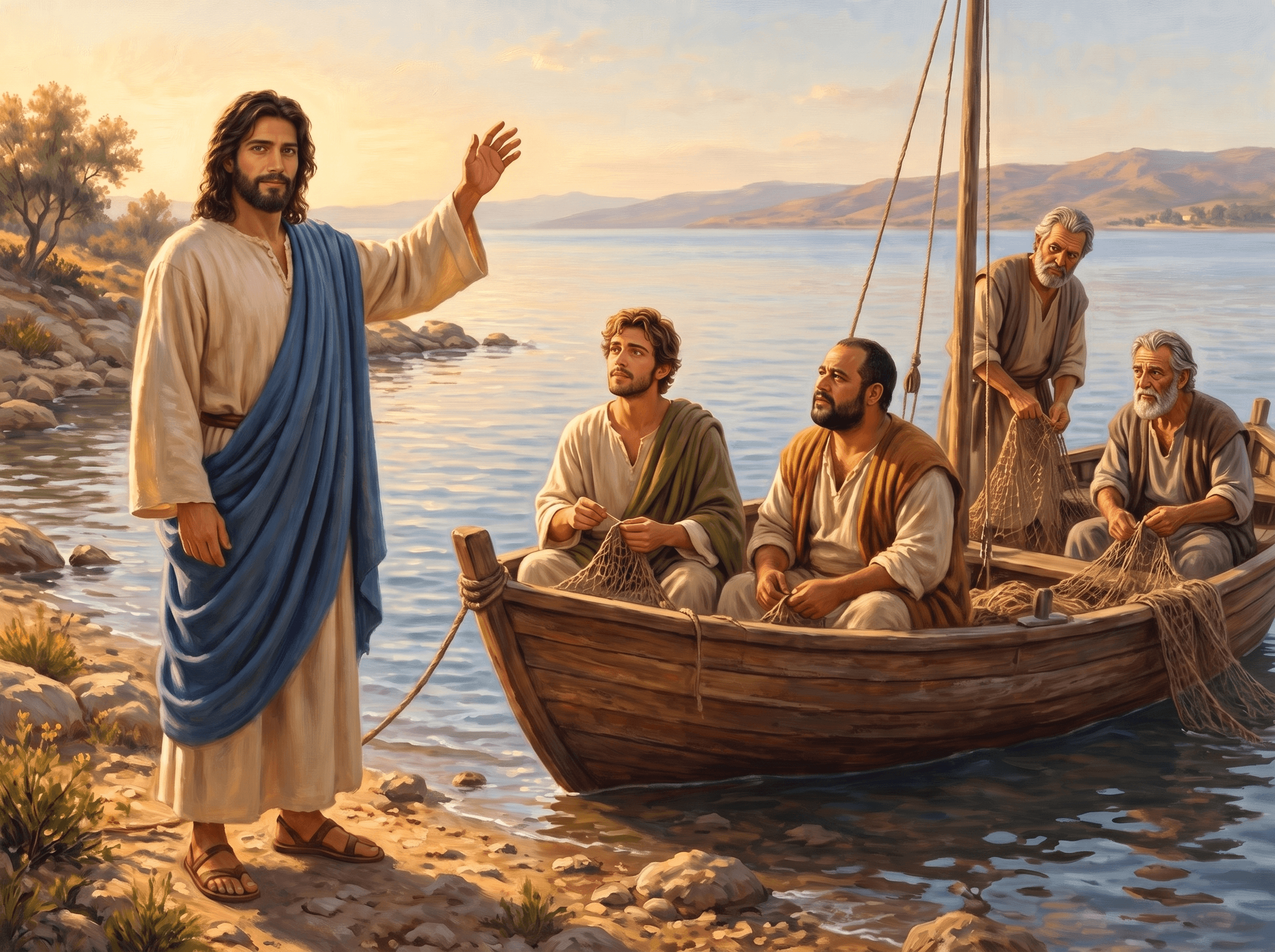
Illustrated scene from John the Apostle's story: Mending Their Nets (Mark 1:19–20)
Meet the people of the Bible
Follow their lives in order, with illustrated scenes and Bible passages that tell their stories.
 John the Apostle
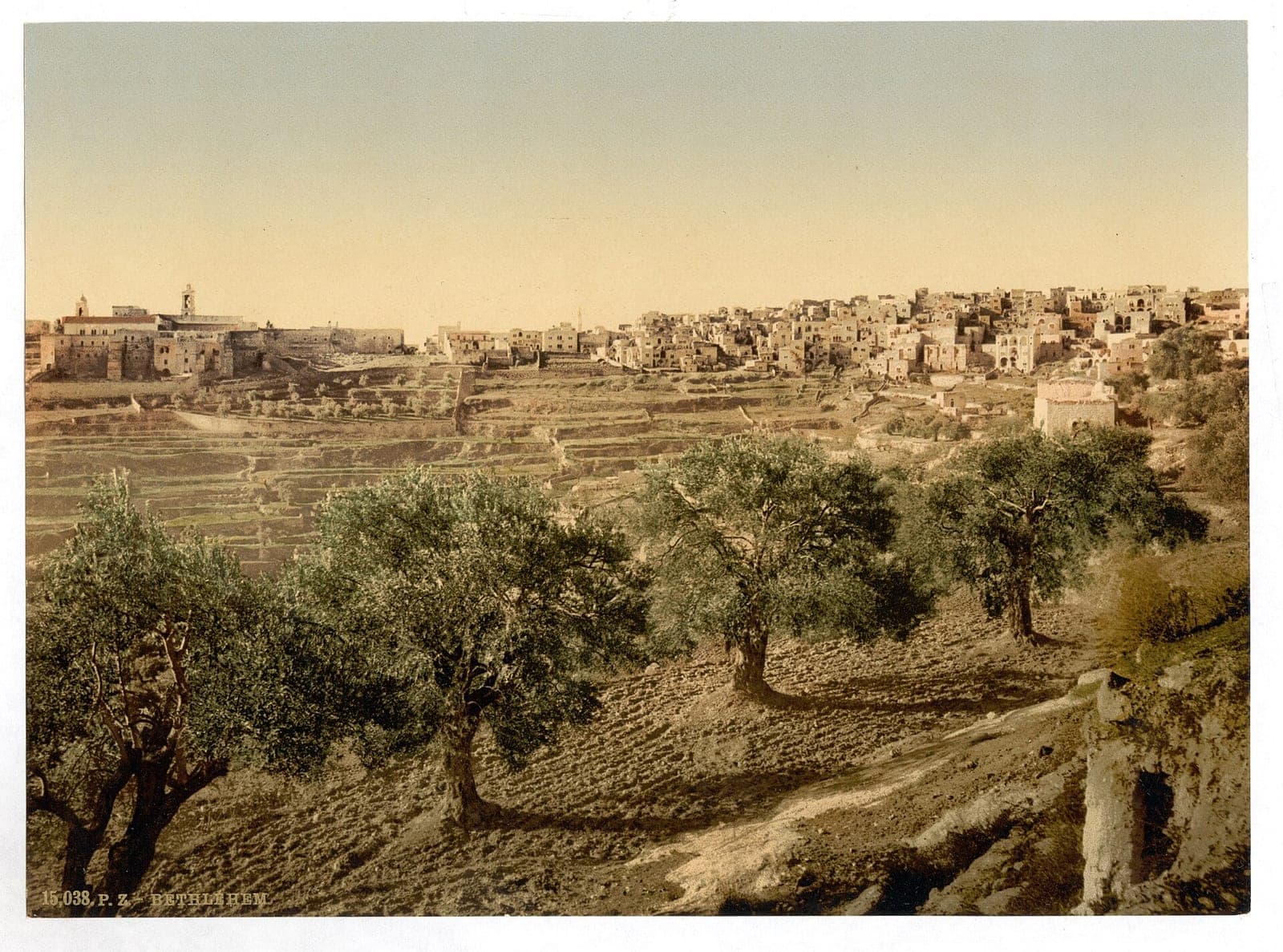
Photo: Photochrom print, Library of Congress Prints and Photographs Division (LCCN 2002724966). License: Public domain in the United States; Library of Congress states no known restrictions on publication. Source. Location: Bethlehem, West Bank; print preserved by the Library of Congress. Resized for the web.
Explore the places of the Bible
See where biblical events happened, why each place matters, and what archaeology helps us understand.
Bethlehem
David's hometown, and the town where Jesus was born.
Get full access with one subscription
Explore the people and places of the Bible. Read summaries of every book, with images and clear explanations covering every chapter. Access all these features and our Bible study tools with one subscription.
See PlansAsk AI about 2 Peter 3:11
Ask a question about this verse and get a clear answer, with Bible references you can read for yourself.
Every Bible book, explained chapter by chapter
Explore summaries of every book of the Bible, with images and easy-to-understand explanations covering every chapter.
Keep studying 2 Peter 3:11
Related Bible verses
Key themes
Related topics
At a Glance — the Book of 2 Peter
- Author
- Peter the apostle
- Written
- Around AD 65-68
- Genre
- Letter (epistle)
- Original Audience
- Christians facing false teachers
Frequently Asked Questions
Quick, clear answers about this verse
What does 2 Peter 3:11 mean by 'everything will be destroyed'?
2 Peter 3:11 refers to the eventual end of the current world and its systems, emphasizing that all material things are temporary. This destruction serves as a reminder that our focus should not be on earthly possessions but on living a life that aligns with God's values. It encourages believers to consider the impermanence of life and to prioritize spiritual growth and holiness.
How can I live a holy and godly life as mentioned in this verse?
Living a holy and godly life involves making intentional choices that reflect God's character. This includes practicing kindness, integrity, and love in your interactions with others. Regular prayer, studying the Bible, and engaging in community service can help you grow spiritually. Additionally, being mindful of your thoughts and actions, and striving to embody compassion and grace in everyday situations, will align your life with the teachings of this verse.
Why is personal reflection important in light of 2 Peter 3:11?
Personal reflection is crucial because it allows you to assess whether your life aligns with the values of holiness and godliness that 2 Peter 3:11 encourages. By taking time to evaluate your actions and priorities, you can identify areas for growth and make conscious decisions that reflect your commitment to a higher purpose. This self-examination helps you live intentionally and ensures that your choices contribute positively to your life and the lives of others.
What are some practical ways to embody the values mentioned in 2 Peter 3:11?
To embody the values of holiness and godliness, start by setting daily intentions that focus on kindness and integrity. Engage in acts of service, whether through volunteering or simply helping a neighbor. Practice gratitude and mindfulness to cultivate a positive mindset. Surround yourself with supportive community members who share similar values, and participate in discussions or activities that promote spiritual growth. These practical steps can help you live out the teachings of this verse.
Daily Verse — straight to your inbox
A verse and a 2-sentence plain-English explanation, every morning. Free. Unsubscribe anytime.