Old Testament
2 Samuel 4:3
Read the Bible in clear, modern English—easy to understand, faithful to the meaning, and written for everyday readers.
The people of Beeroth fled to Gittaim and have lived there as sojourners to this day.
Compare translations
And the Beerothites fled to Gittaim, and were sojourners there until this day.)
What 2 Samuel 4:3 means
Plain-English insight for readers
The people of Beeroth faced a crisis that forced them to leave their home. They sought refuge in Gittaim, where they became sojourners, living as temporary residents. This situation highlights the struggles of displacement and the search for safety. Even today, they continue to live in Gittaim, showing resilience in the face of adversity. Their story reflects the broader human experience of seeking belonging and stability. It reminds us that many people throughout history have had to leave their homes due to conflict or danger. The journey of the Beerothites is a testament to the enduring spirit of those who seek a place to call home, despite the challenges they face. Their legacy continues as they adapt to new surroundings while holding onto their identity and history, illustrating the importance of community and support during difficult times. This narrative encourages us to empathize with those who are displaced and to recognize the strength found in unity and perseverance.
How to apply 2 Samuel 4:3 to your life
When faced with challenges that disrupt our lives, we can find strength in community and support. Like the people of Beeroth, we may need to adapt to new circumstances. It's important to remember that our identity can remain intact, even in unfamiliar places. Let's reach out to those who are struggling and offer help and understanding. Together, we can create a sense of belonging for everyone around us.
Curated for this public verse page. 2 Samuel Summary
Explore more of the Bible
Learn the Bible through its people and places
Get to know the people in Scripture through illustrated stories, and explore the places where they lived and traveled.

Illustrated scene from Joseph, Jacob's son's story: Joseph Is Born (Genesis 30:22–24)
Meet the people of the Bible
Follow their lives in order, with illustrated scenes and Bible passages that tell their stories.
 Joseph, Jacob's son
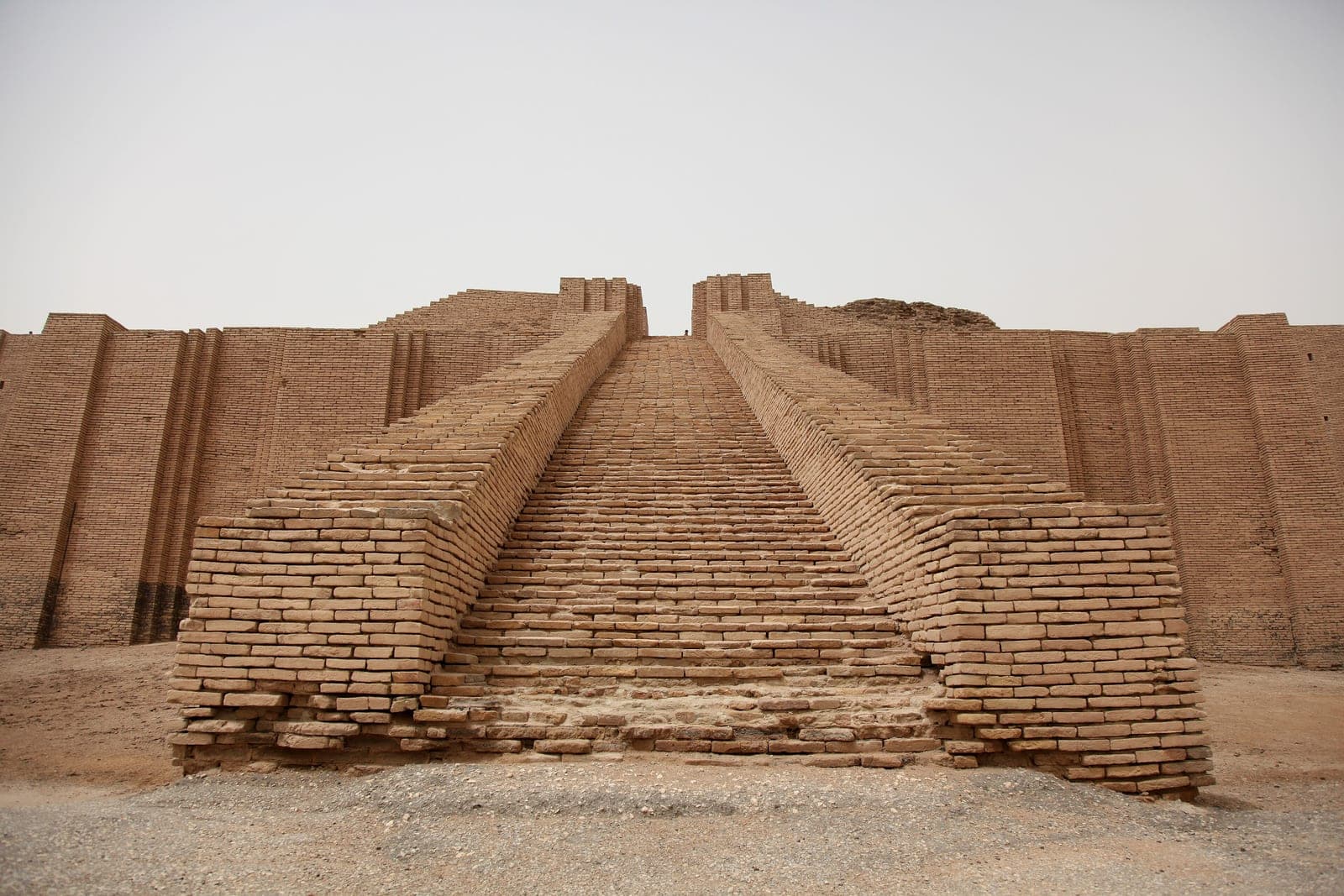
Photo: U.S. Army photo by Spc. Samantha R. Ciaramitaro, via DVIDS and Wikimedia Commons. License: Public domain in the United States — U.S. federal-government work. Source. Location: Great Ziggurat, Ur Archaeological City (Tell el-Mukayyar), Dhi Qar Governorate, Iraq. Resized for the web.
Explore the places of the Bible
See where biblical events happened, why each place matters, and what archaeology helps us understand.
Ur
The city Abram's family left to travel toward Canaan.
Get full access with one subscription
Explore the people and places of the Bible. Read summaries of every book, with images and clear explanations covering every chapter. Access all these features and our Bible study tools with one subscription.
See PlansAsk AI about 2 Samuel 4:3
Ask a question about this verse and get a clear answer, with Bible references you can read for yourself.
Every Bible book, explained chapter by chapter
Explore summaries of every book of the Bible, with images and easy-to-understand explanations covering every chapter.
Keep studying 2 Samuel 4:3
Related Bible verses
Key themes
Related topics
At a Glance — the Book of 2 Samuel
- Author
- Traditionally attributed to Samuel, Nathan, and Gad
- Written
- Around 930 BC
- Genre
- Historical narrative
- Original Audience
- The Israelites of the early monarchy
Frequently Asked Questions
Quick, clear answers about this verse
What does 2 Samuel 4:3 mean?
2 Samuel 4:3 describes how the people of Beeroth fled to Gittaim due to a crisis, becoming sojourners or temporary residents. This reflects their struggle for safety and the challenges of displacement.
What is the significance of the Beerothites in 2 Samuel 4:3?
The Beerothites symbolize resilience in the face of adversity, as they left their home seeking refuge and adapted to life in Gittaim. Their story highlights the broader human experience of seeking safety and belonging.
What themes are present in 2 Samuel 4:3?
Key themes in 2 Samuel 4:3 include displacement, resilience, community, identity, and the quest for safety. These themes resonate with the experiences of many who face challenges in their lives.
How does 2 Samuel 4:3 relate to modern issues of displacement?
2 Samuel 4:3 relates to modern issues of displacement by illustrating the struggles people face when forced to leave their homes. It encourages empathy for those seeking safety and the importance of community support.
Daily Verse — straight to your inbox
A verse and a 2-sentence plain-English explanation, every morning. Free. Unsubscribe anytime.