New Testament
Acts 14:20
Read the Bible in clear, modern English—easy to understand, faithful to the meaning, and written for everyday readers.
But as the disciples gathered around him, he rose up and went back into the city. The next day, he left with Barnabas for Derbe.
Compare translations
Howbeit, as the disciples stood round about him, he rose up, and came into the city: and the next day he departed with Barnabas to Derbe.
What Acts 14:20 means
Plain-English insight for readers
In this moment, the disciples gathered around Paul after he had been attacked and left for dead. Despite the danger he faced, Paul stood up and returned to the city where he had been harmed. This act shows his determination and commitment to his mission. The next day, he set out with Barnabas to continue their journey to Derbe. This illustrates the importance of resilience and courage in the face of adversity. Paul’s actions remind us that setbacks can be overcome and that we can rise again after difficult times. His willingness to return to the city demonstrates a deep commitment to his purpose and the people he served. It’s a powerful reminder that our challenges can lead to new opportunities and growth if we choose to face them head-on. Paul’s journey encourages us to keep moving forward, no matter the obstacles we encounter along the way. His story inspires us to be brave and to support one another in our own journeys, just as the disciples supported him in his.
How to apply Acts 14:20 to your life
When faced with challenges, remember that you can rise again, just like Paul did. Surround yourself with supportive people who encourage you. Embrace your purpose and keep moving forward, even when the path is difficult. Your determination can inspire others to do the same. Don't let setbacks define you; let them strengthen you instead.
Curated for this public verse page. Acts Summary
Learn the Bible through its people and places
Get to know the people in Scripture through illustrated stories, and explore the places where they lived and traveled.

Illustrated scene from Paul's story: Stoned and Left for Dead (Acts 14:19–28)
Meet the people of the Bible
Follow their lives in order, with illustrated scenes and Bible passages that tell their stories.
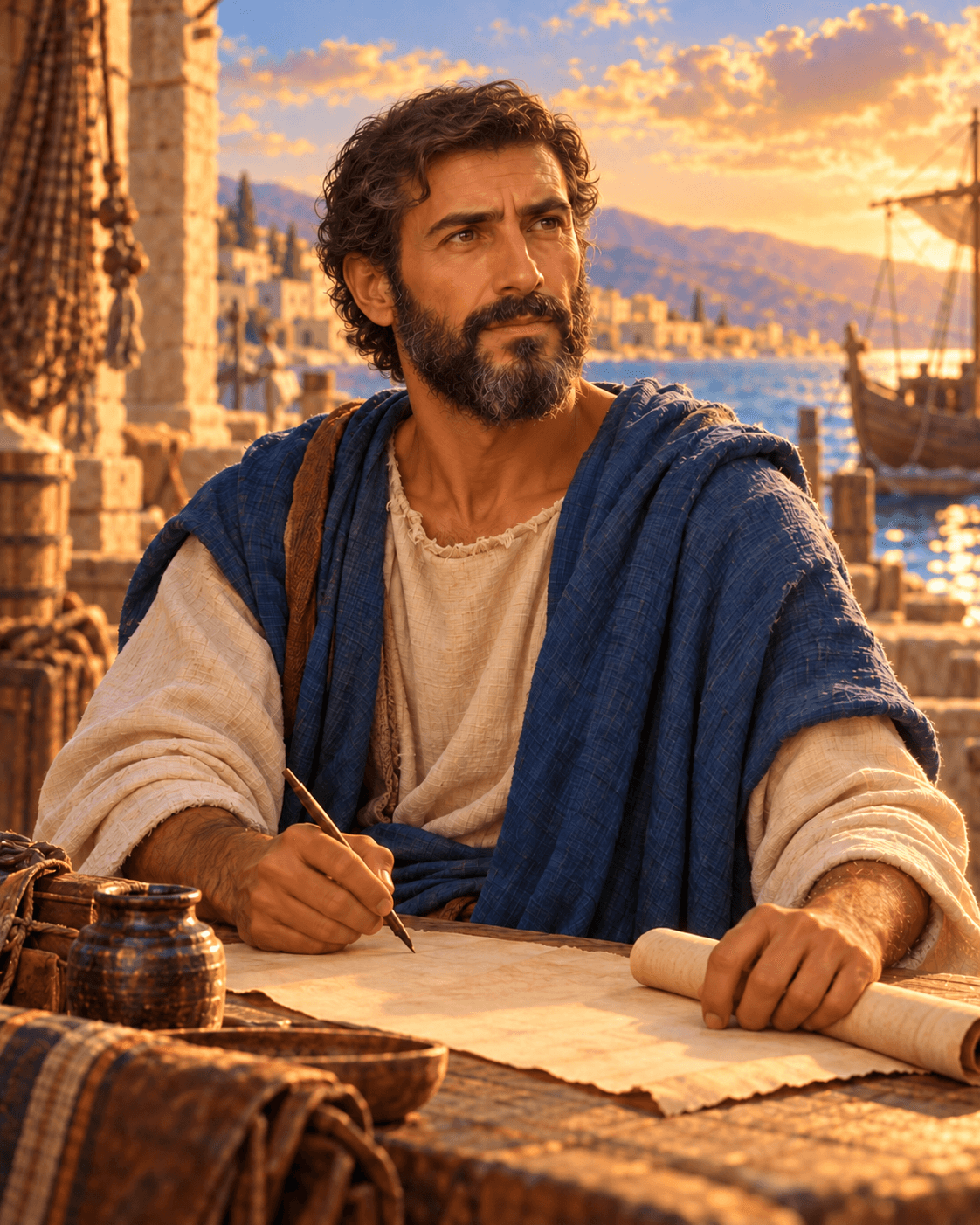 Paul
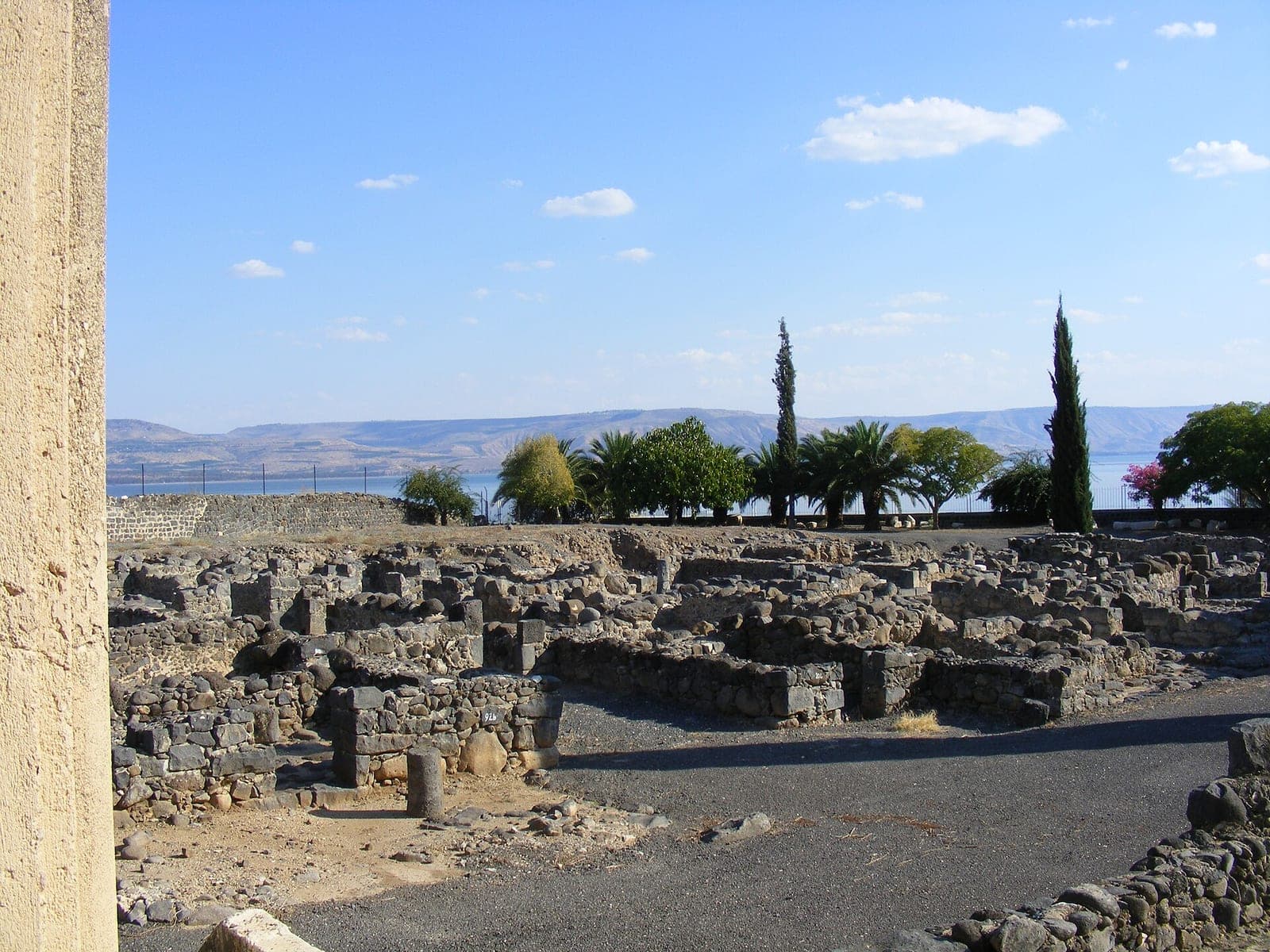
Photo: zeevveez, via Wikimedia Commons. License: CC BY 2.0. Source. Location: Capernaum, on the northern shore of the Sea of Galilee. Resized for the web.
Explore the places of the Bible
See where biblical events happened, why each place matters, and what archaeology helps us understand.
Capernaum
Jesus' home base by the Sea of Galilee, and the town where Peter lived.
Get full access with one subscription
Explore the people and places of the Bible. Read summaries of every book, with images and clear explanations covering every chapter. Access all these features and our Bible study tools with one subscription.
See PlansAsk AI about Acts 14:20
Ask a question about this verse and get a clear answer, with Bible references you can read for yourself.
Every Bible book, explained chapter by chapter
Explore summaries of every book of the Bible, with images and easy-to-understand explanations covering every chapter.
Keep studying Acts 14:20
Related Bible verses
Key themes
Related topics
At a Glance — the Book of Acts
- Author
- Luke the physician
- Written
- Around AD 62
- Genre
- Historical narrative
- Original Audience
- Gentile Christians (addressed to Theophilus)
Frequently Asked Questions
Quick, clear answers about this verse
What does Acts 14:20 mean?
Acts 14:20 describes how Paul, after being attacked and left for dead, stood up and returned to the city to continue his mission. This shows his determination and resilience in the face of adversity.
What is the significance of Paul returning to the city in Acts 14:20?
Paul's return to the city highlights his commitment to his mission and the people he served, demonstrating that setbacks do not deter his purpose.
What can we learn from Acts 14:20?
Acts 14:20 teaches us about resilience and courage, encouraging us to face challenges head-on and to support one another during difficult times.
What does the phrase 'he rose up' in Acts 14:20 signify?
The phrase 'he rose up' signifies Paul's determination to overcome his injuries and continue his work, symbolizing strength and perseverance.
Daily Verse — straight to your inbox
A verse and a 2-sentence plain-English explanation, every morning. Free. Unsubscribe anytime.