New Testament
Acts 17:20
Read the Bible in clear, modern English—easy to understand, faithful to the meaning, and written for everyday readers.
You are bringing some strange things to our ears, and we want to know what these things mean.'
Compare translations
For thou bringest certain strange things to our ears: we would know therefore what these things mean.
What Acts 17:20 means
Plain-English insight for readers
In this verse, the people are expressing their curiosity about new ideas they have never heard before. They find the teachings of Paul intriguing but also strange. This reflects a common human desire to understand the unfamiliar. When faced with new concepts, it’s natural to seek clarity. The Athenians are open to learning, showing that they value knowledge and understanding. Their willingness to ask questions highlights the importance of dialogue in exploring beliefs. This moment captures the essence of curiosity and the pursuit of truth, reminding us that asking questions is a vital part of learning. It encourages us to engage with new ideas and seek deeper understanding, even when they challenge our existing views. This openness can lead to personal growth and a broader perspective on life and faith. It’s a call to embrace the unknown and explore what it means to us personally, fostering a journey of discovery and insight into our beliefs and values. Understanding different viewpoints can enrich our lives and deepen our connections with others.
How to apply Acts 17:20 to your life
When you encounter new ideas or beliefs, take a moment to explore them. Ask questions and seek to understand rather than dismiss them outright. This approach can lead to personal growth and a deeper understanding of yourself and others. Embrace curiosity as a tool for learning and connection. It can transform your perspective on life and faith, enriching your journey ahead. “Be open to the unfamiliar.” “Seek understanding.” “Engage in dialogue.”
Curated for this public verse page. Acts Summary
Learn the Bible through its people and places
Get to know the people in Scripture through illustrated stories, and explore the places where they lived and traveled.
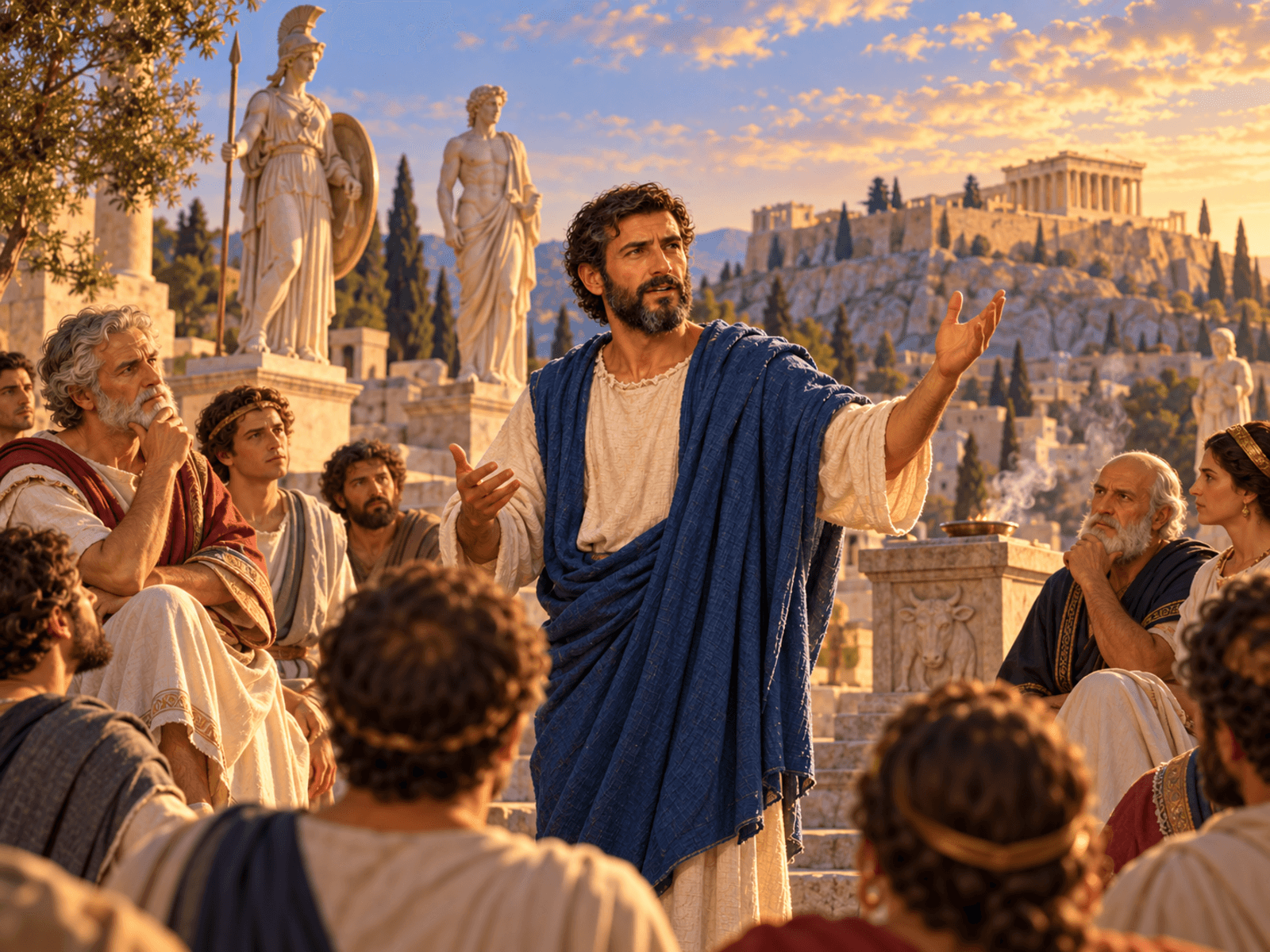
Illustrated scene from Paul's story: To an Unknown God (Acts 17:16–34)
Meet the people of the Bible
Follow their lives in order, with illustrated scenes and Bible passages that tell their stories.
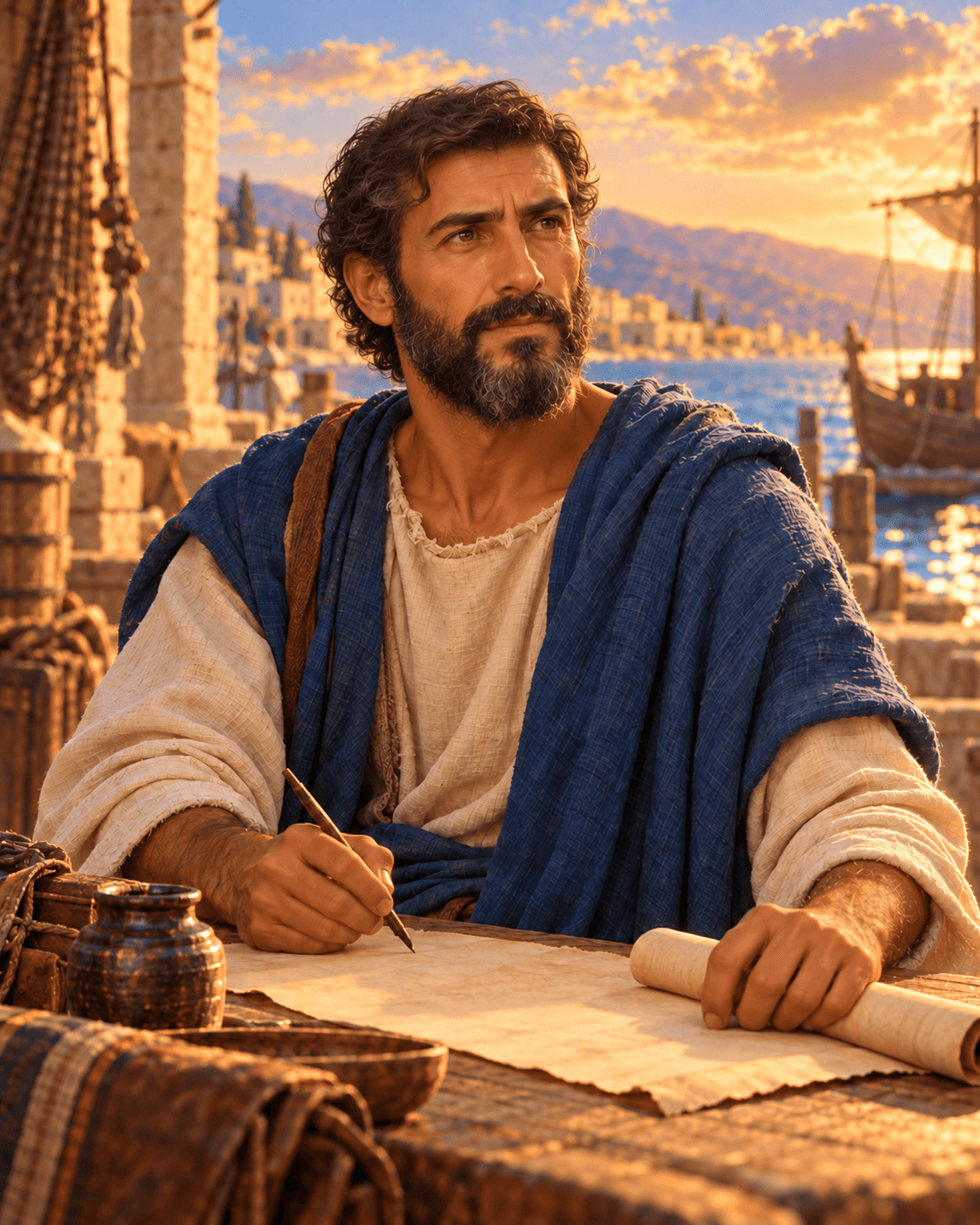 Paul

Photo: Photochrom print, Library of Congress Prints and Photographs Division (LCCN 2002725045). License: Public domain in the United States; Library of Congress states no known restrictions on publication. Source. Location: Nazareth, Israel; print preserved by the Library of Congress. Resized for the web.
Explore the places of the Bible
See where biblical events happened, why each place matters, and what archaeology helps us understand.
Nazareth
The small town in Galilee where Jesus grew up.
Get full access with one subscription
Explore the people and places of the Bible. Read summaries of every book, with images and clear explanations covering every chapter. Access all these features and our Bible study tools with one subscription.
See PlansAsk AI about Acts 17:20
Ask a question about this verse and get a clear answer, with Bible references you can read for yourself.
Every Bible book, explained chapter by chapter
Explore summaries of every book of the Bible, with images and easy-to-understand explanations covering every chapter.
Keep studying Acts 17:20
Related Bible verses
Key themes
Related topics
At a Glance — the Book of Acts
- Author
- Luke the physician
- Written
- Around AD 62
- Genre
- Historical narrative
- Original Audience
- Gentile Christians (addressed to Theophilus)
Frequently Asked Questions
Quick, clear answers about this verse
What does Acts 17:20 mean in context?
Acts 17:20 captures a moment when the Athenians, known for their philosophical pursuits, encounter the teachings of Paul. They find his ideas strange and are eager to understand them. This reflects their cultural openness to new thoughts and highlights the importance of dialogue in exploring faith and beliefs. The verse emphasizes the human desire for knowledge and understanding, encouraging us to engage with unfamiliar concepts.
How can I apply the message of Acts 17:20 in my life?
You can apply the message of Acts 17:20 by being open to new ideas and perspectives. When you encounter beliefs or concepts that challenge your own, take the time to ask questions and seek clarity. This approach fosters personal growth and enriches your understanding of the world. Embrace curiosity as a way to connect with others and expand your horizons, allowing for deeper discussions and insights.
Why is dialogue important in understanding new ideas?
Dialogue is crucial in understanding new ideas because it allows for the exchange of thoughts and perspectives. In Acts 17:20, the Athenians' willingness to ask Paul about his teachings exemplifies the value of conversation in exploring beliefs. Engaging in dialogue fosters clarity, promotes empathy, and helps bridge gaps between differing viewpoints, ultimately leading to personal growth and a richer understanding of faith.
What can Acts 17:20 teach us about curiosity?
Acts 17:20 teaches us that curiosity is an essential part of the human experience. The Athenians' desire to understand Paul's strange teachings reflects a healthy approach to learning. Curiosity drives us to ask questions, seek knowledge, and explore the unknown. This verse encourages us to embrace our inquisitive nature, reminding us that being open to new ideas can lead to personal development and deeper connections with others.
Daily Verse — straight to your inbox
A verse and a 2-sentence plain-English explanation, every morning. Free. Unsubscribe anytime.