New Testament
Acts 20:1
Read the Bible in clear, modern English—easy to understand, faithful to the meaning, and written for everyday readers.
After the uproar had ceased, Paul called the disciples together, embraced them, and departed for Macedonia.
Compare translations
And after the uproar was ceased, Paul called unto him the disciples, and embraced them, and departed for to go into Macedonia.
What Acts 20:1 means
Plain-English insight for readers
After a period of chaos and conflict, Paul gathered his followers, showing them affection and support before he left for Macedonia. This moment highlights the importance of community and connection, especially after difficult times. Paul’s embrace signifies a deep bond and mutual encouragement among the disciples. It’s a reminder that even in the face of challenges, we can find strength in our relationships. As Paul prepared to journey onward, he demonstrated leadership by prioritizing the emotional well-being of his friends. His departure was not just a physical move but also a transition in their shared mission. This passage encourages us to cherish our connections and support one another as we face life’s ups and downs. It’s a call to embrace those around us, fostering unity and resilience in our communities, especially when times are tough. Paul’s actions remind us that love and support can empower us to continue our journeys with hope and purpose, even when we must part ways.
How to apply Acts 20:1 to your life
In your own life, take time to connect with those around you, especially after challenging experiences. Show appreciation for your friends and family, and offer support when they need it. Remember that strong relationships can help you navigate difficult times and inspire you to move forward with confidence and hope. Embrace those you care about and strengthen your bonds together as you face life’s challenges. This can make a significant difference in your journey.
Curated for this public verse page. Acts Summary
Explore more of the Bible
Learn the Bible through its people and places
Get to know the people in Scripture through illustrated stories, and explore the places where they lived and traveled.
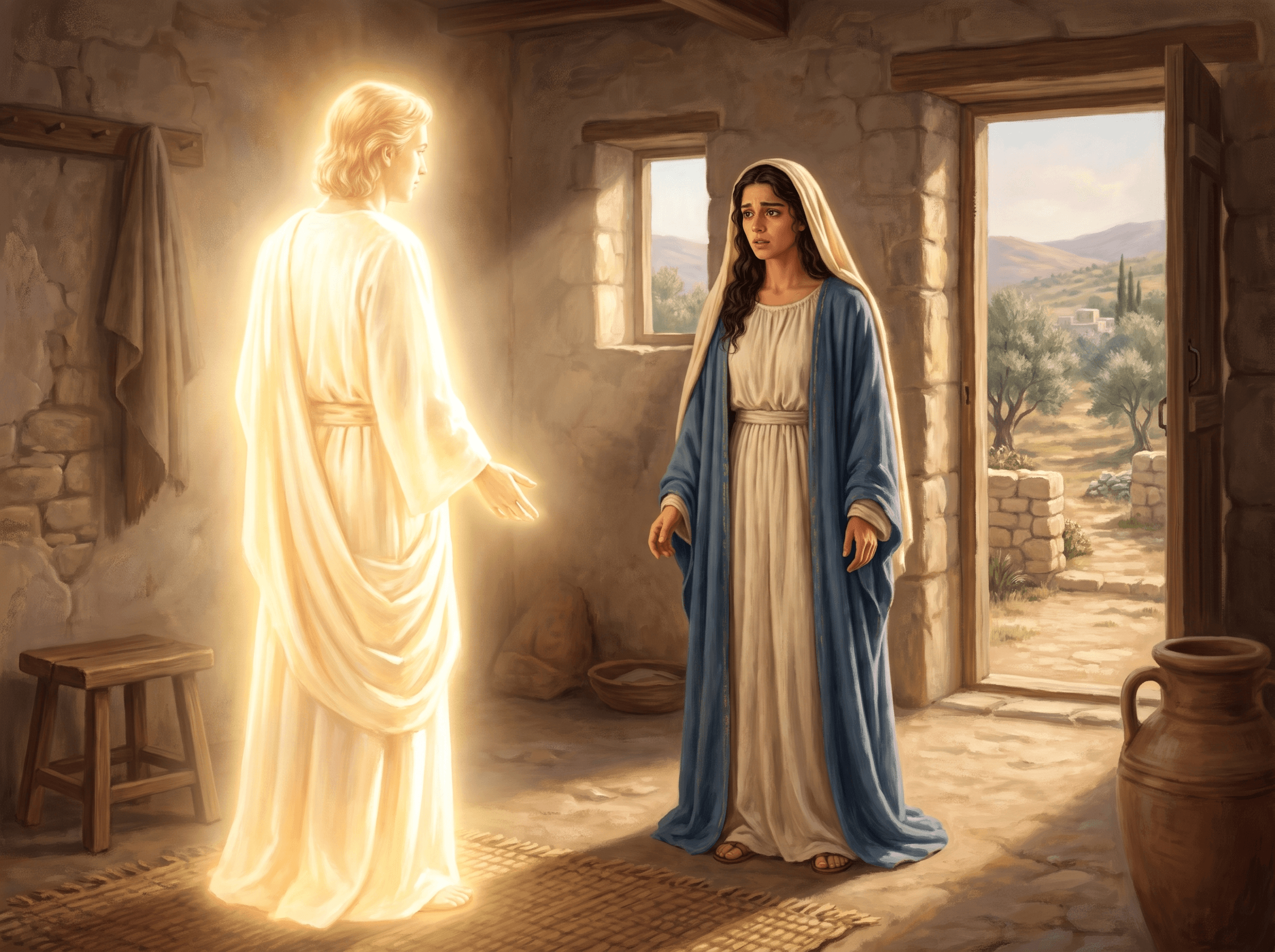
Illustrated scene from Mary, Jesus' mother's story: An Angel Visits Mary (Luke 1:26–38)
Meet the people of the Bible
Follow their lives in order, with illustrated scenes and Bible passages that tell their stories.
 Mary, Jesus' mother

Photo: Gary Todd (Gary Lee Todd, Ph.D.), via Wikimedia Commons. License: CC0 1.0 Universal Public Domain Dedication. Source. Location: Southern end of the Temple Mount, Jerusalem Old City. Resized for the web.
Explore the places of the Bible
See where biblical events happened, why each place matters, and what archaeology helps us understand.
Jerusalem
David's capital, the city of the temple, and the place where Jesus died and rose again.
Get full access with one subscription
Explore the people and places of the Bible. Read summaries of every book, with images and clear explanations covering every chapter. Access all these features and our Bible study tools with one subscription.
See PlansAsk AI about Acts 20:1
Ask a question about this verse and get a clear answer, with Bible references you can read for yourself.
Every Bible book, explained chapter by chapter
Explore summaries of every book of the Bible, with images and easy-to-understand explanations covering every chapter.
Keep studying Acts 20:1
At a Glance — the Book of Acts
- Author
- Luke the physician
- Written
- Around AD 62
- Genre
- Historical narrative
- Original Audience
- Gentile Christians (addressed to Theophilus)
Frequently Asked Questions
Quick, clear answers about this verse
What does Acts 20:1 mean?
Acts 20:1 describes a moment after a period of conflict where Paul gathers his followers, showing them affection before leaving for Macedonia. It emphasizes the importance of community and support during challenging times.
What is the significance of Paul's embrace in Acts 20:1?
Paul's embrace in Acts 20:1 signifies a deep bond and mutual encouragement among the disciples. It highlights the importance of emotional connections and support as they face challenges together.
How does Acts 20:1 relate to community?
Acts 20:1 illustrates the strength of community by showing how Paul prioritizes his relationships with the disciples after a crisis. It serves as a reminder that strong connections can help individuals navigate tough times.
What themes are present in Acts 20:1?
Acts 20:1 presents themes of community, support, leadership, connection, and resilience. It encourages readers to cherish their relationships and foster unity, especially during challenging moments.
Daily Verse — straight to your inbox
A verse and a 2-sentence plain-English explanation, every morning. Free. Unsubscribe anytime.