New Testament
Acts 27:30
Read the Bible in clear, modern English—easy to understand, faithful to the meaning, and written for everyday readers.
The sailors tried to escape from the ship by lowering the lifeboat into the sea, pretending they were going to drop anchors from the bow.
Compare translations
And as the shipmen were about to flee out of the ship, when they had let down the boat into the sea, under colour as though they would have cast anchors out of the foreship,
What Acts 27:30 means
Plain-English insight for readers
In this scene, the sailors are in a desperate situation as their ship is in danger. They decide to lower the lifeboat into the sea, pretending to drop anchors to deceive others. Their intention is to escape the ship and save themselves, showing their fear and lack of trust in the situation. This act of deception highlights the tension and panic among the crew. They are willing to abandon their responsibilities and the passengers for their own safety. This moment illustrates how fear can lead people to make questionable choices, prioritizing their own survival over the well-being of others. It serves as a reminder that in times of crisis, our instincts can sometimes lead us astray, pushing us to act selfishly rather than courageously. The sailors' actions raise questions about loyalty, trust, and the moral dilemmas faced when survival is at stake. Ultimately, this story encourages us to reflect on our own responses in challenging situations and the importance of community and support.
How to apply Acts 27:30 to your life
When faced with difficult situations, it's easy to act out of fear and prioritize our own safety. However, we should strive to support those around us, even in challenging times. Reflect on how your actions impact others and choose to act with integrity and courage. Remember, true strength often lies in unity and trust, not in selfishness.
Curated for this public verse page. Acts Summary
Learn the Bible through its people and places
Get to know the people in Scripture through illustrated stories, and explore the places where they lived and traveled.

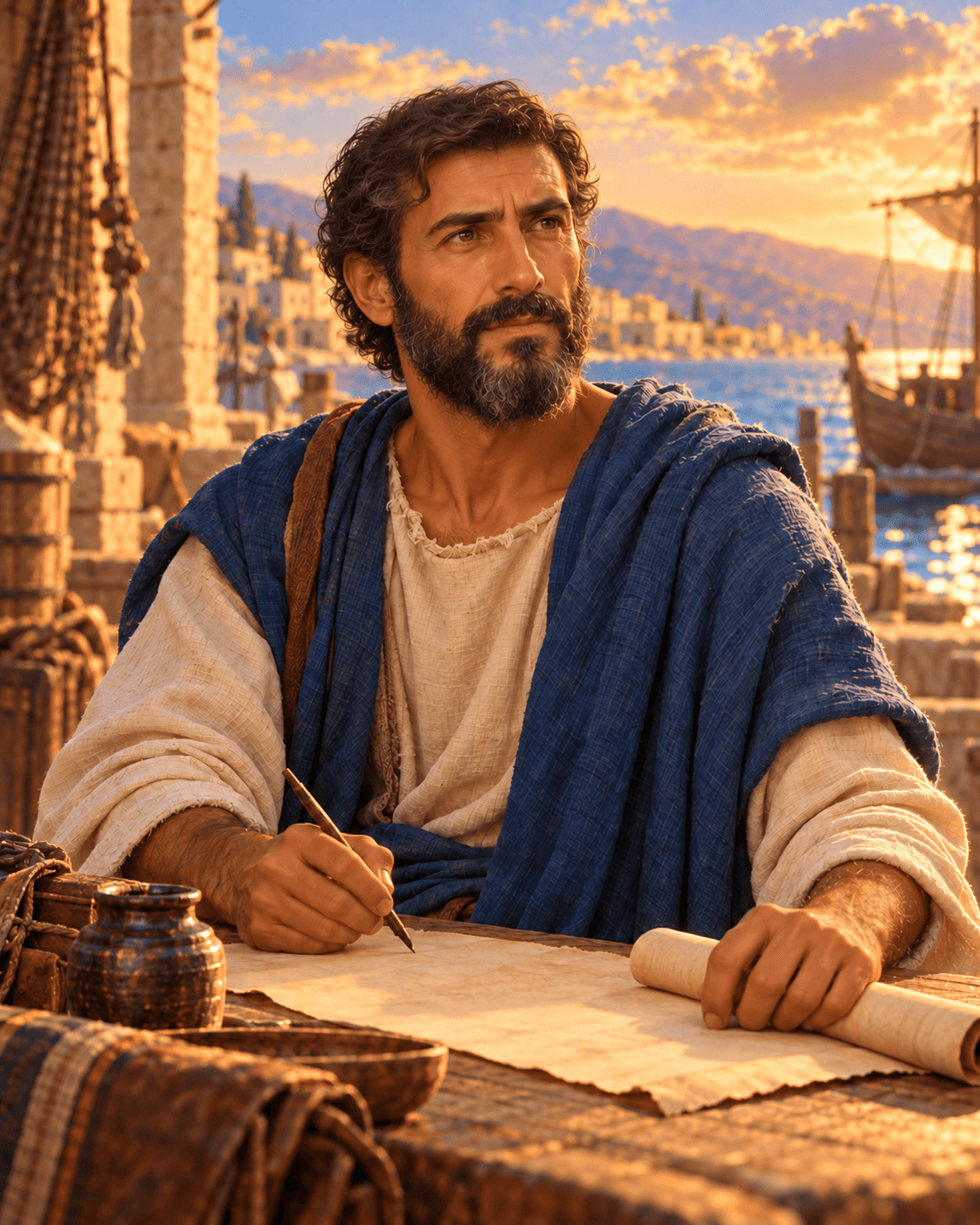
Illustrated scene from Paul's story: The Shipwreck (Acts 27:27–44)
Meet the people of the Bible
Follow their lives in order, with illustrated scenes and Bible passages that tell their stories.
 Paul

Photo: zeevveez, via Wikimedia Commons. License: CC BY 2.0. Source. Location: Capernaum, on the northern shore of the Sea of Galilee. Resized for the web.
Explore the places of the Bible
See where biblical events happened, why each place matters, and what archaeology helps us understand.
Capernaum
Jesus' home base by the Sea of Galilee, and the town where Peter lived.
Get full access with one subscription
Explore the people and places of the Bible. Read summaries of every book, with images and clear explanations covering every chapter. Access all these features and our Bible study tools with one subscription.
See PlansAsk AI about Acts 27:30
Ask a question about this verse and get a clear answer, with Bible references you can read for yourself.
Every Bible book, explained chapter by chapter
Explore summaries of every book of the Bible, with images and easy-to-understand explanations covering every chapter.
Keep studying Acts 27:30
Related Bible verses
At a Glance — the Book of Acts
- Author
- Luke the physician
- Written
- Around AD 62
- Genre
- Historical narrative
- Original Audience
- Gentile Christians (addressed to Theophilus)
Frequently Asked Questions
Quick, clear answers about this verse
What does Acts 27:30 mean?
Acts 27:30 describes a moment of panic among the sailors during a storm at sea. They attempt to escape by lowering a lifeboat while pretending to drop anchors, revealing their fear and lack of trust in the situation.
What is the significance of the sailors' actions in Acts 27:30?
The sailors' actions in Acts 27:30 highlight their desperation and willingness to abandon their responsibilities for self-preservation. This moment illustrates the moral dilemmas faced during crises and the impact of fear on decision-making.
What does the phrase 'under colour as though they would have cast anchors' mean in Acts 27:30?
The phrase 'under colour as though they would have cast anchors' means that the sailors were pretending to perform a task to disguise their true intention of escaping the ship. It emphasizes their deceitful behavior driven by fear.
How can we apply the lessons from Acts 27:30 to our lives?
Acts 27:30 teaches us to consider the impact of our actions on others, especially in tough situations. It encourages us to act with integrity and support those around us rather than succumbing to fear and selfishness.
Daily Verse — straight to your inbox
A verse and a 2-sentence plain-English explanation, every morning. Free. Unsubscribe anytime.