New Testament
Acts 27:38
Read the Bible in clear, modern English—easy to understand, faithful to the meaning, and written for everyday readers.
After everyone had eaten their fill, they lightened the ship by throwing the wheat overboard into the sea.
Compare translations
And when they had eaten enough, they lightened the ship, and cast out the wheat into the sea.
What Acts 27:38 means
Plain-English insight for readers
In this moment, after a long and difficult journey, the crew and passengers finally had enough to eat. They were exhausted and facing a dire situation at sea. To save the ship from sinking, they made a tough decision. They threw the wheat overboard, which was valuable cargo, to lighten the load. This act shows their desperation and willingness to sacrifice for survival. Sometimes, we must let go of what we hold dear to navigate through life's storms. The wheat represented their hard work and resources, but in that moment, their lives were more important. This decision highlights the importance of prioritizing what truly matters when faced with challenges. It’s a reminder that sometimes, we need to make sacrifices to ensure our safety and well-being, even if it feels difficult or counterintuitive. The crew's choice to lighten the ship was a crucial step in their journey, emphasizing the need for adaptability in tough times and the courage to make hard choices for a greater good.
How to apply Acts 27:38 to your life
In your own life, consider what you might need to let go of to move forward. Are there burdens or distractions holding you back? Sometimes, making sacrifices can lead to greater freedom and safety. Reflect on your priorities and be willing to make tough choices when necessary. Trust that letting go can lead to new opportunities and growth.
Curated for this public verse page. Acts Summary
Learn the Bible through its people and places
Get to know the people in Scripture through illustrated stories, and explore the places where they lived and traveled.

Illustrated scene from Paul's story: The Shipwreck (Acts 27:27–44)
Meet the people of the Bible
Follow their lives in order, with illustrated scenes and Bible passages that tell their stories.
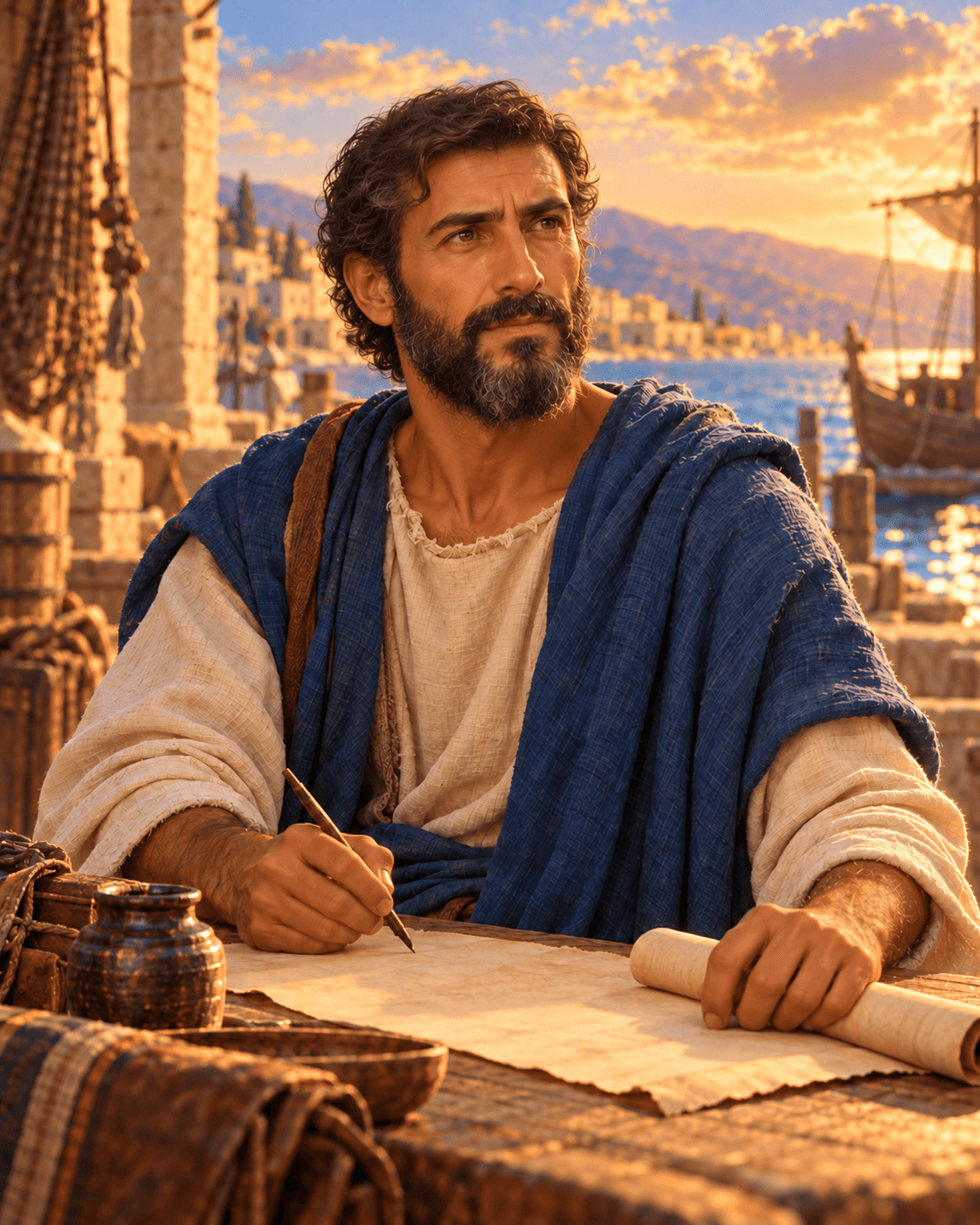 Paul

Photo: zeevveez, via Wikimedia Commons. License: CC BY 2.0. Source. Location: Capernaum, on the northern shore of the Sea of Galilee. Resized for the web.
Explore the places of the Bible
See where biblical events happened, why each place matters, and what archaeology helps us understand.
Capernaum
Jesus' home base by the Sea of Galilee, and the town where Peter lived.
Get full access with one subscription
Explore the people and places of the Bible. Read summaries of every book, with images and clear explanations covering every chapter. Access all these features and our Bible study tools with one subscription.
See PlansAsk AI about Acts 27:38
Ask a question about this verse and get a clear answer, with Bible references you can read for yourself.
Every Bible book, explained chapter by chapter
Explore summaries of every book of the Bible, with images and easy-to-understand explanations covering every chapter.
Keep studying Acts 27:38
Related Bible verses
At a Glance — the Book of Acts
- Author
- Luke the physician
- Written
- Around AD 62
- Genre
- Historical narrative
- Original Audience
- Gentile Christians (addressed to Theophilus)
Frequently Asked Questions
Quick, clear answers about this verse
What does Acts 27:38 mean?
Acts 27:38 describes a moment of desperation during a storm at sea, where the crew and passengers, after eating, decided to throw their valuable wheat cargo overboard to lighten the ship. This act symbolizes the difficult choices we sometimes have to make for survival.
What is the significance of throwing wheat overboard in Acts 27:38?
Throwing the wheat overboard in Acts 27:38 signifies a critical sacrifice made for the sake of survival. It highlights the theme of prioritizing life over material possessions during dire circumstances.
How does Acts 27:38 relate to making sacrifices?
Acts 27:38 illustrates the necessity of making sacrifices, as the crew chose to throw away their wheat to save their lives. It serves as a reminder that sometimes we must let go of what we value to ensure our safety and well-being.
What lessons can we learn from Acts 27:38?
From Acts 27:38, we learn about the importance of adaptability and prioritization in tough times. It teaches us that making difficult choices, such as letting go of burdens, can lead to survival and new opportunities.
Daily Verse — straight to your inbox
A verse and a 2-sentence plain-English explanation, every morning. Free. Unsubscribe anytime.