New Testament
Acts 27:40
Read the Bible in clear, modern English—easy to understand, faithful to the meaning, and written for everyday readers.
They cut the anchors loose and left them in the sea, untied the ropes holding the rudders, raised the foresail to the wind, and headed for the beach.
Compare translations
And when they had taken up the anchors, they committed themselves unto the sea, and loosed the rudder bands, and hoised up the mainsail to the wind, and made toward shore.
What Acts 27:40 means
Plain-English insight for readers
In this moment, the crew faced a critical decision as they prepared to abandon their anchors and set sail towards safety. By cutting the anchors loose, they symbolically let go of their past and embraced the uncertainty of the sea. Untying the rudders allowed them to steer their ship freely, while raising the foresail caught the wind, propelling them forward. This act of courage and determination highlights the importance of taking decisive action in the face of adversity. They were not just navigating the waters; they were navigating their fate. The beach represented hope and a new beginning, a destination they were willing to risk everything to reach. This passage reminds us that sometimes we must release what holds us back to pursue our goals and dreams. It’s about trusting the journey ahead, even when the waters are rough and the outcome is uncertain. The crew’s actions reflect a powerful lesson in resilience and faith in the face of challenges, encouraging us to move forward with purpose and conviction.
How to apply Acts 27:40 to your life
When faced with difficult choices, consider what you need to let go of to move forward. Embrace change and take action, even if it feels risky. Trust that your efforts can lead to new opportunities and brighter days ahead. Remember, progress often requires leaving the past behind and stepping into the unknown with confidence and hope.
Curated for this public verse page. Acts Summary
Learn the Bible through its people and places
Get to know the people in Scripture through illustrated stories, and explore the places where they lived and traveled.

Illustrated scene from Paul's story: The Shipwreck (Acts 27:27–44)
Meet the people of the Bible
Follow their lives in order, with illustrated scenes and Bible passages that tell their stories.
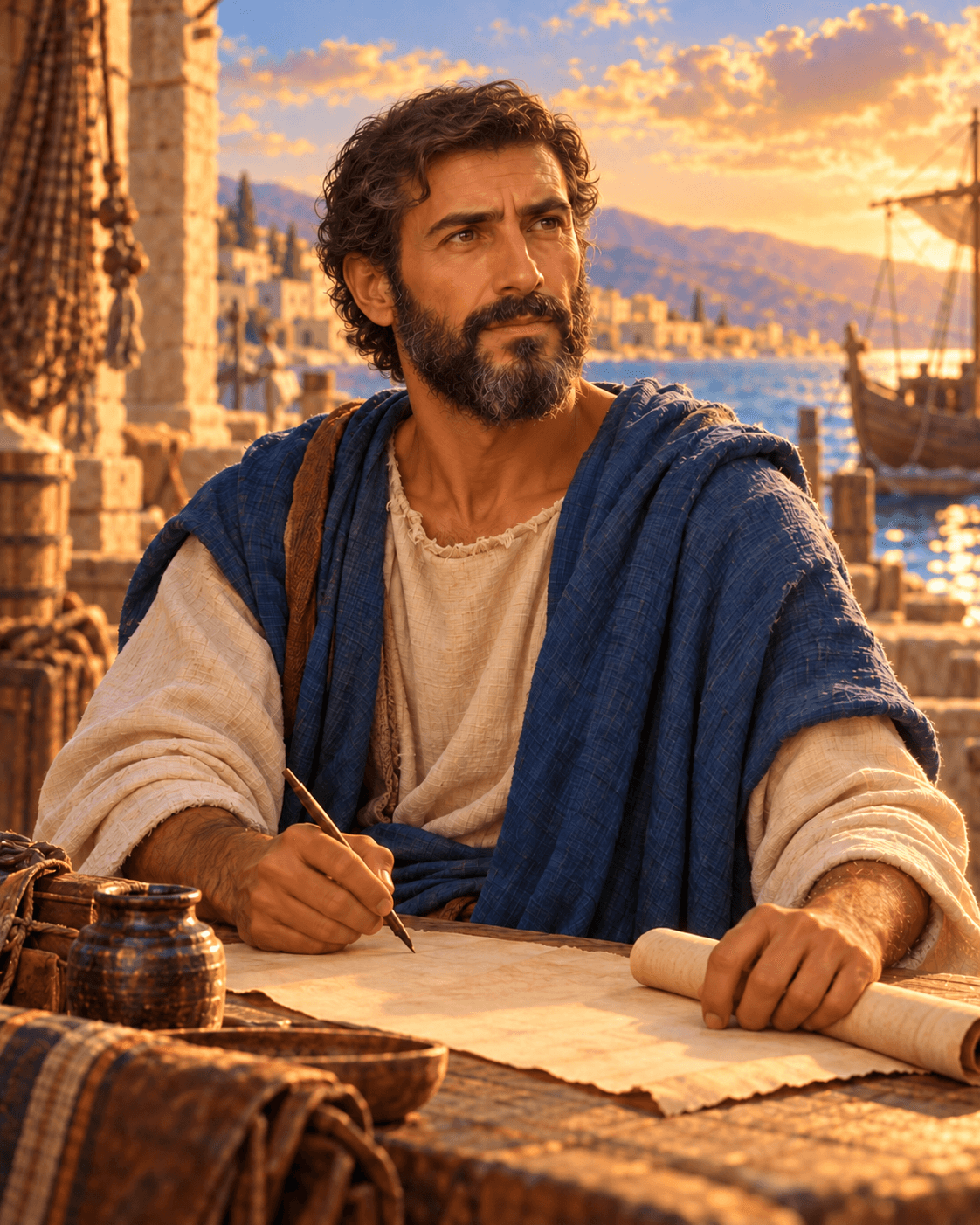 Paul
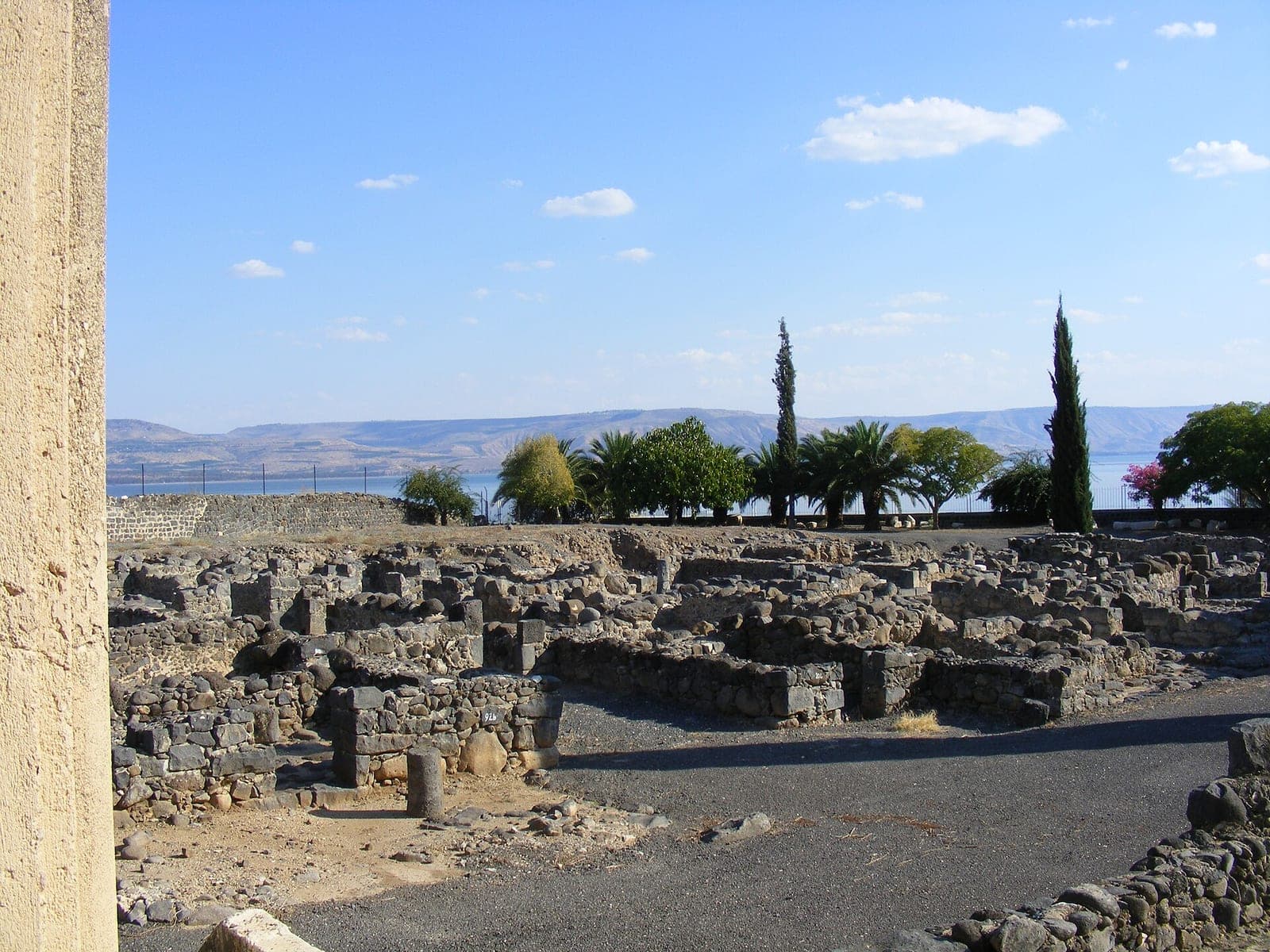
Photo: zeevveez, via Wikimedia Commons. License: CC BY 2.0. Source. Location: Capernaum, on the northern shore of the Sea of Galilee. Resized for the web.
Explore the places of the Bible
See where biblical events happened, why each place matters, and what archaeology helps us understand.
Capernaum
Jesus' home base by the Sea of Galilee, and the town where Peter lived.
Get full access with one subscription
Explore the people and places of the Bible. Read summaries of every book, with images and clear explanations covering every chapter. Access all these features and our Bible study tools with one subscription.
See PlansAsk AI about Acts 27:40
Ask a question about this verse and get a clear answer, with Bible references you can read for yourself.
Every Bible book, explained chapter by chapter
Explore summaries of every book of the Bible, with images and easy-to-understand explanations covering every chapter.
Keep studying Acts 27:40
Related Bible verses
Key themes
Related topics
At a Glance — the Book of Acts
- Author
- Luke the physician
- Written
- Around AD 62
- Genre
- Historical narrative
- Original Audience
- Gentile Christians (addressed to Theophilus)
Frequently Asked Questions
Quick, clear answers about this verse
What does Acts 27:40 teach about taking risks?
Acts 27:40 illustrates the importance of taking calculated risks in challenging situations. The crew cut loose their anchors and set sail towards the beach, symbolizing a willingness to embrace uncertainty for the sake of safety and hope. This teaches us that sometimes we must let go of what holds us back to pursue new opportunities, even when the outcome is uncertain.
How can I apply the lessons from Acts 27:40 in my life?
You can apply the lessons from Acts 27:40 by identifying what anchors you in your life—whether it's fear, past failures, or negative influences. Consider what steps you need to take to move forward, even if it feels risky. Embrace change and trust that taking action can lead to new beginnings and opportunities, just as the crew trusted the journey ahead despite the rough waters.
What does the beach symbolize in Acts 27:40?
In Acts 27:40, the beach symbolizes hope and a new beginning. The crew's decision to head towards the beach represents their desire for safety and a fresh start after enduring a tumultuous journey. This imagery encourages readers to seek out their own 'beaches'—places or situations that offer safety, renewal, and the chance to rebuild after challenges.
Why did the crew cut the anchors in Acts 27:40?
The crew cut the anchors in Acts 27:40 to free themselves from the constraints of their past and to navigate towards safety. By releasing the anchors, they symbolically let go of what was holding them back, allowing them to steer their ship towards the beach. This act emphasizes the necessity of decisive action in the face of adversity and the courage to move forward.
Daily Verse — straight to your inbox
A verse and a 2-sentence plain-English explanation, every morning. Free. Unsubscribe anytime.