New Testament
Acts 5:26
Read the Bible in clear, modern English—easy to understand, faithful to the meaning, and written for everyday readers.
So the captain went with his officers and brought the apostles back — but without force, because they were afraid the crowd might stone them.
Compare translations
Then went the captain with the officers, and brought them without violence: for they feared the people, lest they should have been stoned.
What Acts 5:26 means
Plain-English insight for readers
In this passage, the captain of the guards and his officers go to retrieve the apostles who had been preaching about Jesus. They approach the apostles without using force, showing a level of respect and caution. The guards are aware that the crowd is supportive of the apostles and fear that if they act too aggressively, the people might turn against them. This moment highlights the tension between authority and the will of the people. The apostles, despite being in a position of potential danger, are treated with a degree of care. This reflects the power of public opinion and the influence it can have on those in charge. The captain's decision to avoid violence demonstrates a desire to maintain peace and avoid unnecessary conflict. It also emphasizes the apostles' growing impact on the community, as their message resonates with the people, making them a force to be reckoned with. This scene serves as a reminder of the importance of understanding the dynamics of power and influence in any situation.
How to apply Acts 5:26 to your life
When faced with authority, remember that respect and understanding can lead to better outcomes. Avoiding conflict can sometimes be more powerful than aggression. Consider how your actions might affect those around you, and strive for peaceful solutions in challenging situations. Your influence can create positive change in your community, just like the apostles did. Embrace your voice!
Curated for this public verse page. Acts Summary
Learn the Bible through its people and places
Get to know the people in Scripture through illustrated stories, and explore the places where they lived and traveled.
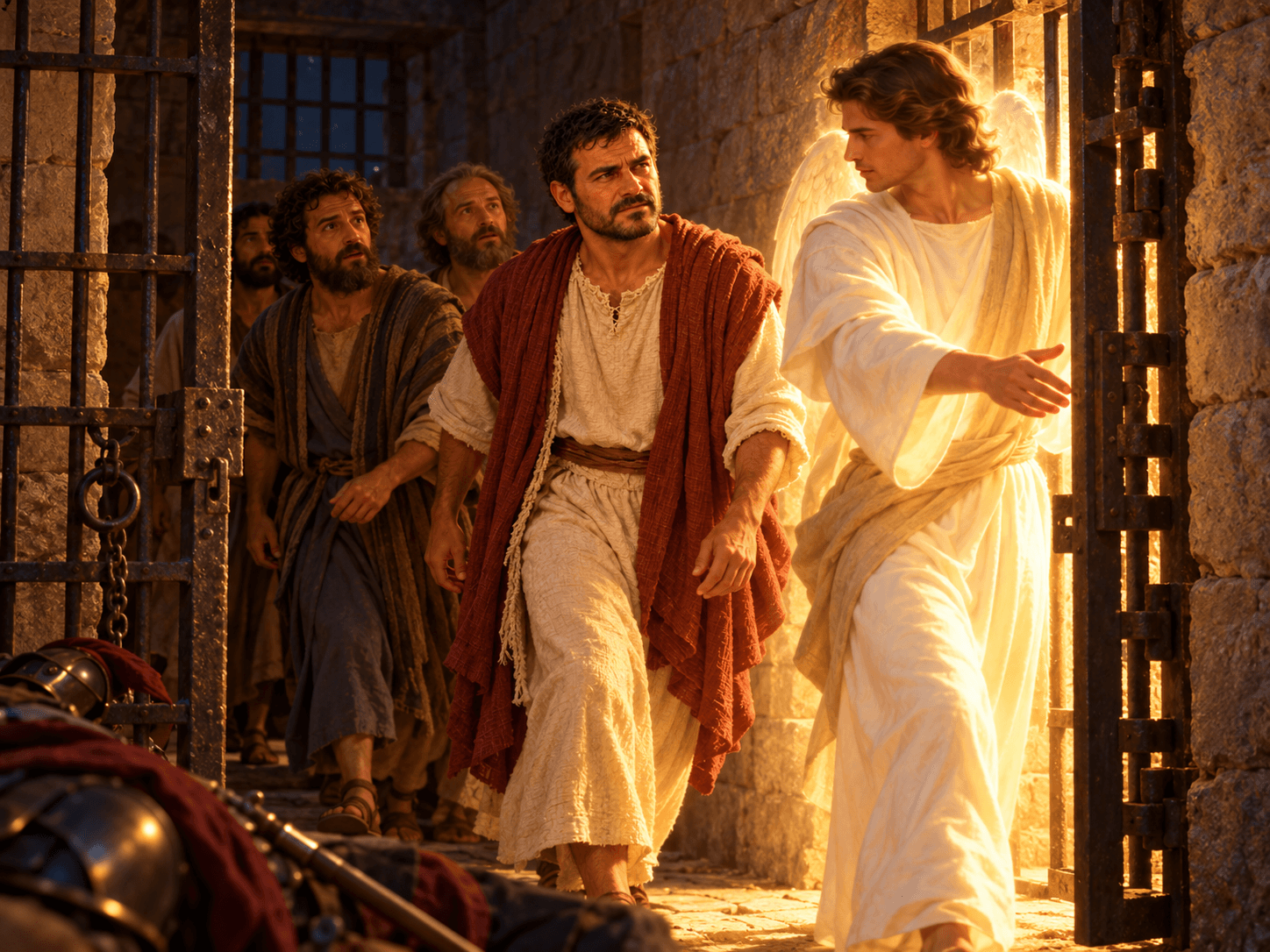
Illustrated scene from Peter's story: “We Must Obey God” (Acts 5:17–42)
Meet the people of the Bible
Follow their lives in order, with illustrated scenes and Bible passages that tell their stories.
 Peter
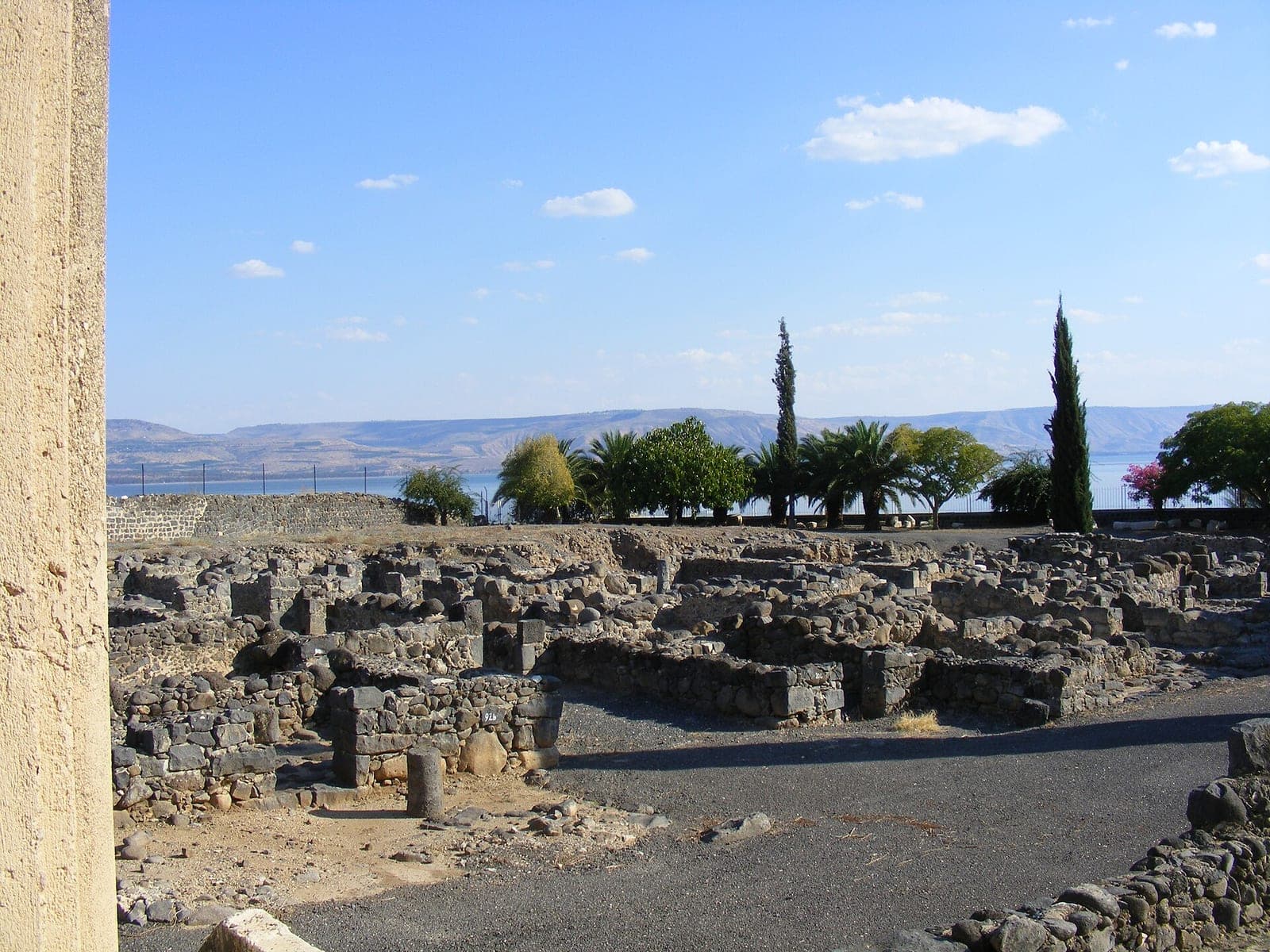
Photo: zeevveez, via Wikimedia Commons. License: CC BY 2.0. Source. Location: Capernaum, on the northern shore of the Sea of Galilee. Resized for the web.
Explore the places of the Bible
See where biblical events happened, why each place matters, and what archaeology helps us understand.
Capernaum
Jesus' home base by the Sea of Galilee, and the town where Peter lived.
Get full access with one subscription
Explore the people and places of the Bible. Read summaries of every book, with images and clear explanations covering every chapter. Access all these features and our Bible study tools with one subscription.
See PlansAsk AI about Acts 5:26
Ask a question about this verse and get a clear answer, with Bible references you can read for yourself.
Every Bible book, explained chapter by chapter
Explore summaries of every book of the Bible, with images and easy-to-understand explanations covering every chapter.
Keep studying Acts 5:26
Related Bible verses
At a Glance — the Book of Acts
- Author
- Luke the physician
- Written
- Around AD 62
- Genre
- Historical narrative
- Original Audience
- Gentile Christians (addressed to Theophilus)
Frequently Asked Questions
Quick, clear answers about this verse
What does Acts 5:26 mean?
Acts 5:26 describes how the captain of the guards and his officers went to retrieve the apostles without using force. This shows their respect for the apostles and their awareness of the crowd's support for them.
What is the significance of the captain's approach in Acts 5:26?
The captain's non-violent approach highlights the tension between authority and public opinion. It reflects the growing influence of the apostles and the potential consequences of acting aggressively against them.
What does the phrase 'without force' in Acts 5:26 imply?
The phrase 'without force' implies that the captain chose to handle the situation with caution and respect, avoiding violence to maintain peace and prevent backlash from the supportive crowd.
How does Acts 5:26 relate to the theme of influence?
Acts 5:26 relates to the theme of influence by showing how the apostles' message resonated with the people, leading the guards to act cautiously due to fear of public backlash.
Daily Verse — straight to your inbox
A verse and a 2-sentence plain-English explanation, every morning. Free. Unsubscribe anytime.