New Testament
Acts 7:39
Read the Bible in clear, modern English—easy to understand, faithful to the meaning, and written for everyday readers.
But our ancestors refused to obey him. They rejected him and in their hearts turned back to Egypt,
Compare translations
To whom our fathers would not obey, but thrust him from them, and in their hearts turned back again into Egypt,
What Acts 7:39 means
Plain-English insight for readers
In this verse, we see a powerful moment in history where the ancestors of the Israelites chose to ignore the guidance of God. Instead of following His lead, they turned their hearts back to Egypt, a symbol of their past bondage and disobedience. This rejection wasn't just a physical act; it was a deep-seated choice to abandon the freedom God offered them. Their hearts longed for the familiar, even if it meant returning to a life of slavery. This reflects a common struggle we all face: the temptation to revert to old habits or comforts, even when they are harmful. The ancestors' decision serves as a warning about the dangers of turning away from what is right and good. It challenges us to examine our own lives and consider what we might be clinging to that holds us back from true freedom and growth. Ultimately, it invites us to trust in a better path, one that leads us forward rather than backward into the shadows of our past. Choosing to follow God means embracing the unknown with faith.
How to apply Acts 7:39 to your life
Reflect on areas in your life where you might be tempted to return to old habits or comforts that are not beneficial. Consider what it means to trust in a new path that God is offering you. Embrace the journey of faith, even when it feels uncertain or challenging. Remember, true freedom comes from following the right path, not the familiar one that leads to bondage. Choose to move forward with courage and hope today.
Curated for this public verse page. Acts Summary
Explore more of the Bible
Learn the Bible through its people and places
Get to know the people in Scripture through illustrated stories, and explore the places where they lived and traveled.

Illustrated scene from Paul's story: The Stoning of Stephen (Acts 7:57–8:2)
Meet the people of the Bible
Follow their lives in order, with illustrated scenes and Bible passages that tell their stories.
 Paul
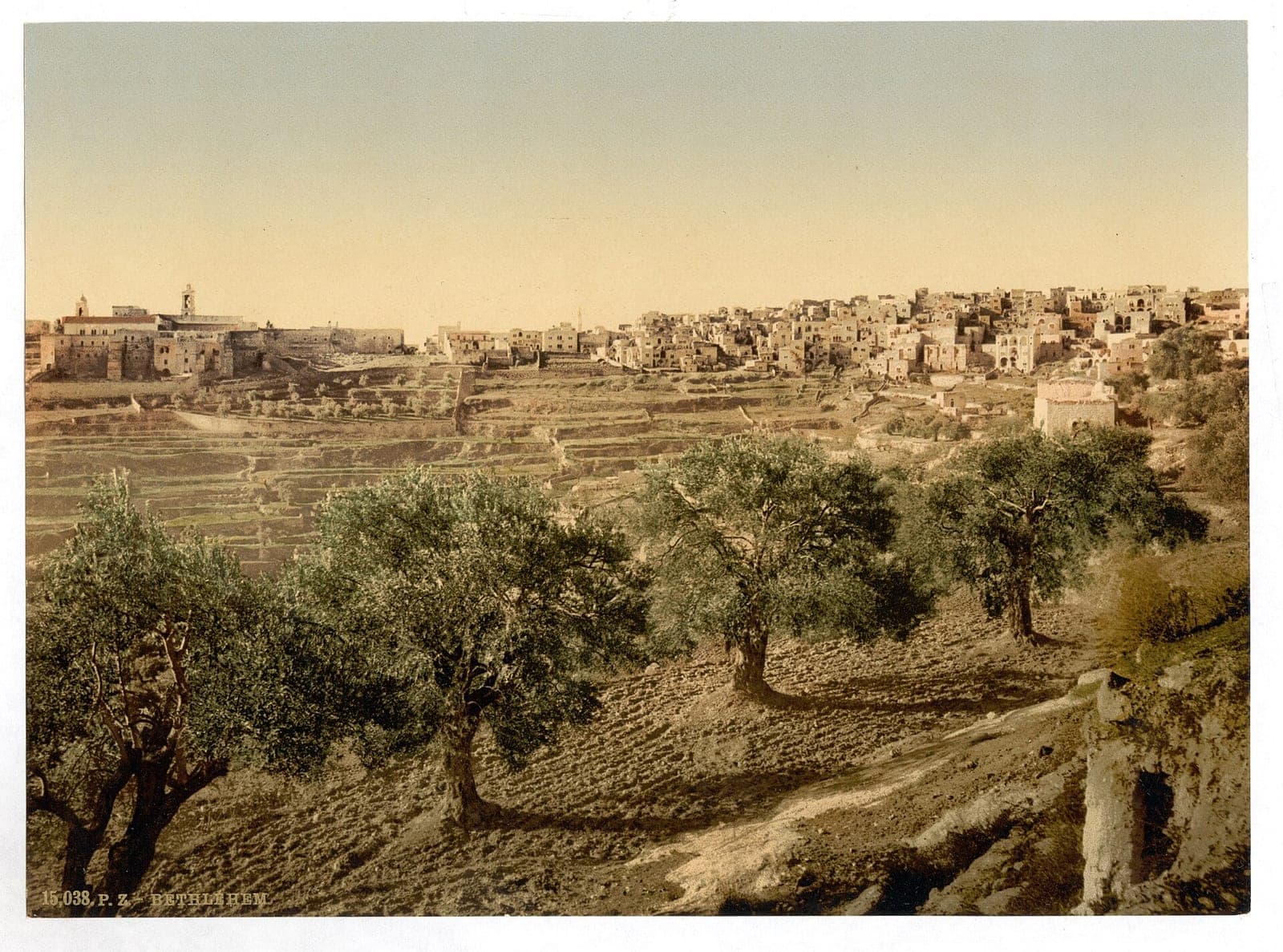
Photo: Photochrom print, Library of Congress Prints and Photographs Division (LCCN 2002724966). License: Public domain in the United States; Library of Congress states no known restrictions on publication. Source. Location: Bethlehem, West Bank; print preserved by the Library of Congress. Resized for the web.
Explore the places of the Bible
See where biblical events happened, why each place matters, and what archaeology helps us understand.
Bethlehem
David's hometown, and the town where Jesus was born.
Get full access with one subscription
Explore the people and places of the Bible. Read summaries of every book, with images and clear explanations covering every chapter. Access all these features and our Bible study tools with one subscription.
See PlansAsk AI about Acts 7:39
Ask a question about this verse and get a clear answer, with Bible references you can read for yourself.
Every Bible book, explained chapter by chapter
Explore summaries of every book of the Bible, with images and easy-to-understand explanations covering every chapter.
Keep studying Acts 7:39
Related Bible verses
Key themes
Related topics
At a Glance — the Book of Acts
- Author
- Luke the physician
- Written
- Around AD 62
- Genre
- Historical narrative
- Original Audience
- Gentile Christians (addressed to Theophilus)
Frequently Asked Questions
Quick, clear answers about this verse
What does Acts 7:39 mean?
Acts 7:39 highlights the disobedience of the Israelites' ancestors who rejected God's guidance and longed to return to Egypt, symbolizing their past bondage. This verse illustrates the struggle between following God's path and the temptation to revert to familiar but harmful habits.
What is the meaning of 'turned back to Egypt' in Acts 7:39?
In Acts 7:39, 'turned back to Egypt' signifies a desire to return to a life of slavery and disobedience instead of embracing the freedom God offered. It reflects a longing for the past, even when it meant abandoning the promise of a better future.
How does Acts 7:39 relate to temptation?
Acts 7:39 illustrates how temptation can lead people to abandon their faith and revert to old, harmful habits. The ancestors' choice to turn back to Egypt serves as a reminder of the struggle to resist the pull of familiar but negative influences.
What lessons can we learn from Acts 7:39?
From Acts 7:39, we learn the importance of obedience to God and the risks of longing for the past. It encourages us to reflect on our own lives and consider what we might be holding onto that prevents us from experiencing true freedom and growth.
Daily Verse — straight to your inbox
A verse and a 2-sentence plain-English explanation, every morning. Free. Unsubscribe anytime.