New Testament
Acts 9:36
Read the Bible in clear, modern English—easy to understand, faithful to the meaning, and written for everyday readers.
In Joppa there was a certain disciple named Tabitha, which translated means Dorcas. She was full of good works and acts of charity that she did.
Compare translations
Now there was at Joppa a certain disciple named Tabitha, which by interpretation is called Dorcas: this woman was full of good works and almsdeeds which she did.
What Acts 9:36 means
Plain-English insight for readers
In the city of Joppa, there was a woman named Tabitha, also known as Dorcas. She was a devoted follower and made a significant impact in her community. Tabitha was known for her kindness and generosity, dedicating her life to helping others. She engaged in many good deeds and acts of charity, showing her love through tangible actions. Her life was a testament to the power of compassion and service. Tabitha's story reminds us that our actions can inspire and uplift those around us. She exemplified how one person's commitment to doing good can create a ripple effect in the lives of many. Her legacy encourages us to be proactive in our communities, using our talents and resources to make a difference. Tabitha's life serves as a powerful reminder that we can all contribute positively to the world, no matter how small our efforts may seem. Her example challenges us to reflect on how we can serve others in our daily lives, fostering a spirit of generosity and love wherever we go.
How to apply Acts 9:36 to your life
Consider how you can make a positive impact in your community, just like Tabitha. Look for opportunities to help others, whether through volunteering, donating, or simply being there for someone in need. Small acts of kindness can create a lasting difference in people's lives. Be inspired to serve and uplift those around you, making your community a better place for all. Your actions matter and can inspire others to do the same.
Curated for this public verse page. Acts Summary
Learn the Bible through its people and places
Get to know the people in Scripture through illustrated stories, and explore the places where they lived and traveled.
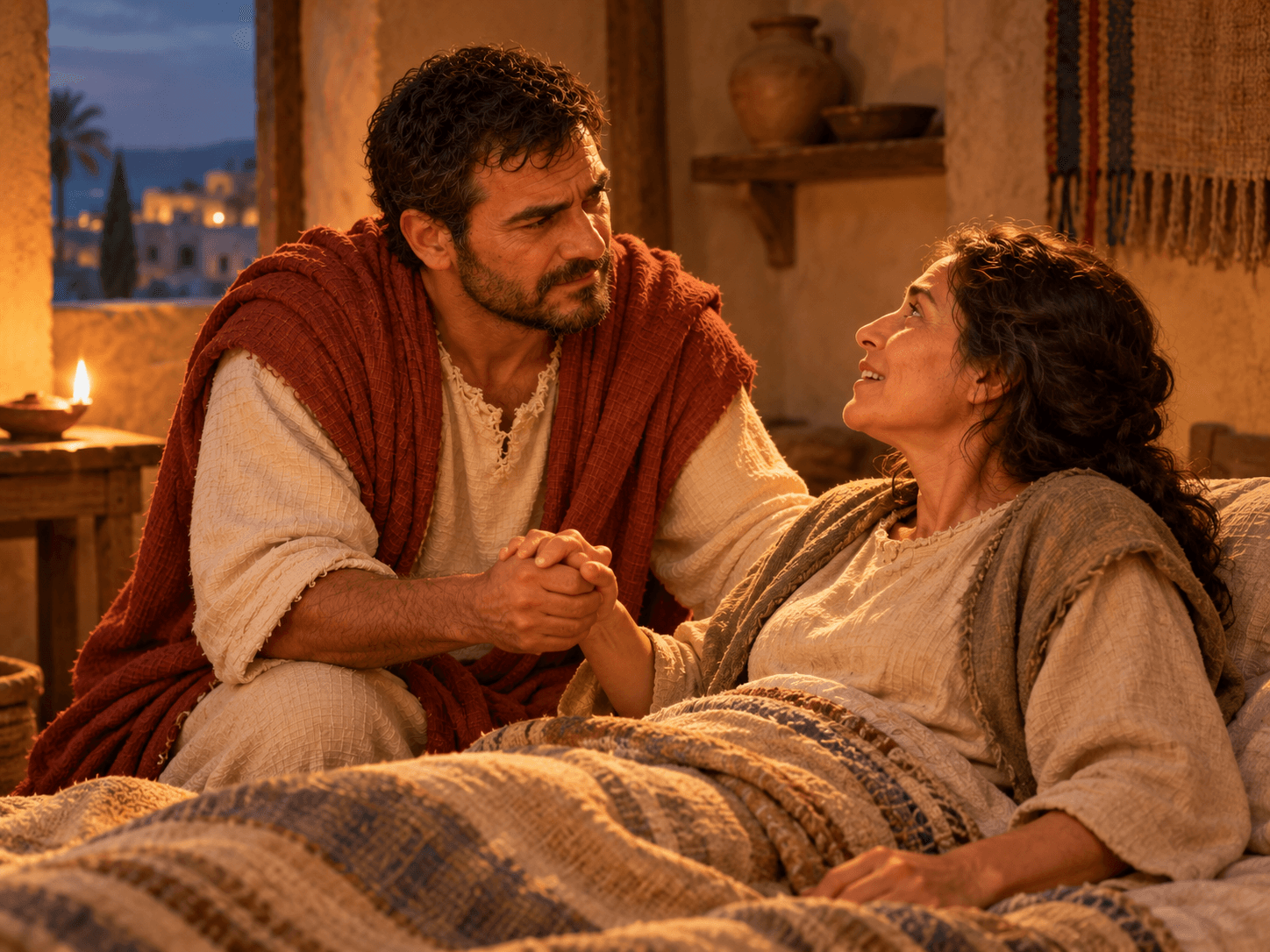
Illustrated scene from Peter's story: “Tabitha, Get Up” (Acts 9:36–43)
Meet the people of the Bible
Follow their lives in order, with illustrated scenes and Bible passages that tell their stories.
 Peter
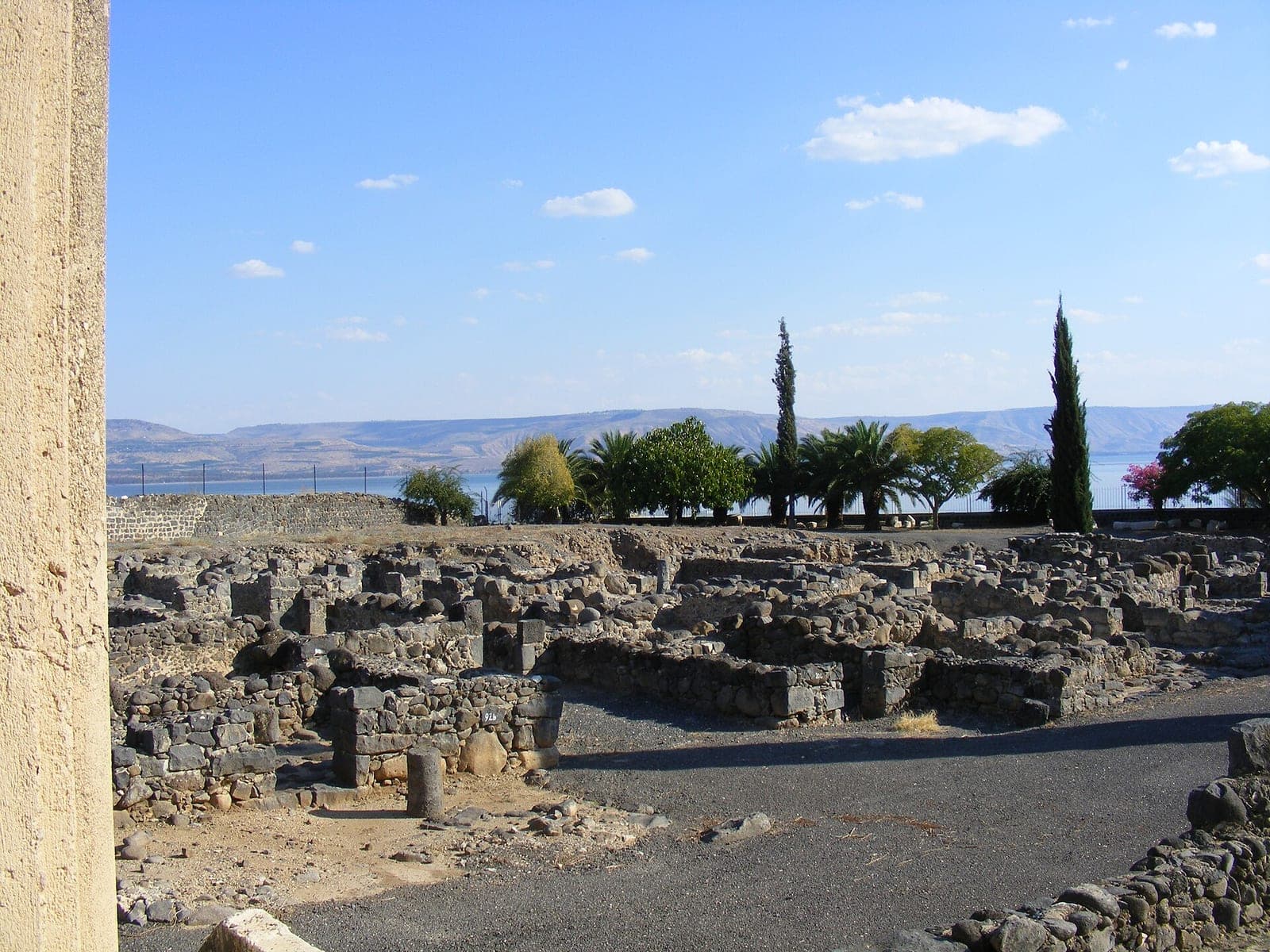
Photo: zeevveez, via Wikimedia Commons. License: CC BY 2.0. Source. Location: Capernaum, on the northern shore of the Sea of Galilee. Resized for the web.
Explore the places of the Bible
See where biblical events happened, why each place matters, and what archaeology helps us understand.
Capernaum
Jesus' home base by the Sea of Galilee, and the town where Peter lived.
Get full access with one subscription
Explore the people and places of the Bible. Read summaries of every book, with images and clear explanations covering every chapter. Access all these features and our Bible study tools with one subscription.
See PlansAsk AI about Acts 9:36
Ask a question about this verse and get a clear answer, with Bible references you can read for yourself.
Every Bible book, explained chapter by chapter
Explore summaries of every book of the Bible, with images and easy-to-understand explanations covering every chapter.
Keep studying Acts 9:36
Related Bible verses
At a Glance — the Book of Acts
- Author
- Luke the physician
- Written
- Around AD 62
- Genre
- Historical narrative
- Original Audience
- Gentile Christians (addressed to Theophilus)
Frequently Asked Questions
Quick, clear answers about this verse
Who was Tabitha in Acts 9:36?
Tabitha, also known as Dorcas, was a devoted disciple living in Joppa. She was recognized for her good works and acts of charity, making a significant impact in her community through her kindness and generosity.
What does the name Dorcas mean?
The name Dorcas is the Greek translation of the Hebrew name Tabitha. Both names mean 'gazelle,' symbolizing grace and beauty, which reflects her character as a compassionate and caring individual.
What kind of good works did Tabitha do?
Tabitha was known for her acts of charity, which included helping the poor and engaging in various good deeds. Her life was dedicated to serving others, showcasing her commitment to compassion and community support.
What can we learn from Tabitha's story?
Tabitha's story teaches us the importance of service, kindness, and generosity. It encourages us to actively seek ways to help others and make a positive impact in our communities, no matter how small our contributions may seem.
Daily Verse — straight to your inbox
A verse and a 2-sentence plain-English explanation, every morning. Free. Unsubscribe anytime.