New Testament
Acts 9:37
Read the Bible in clear, modern English—easy to understand, faithful to the meaning, and written for everyday readers.
In those days she became sick and died. After washing her body, they laid her in an upper room.
Compare translations
And it came to pass in those days, that she was sick, and died: whom when they had washed, they laid her in an upper chamber.
What Acts 9:37 means
Plain-English insight for readers
In this passage, we learn about a woman who fell ill and passed away. Her community cared deeply for her, showing their love and respect by preparing her body for burial. They washed her and placed her in an upper room, a sign of honor. This act reflects their grief and the impact she had on their lives. The upper room symbolizes a place of significance, perhaps where they gathered for prayer or fellowship. The story highlights the importance of community support during times of loss. It reminds us that even in death, the bonds we share with others remain strong. This moment sets the stage for a powerful event that follows, demonstrating hope and the possibility of new beginnings. It encourages us to cherish our relationships and to be there for one another in difficult times, as love and compassion can transcend even the darkest moments of life. We are reminded that every life has value and that our connections with others are what truly matter in the end. This passage invites us to reflect on how we honor those we love.
How to apply Acts 9:37 to your life
When faced with loss, it's essential to lean on our community for support. Take time to honor those who have passed by sharing memories and celebrating their lives. Remember that love and compassion can help us navigate through difficult times. Reach out to others who may be grieving and offer your presence and support. Together, we can find healing and strength in our connections with one another. This is how we keep their memory alive.
Curated for this public verse page. Acts Summary
Learn the Bible through its people and places
Get to know the people in Scripture through illustrated stories, and explore the places where they lived and traveled.
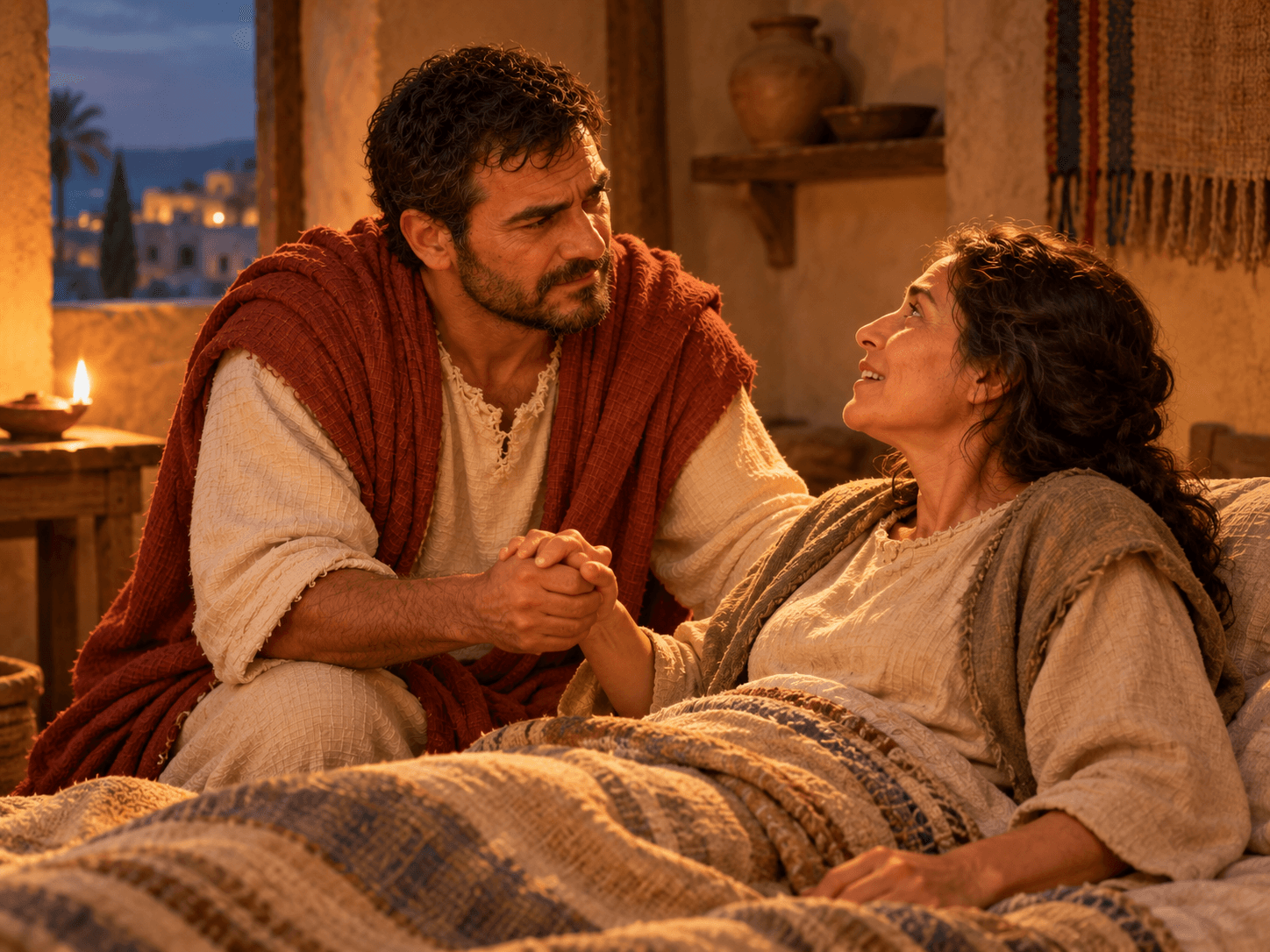
Illustrated scene from Peter's story: “Tabitha, Get Up” (Acts 9:36–43)
Meet the people of the Bible
Follow their lives in order, with illustrated scenes and Bible passages that tell their stories.
 Peter

Photo: zeevveez, via Wikimedia Commons. License: CC BY 2.0. Source. Location: Capernaum, on the northern shore of the Sea of Galilee. Resized for the web.
Explore the places of the Bible
See where biblical events happened, why each place matters, and what archaeology helps us understand.
Capernaum
Jesus' home base by the Sea of Galilee, and the town where Peter lived.
Get full access with one subscription
Explore the people and places of the Bible. Read summaries of every book, with images and clear explanations covering every chapter. Access all these features and our Bible study tools with one subscription.
See PlansAsk AI about Acts 9:37
Ask a question about this verse and get a clear answer, with Bible references you can read for yourself.
Every Bible book, explained chapter by chapter
Explore summaries of every book of the Bible, with images and easy-to-understand explanations covering every chapter.
Keep studying Acts 9:37
Related Bible verses
Key themes
At a Glance — the Book of Acts
- Author
- Luke the physician
- Written
- Around AD 62
- Genre
- Historical narrative
- Original Audience
- Gentile Christians (addressed to Theophilus)
Frequently Asked Questions
Quick, clear answers about this verse
What does Acts 9:37 mean?
Acts 9:37 describes the death of a woman who was well-loved by her community. After she died, they prepared her body with care, washing it and placing it in an upper room, which reflects their respect and grief for her.
What is the significance of the upper room in Acts 9:37?
The upper room in Acts 9:37 symbolizes a place of honor and importance. It may have been a gathering place for prayer or fellowship, indicating the woman's valued role in her community.
What does washing the body signify in Acts 9:37?
Washing the body in Acts 9:37 signifies respect and care for the deceased. This act reflects the community's love and their desire to honor her memory before burial.
What themes are present in Acts 9:37?
Acts 9:37 highlights themes of community support, grief, and the importance of relationships. It shows how people come together in times of loss to honor those they love.
Daily Verse — straight to your inbox
A verse and a 2-sentence plain-English explanation, every morning. Free. Unsubscribe anytime.