New Testament
Colossians 3:12
Read the Bible in clear, modern English—easy to understand, faithful to the meaning, and written for everyday readers.
Since God chose you — set apart and deeply loved — clothe yourselves with heartfelt compassion, kindness, humility, gentleness, and patience.
Compare translations
Put on therefore, as the elect of God, holy and beloved, bowels of mercies, kindness, humbleness of mind, meekness, longsuffering;
What Colossians 3:12 means
Plain-English insight for readers
In this verse, we see a powerful reminder of our identity as chosen and cherished individuals by God. Being set apart means we have a special role in the world. The call to 'clothe yourselves' suggests that we should actively adopt qualities that reflect God's love. Heartfelt compassion means genuinely caring for others, while kindness involves treating everyone with respect. Humility encourages us to recognize our limitations and value others. Gentleness is about being considerate and understanding, and patience helps us endure challenges without losing hope. Together, these traits create a community that mirrors God's heart. When we embody these qualities, we not only enrich our own lives but also positively impact those around us. This verse invites us to live out our faith in practical ways, showing the world what it means to be loved and chosen by God. By embracing these virtues, we can foster deeper connections and create a more compassionate environment for everyone.
How to apply Colossians 3:12 to your life
To apply this verse, start by reflecting on how you treat others daily. Make a conscious effort to show compassion and kindness, especially to those who may be struggling. Practice humility by listening more and speaking less. Remember, your actions can inspire others to do the same, creating a ripple effect of love and understanding in your community. Embrace these qualities as a way of life, not just a checklist to follow.
Curated for this public verse page. Colossians Summary
Explore more of the Bible
Learn the Bible through its people and places
Get to know the people in Scripture through illustrated stories, and explore the places where they lived and traveled.
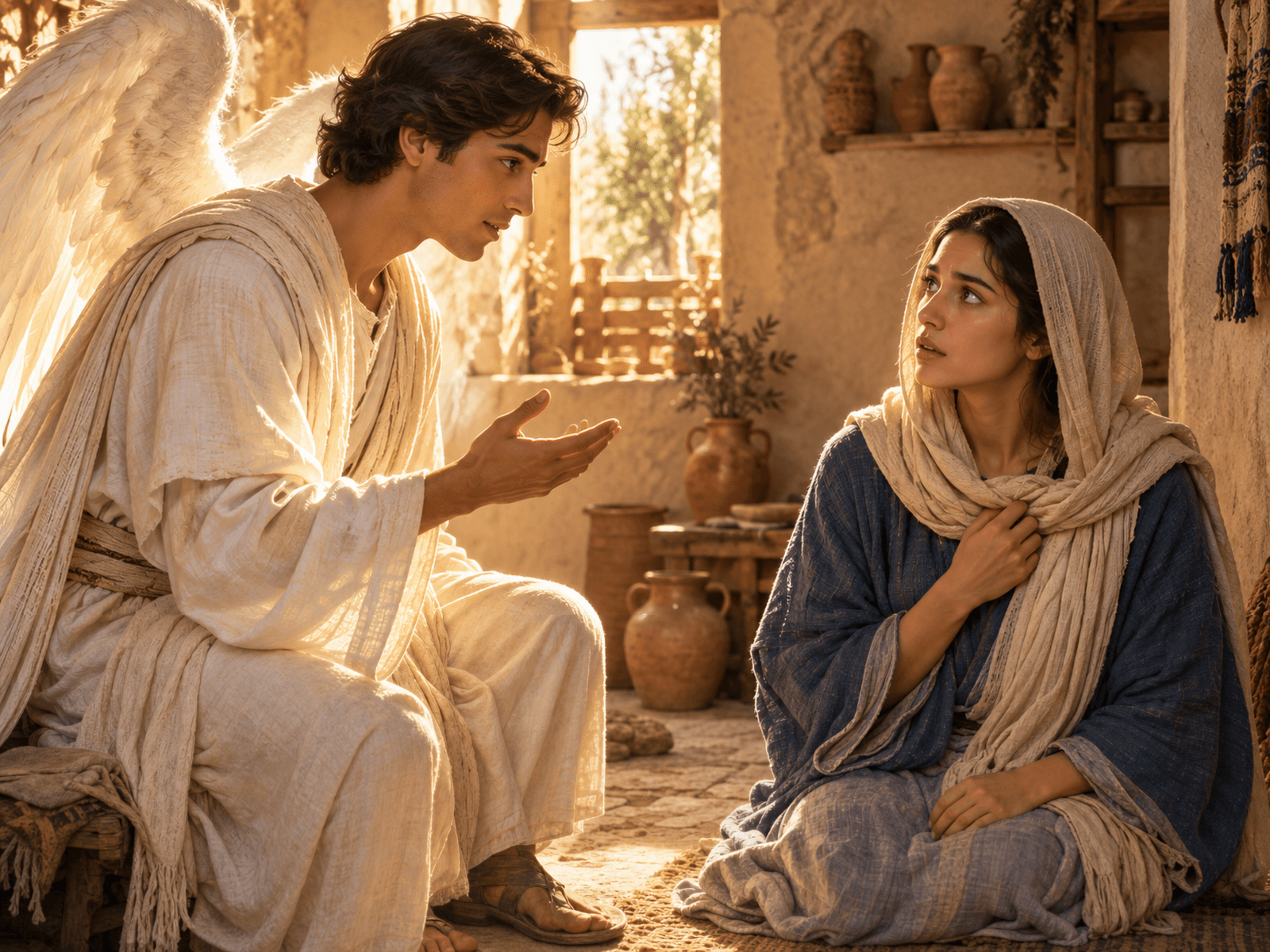
Illustrated scene from Jesus's story: An Angel Visits Mary (Luke 1:26–38)
Meet the people of the Bible
Follow their lives in order, with illustrated scenes and Bible passages that tell their stories.
 Jesus

Photo: Gary Todd (Gary Lee Todd, Ph.D.), via Wikimedia Commons. License: CC0 1.0 Universal Public Domain Dedication. Source. Location: Southern end of the Temple Mount, Jerusalem Old City. Resized for the web.
Explore the places of the Bible
See where biblical events happened, why each place matters, and what archaeology helps us understand.
Jerusalem
David's capital, the city of the temple, and the place where Jesus died and rose again.
Get full access with one subscription
Explore the people and places of the Bible. Read summaries of every book, with images and clear explanations covering every chapter. Access all these features and our Bible study tools with one subscription.
See PlansAsk AI about Colossians 3:12
Ask a question about this verse and get a clear answer, with Bible references you can read for yourself.
Fuller verse explanations
Explore what a verse means, what was happening around it, and how it connects to other Bible passages.
Plain Meaning
Paul tells his readers to put on five qualities like clothing. "Bowels of mercies" means deep, felt compassion — in the KJV, "bowels" refers to strong feeling in the gut. The other four are kindness, humility, meekness, and longsuffering — that last one means staying patient with difficult people. These do not come on their own. They must be chosen and put on.
Read It in Context
Before this verse, Paul told his readers to take off the old way of living — anger, malice, and lying. Now "therefore" marks a turn. Because they have put on the new man (verse 10), they are to fill that new life with specific qualities. "Elect of God, holy and beloved" tells them who they are: chosen, set apart, and loved by God. That is why the command follows.
The full Clear view adds what to notice, common misreadings, and the passage that best explains this one — for Colossians 3:12 and any verse in the Bible.
Every Bible book, explained chapter by chapter
Explore summaries of every book of the Bible, with images and easy-to-understand explanations covering every chapter.
Keep studying Colossians 3:12
Related Bible verses
Key themes
Related topics
At a Glance — the Book of Colossians
- Author
- Paul the apostle
- Written
- Around AD 60-62
- Genre
- Letter (epistle)
- Original Audience
- The church in Colossae
Frequently Asked Questions
Quick, clear answers about this verse
How can I practice humility as mentioned in Colossians 3:12?
Practicing humility involves recognizing your own limitations and valuing the contributions of others. You can start by listening more than speaking, being open to feedback, and acknowledging when you are wrong. This mindset fosters a respectful and supportive environment.
What are some practical ways to show compassion and kindness?
You can show compassion and kindness by actively listening to others, offering help to those in need, and being present for friends and family during tough times. Small gestures, like a kind word or a helping hand, can make a significant difference in someone's day.
Why is patience important in our daily lives according to Colossians 3:12?
Patience is crucial because it helps you endure challenges and maintain a positive outlook, even when faced with difficulties. It allows you to respond thoughtfully rather than react impulsively, fostering healthier relationships and a more peaceful mindset.
How can I create a compassionate environment in my community?
To create a compassionate environment, start by embodying the qualities of compassion, kindness, and humility in your daily interactions. Encourage others to do the same by leading by example, organizing community service activities, and fostering open communication where everyone feels valued.
Daily Verse — straight to your inbox
A verse and a 2-sentence plain-English explanation, every morning. Free. Unsubscribe anytime.