Old Testament
Deuteronomy 11:3
Read the Bible in clear, modern English—easy to understand, faithful to the meaning, and written for everyday readers.
his miracles and his powerful acts that he performed right in the heart of Egypt against Pharaoh, king of Egypt, and against his entire land;
Compare translations
And his miracles, and his acts, which he did in the midst of Egypt unto Pharaoh the king of Egypt, and unto all his land;
What Deuteronomy 11:3 means
Plain-English insight for readers
In this verse, we see a reminder of the incredible things God did in Egypt. He performed miracles and powerful acts that were undeniable, especially against Pharaoh and his entire kingdom. These events were not just random occurrences; they were significant demonstrations of God's authority and power. The people of Israel were meant to remember these acts as evidence of God's commitment to them. By recalling these miracles, they could strengthen their faith and trust in God. It was a way to connect their past experiences with their present journey. Understanding these acts helps us appreciate the depth of God's involvement in our lives. It shows that God is active and powerful, ready to intervene in our circumstances when we need Him most. This verse encourages us to reflect on our own experiences of God's work in our lives, reminding us that He is always present and capable of great things, just as He was in Egypt. We can draw strength from these memories as we face our own challenges today.
How to apply Deuteronomy 11:3 to your life
Reflect on the significant moments in your life where you felt God's presence or saw His work. Write them down and revisit them when you face challenges. These memories can strengthen your faith and remind you of God's ongoing involvement in your life. Trust that He is still capable of miracles today, just as He was in the past. Stay open to His guidance and support in your journey ahead.
Curated for this public verse page. Deuteronomy Summary
Explore more of the Bible
Learn the Bible through its people and places
Get to know the people in Scripture through illustrated stories, and explore the places where they lived and traveled.

Illustrated scene from Esther's story: Esther Becomes Queen (Esther 2:1–18)
Meet the people of the Bible
Follow their lives in order, with illustrated scenes and Bible passages that tell their stories.
 Esther
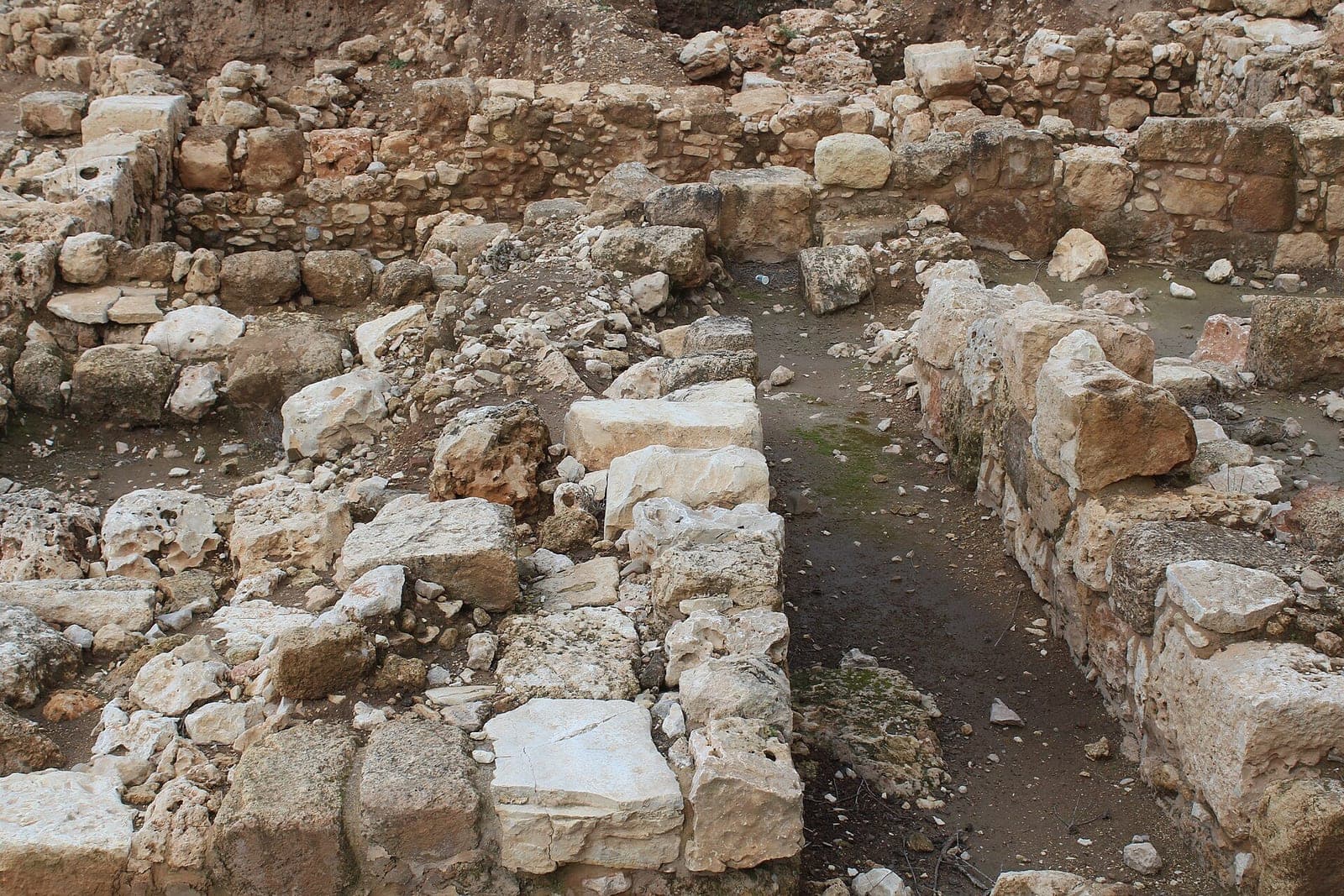
Photo: Deror Avi, via Wikimedia Commons. License: CC BY-SA 4.0. Source. Location: Tel Shiloh archaeological site, West Bank. Resized for the web.
Explore the places of the Bible
See where biblical events happened, why each place matters, and what archaeology helps us understand.
Shiloh
Where Israel set up the tabernacle, and where God called the boy Samuel.
Get full access with one subscription
Explore the people and places of the Bible. Read summaries of every book, with images and clear explanations covering every chapter. Access all these features and our Bible study tools with one subscription.
See PlansAsk AI about Deuteronomy 11:3
Ask a question about this verse and get a clear answer, with Bible references you can read for yourself.
Every Bible book, explained chapter by chapter
Explore summaries of every book of the Bible, with images and easy-to-understand explanations covering every chapter.
Keep studying Deuteronomy 11:3
Related Bible verses
Key themes
Related topics
At a Glance — the Book of Deuteronomy
- Author
- Traditionally attributed to Moses
- Written
- Around 1400 BC
- Genre
- Law (Pentateuch)
- Original Audience
- The Israelites about to enter the Promised Land
Frequently Asked Questions
Quick, clear answers about this verse
What miracles did God perform in Egypt according to Deuteronomy 11:3?
In Deuteronomy 11:3, God is reminded of the miracles and powerful acts He performed in Egypt, particularly against Pharaoh and his kingdom. These included the plagues sent to convince Pharaoh to free the Israelites, such as turning the Nile into blood, the frogs, the locusts, and the death of the firstborn. These acts demonstrated God's authority over Egypt and His commitment to liberating His people.
How can Deuteronomy 11:3 strengthen my faith today?
Deuteronomy 11:3 serves as a reminder of God's past interventions and miracles, which can bolster your faith today. By reflecting on how God acted powerfully in history, you can draw parallels to your own life. Remembering these acts encourages you to trust in God's ability to work in your circumstances, reinforcing the belief that He is still active and capable of miracles in your life.
Why is it important to remember God's acts in the past?
Remembering God's acts, as highlighted in Deuteronomy 11:3, is crucial because it helps build a foundation of faith. When you recall how God has worked in the past, it reassures you of His presence and power in your current challenges. This remembrance fosters trust and encourages you to rely on Him, knowing that He has been faithful before and will continue to be in the future.
What does Deuteronomy 11:3 teach us about God's character?
Deuteronomy 11:3 reveals God's character as powerful and actively involved in human affairs. His miracles in Egypt demonstrate His authority over nations and His commitment to His people. This verse shows that God is not distant; rather, He intervenes in history and personal lives, reminding us that He is capable of great things and desires to guide and support us.
Daily Verse — straight to your inbox
A verse and a 2-sentence plain-English explanation, every morning. Free. Unsubscribe anytime.