Deuteronomy 14:20
But you may eat any clean bird.
What Deuteronomy 14:20 means
Plain-English insight for readers
In this verse, the focus is on dietary guidelines regarding birds. The term 'clean' refers to birds that are considered acceptable for consumption according to specific standards. This instruction highlights the importance of making choices that align with health and spiritual principles. By allowing the consumption of clean birds, it emphasizes the idea of moderation and discernment in what we eat. This guidance is not just about food; it reflects a broader principle of living a life that is mindful and intentional. It encourages individuals to think about the impact of their choices on their well-being. Ultimately, this verse invites us to consider how our decisions, even in something as simple as food, can reflect our values and beliefs. It serves as a reminder that our everyday choices can have deeper significance in our lives and relationships with others and ourselves. By choosing wisely, we can nurture our bodies and spirits in a way that honors our commitments.
How to apply Deuteronomy 14:20 to your life
Consider what you eat and how it affects your body and mind. Make choices that align with your values and health goals. Reflect on the significance of your daily decisions, even in small matters like food. This can lead to a more intentional and fulfilling life experience. Choose wisely and honor your commitments through your choices in nutrition and lifestyle.
In the King James Version
But of all clean fowls ye may eat.
Ask about this verse
Ask anything about Deuteronomy 14:20 and get a clear answer from Scripture.
Have a question about this verse? Explore it with ClearBible.
Premium answers your questions about any verse from Scripture itself, shows the verses it rests on, and opens Clear on every passage. You also get all 66 book summaries.
7 days free, then $99/year. Card required. Cancel anytime.
Explore more of the Bible
Learn the Bible through its people and places
Get to know the people in Scripture through illustrated stories, and explore the places where they lived and traveled.
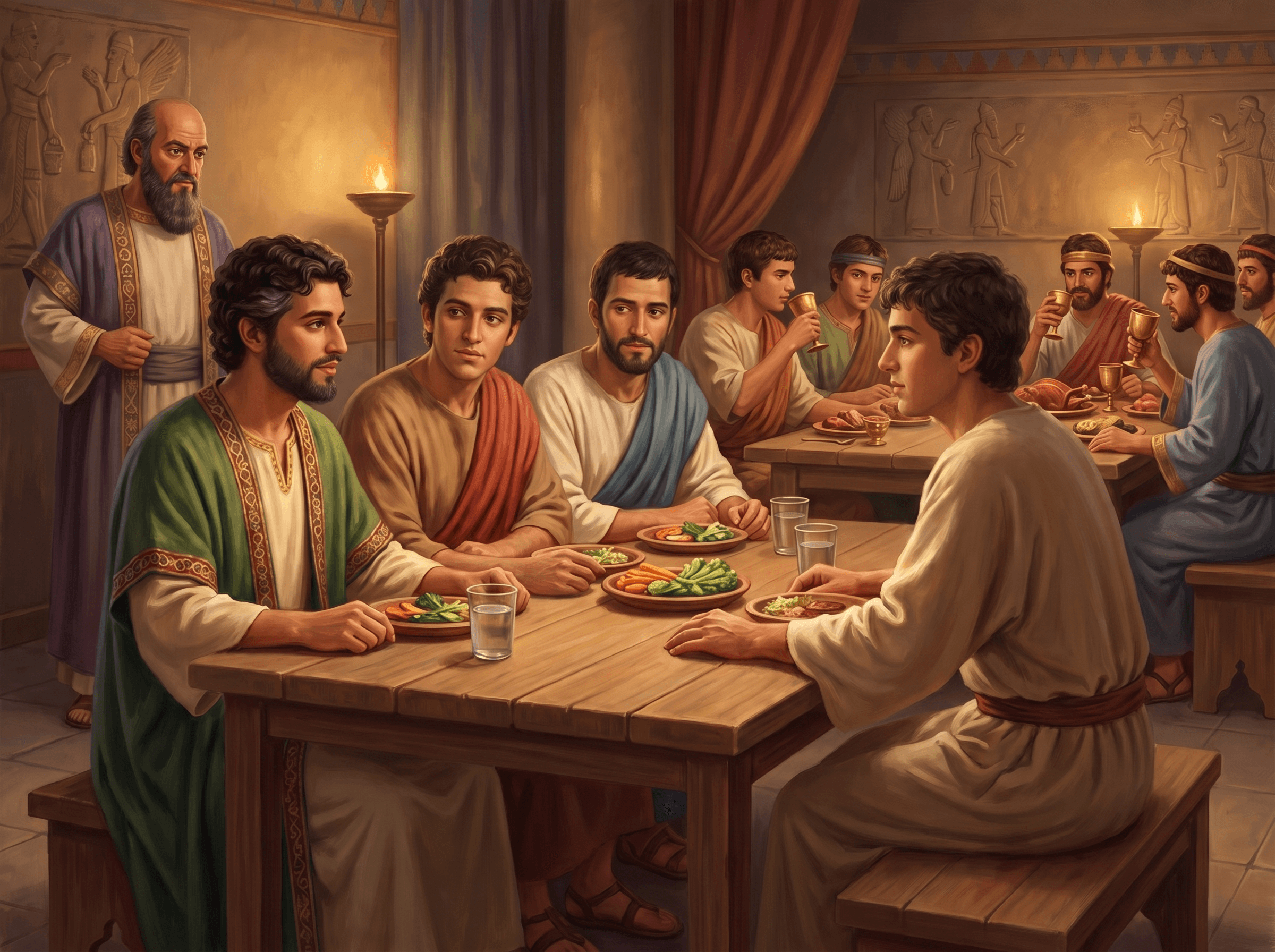
Illustrated scene from Daniel's story: Faithful at the King's Table (Daniel 1:1–21)
Meet the people of the Bible
Follow their lives in order, with illustrated scenes and Bible passages that tell their stories.
 Daniel

Photo: Bukvoed, via Wikimedia Commons. License: CC BY 4.0. Source. Location: Burj Beitin, Beitin, Ramallah and al-Bireh Governorate, West Bank. Resized for the web.
Explore the places of the Bible
See where biblical events happened, why each place matters, and what archaeology helps us understand.
Bethel
Where Jacob dreamed of a stairway to heaven and met God.
Every Bible book, explained chapter by chapter
Explore summaries of every book of the Bible, with images and easy-to-understand explanations covering every chapter.
Keep studying Deuteronomy 14:20
Related Bible verses
At a Glance — the Book of Deuteronomy
- Author
- Traditionally attributed to Moses
- Written
- Around 1400 BC
- Genre
- Law (Pentateuch)
- Original Audience
- The Israelites about to enter the Promised Land
Frequently Asked Questions
Quick, clear answers about this verse
What does Deuteronomy 14:20 mean?
Deuteronomy 14:20 provides dietary guidelines, specifically stating that people may eat any bird that is considered clean. This verse emphasizes the importance of making mindful choices about what we consume.
What is the meaning of 'clean birds' in Deuteronomy 14:20?
'Clean birds' in Deuteronomy 14:20 refers to birds that are deemed acceptable for consumption according to specific biblical standards. These guidelines reflect health and spiritual principles.
How does Deuteronomy 14:20 apply to modern eating habits?
Deuteronomy 14:20 encourages people to consider the health and spiritual implications of their food choices. It serves as a reminder to eat mindfully and align dietary decisions with personal values.
Why are dietary guidelines important in Deuteronomy 14:20?
The dietary guidelines in Deuteronomy 14:20 are important because they promote health and well-being while also reflecting spiritual beliefs. They encourage individuals to be discerning about their food choices.
Daily Verse — straight to your inbox
A verse and a 2-sentence plain-English explanation, every morning. Free. Unsubscribe anytime.