Old Testament
Deuteronomy 20:15
Read the Bible in clear, modern English—easy to understand, faithful to the meaning, and written for everyday readers.
This is how you are to treat cities that are far away from you — cities that don't belong to the nations nearby.
Compare translations
Thus shalt thou do unto all the cities which are very far off from thee, which are not of the cities of these nations.
What Deuteronomy 20:15 means
Plain-English insight for readers
In this passage, God provides guidance on how to deal with cities that are not part of the nearby nations. These cities are far away and do not share the same customs or beliefs. The instruction emphasizes a different approach compared to how one might treat cities that are close by. It suggests a level of respect and consideration for those who are not part of your immediate community. This reflects a broader principle of how to engage with others who are different from us. The focus is on maintaining a sense of justice and fairness, even when dealing with those who are not part of your own group. It encourages us to think about how we treat others, regardless of their background or beliefs. This passage reminds us that our actions should be guided by principles of kindness and respect, even towards those who are far away from us, both physically and culturally. It challenges us to extend our understanding and compassion beyond our immediate circles, fostering a sense of unity and peace.
How to apply Deuteronomy 20:15 to your life
Consider how you treat people who are different from you. Are you respectful and fair, even if they are from a distant place or culture? This passage encourages us to extend kindness and understanding to everyone, fostering a more inclusive community. Reflect on your actions and strive to build bridges with others, regardless of their background. Your approach can make a significant difference in creating harmony and connection.
Curated for this public verse page. Deuteronomy Summary
Explore more of the Bible
Learn the Bible through its people and places
Get to know the people in Scripture through illustrated stories, and explore the places where they lived and traveled.

Illustrated scene from Noah's story: Noah Is Born (Genesis 5:28–32)
Meet the people of the Bible
Follow their lives in order, with illustrated scenes and Bible passages that tell their stories.
 Noah
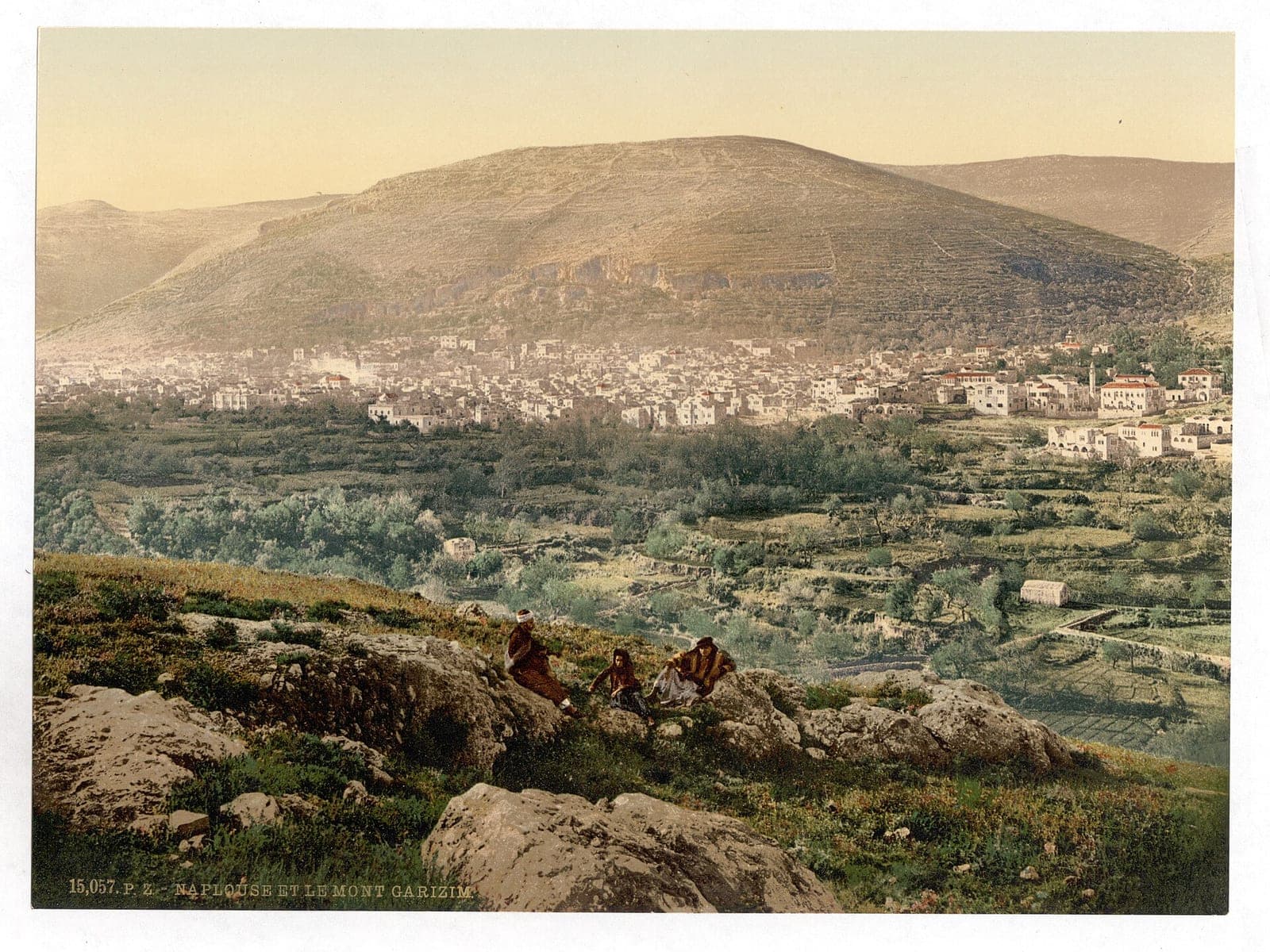
Photo: Photochrom print, Library of Congress Prints and Photographs Division (LCCN 2002725043). License: Public domain in the United States; Library of Congress states no known restrictions on publication. Source. Location: Nablus and Mount Gerizim, West Bank; print preserved by the Library of Congress. Resized for the web.
Explore the places of the Bible
See where biblical events happened, why each place matters, and what archaeology helps us understand.
Shechem
Where God promised the land to Abram, and where Joshua led Israel to renew the covenant.
Get full access with one subscription
Explore the people and places of the Bible. Read summaries of every book, with images and clear explanations covering every chapter. Access all these features and our Bible study tools with one subscription.
See PlansAsk AI about Deuteronomy 20:15
Ask a question about this verse and get a clear answer, with Bible references you can read for yourself.
Every Bible book, explained chapter by chapter
Explore summaries of every book of the Bible, with images and easy-to-understand explanations covering every chapter.
Keep studying Deuteronomy 20:15
Related Bible verses
At a Glance — the Book of Deuteronomy
- Author
- Traditionally attributed to Moses
- Written
- Around 1400 BC
- Genre
- Law (Pentateuch)
- Original Audience
- The Israelites about to enter the Promised Land
Frequently Asked Questions
Quick, clear answers about this verse
What does Deuteronomy 20:15 mean?
Deuteronomy 20:15 provides guidance on how to treat cities that are far away and not part of nearby nations. It emphasizes a respectful and fair approach towards those who are different from us, highlighting the importance of justice and compassion.
What is the meaning of 'cities that are far away' in Deuteronomy 20:15?
In this verse, 'cities that are far away' refers to places that do not share the same customs or beliefs as the nearby nations. The instruction suggests treating these distant communities with respect and consideration.
How can I apply Deuteronomy 20:15 in my life?
You can apply Deuteronomy 20:15 by being respectful and fair to people who are different from you, regardless of their background or culture. This verse encourages building connections and understanding with others to create a more inclusive community.
What themes are present in Deuteronomy 20:15?
The themes in Deuteronomy 20:15 include the treatment of others, respect, justice, community, and compassion. It highlights the importance of extending kindness to those who are not part of your immediate group.
Daily Verse — straight to your inbox
A verse and a 2-sentence plain-English explanation, every morning. Free. Unsubscribe anytime.