Old Testament
Ecclesiastes 12:7
Read the Bible in clear, modern English—easy to understand, faithful to the meaning, and written for everyday readers.
Then the dust will return to the earth where it came from, and the spirit will return to God who gave it.
Compare translations
Then shall the dust return to the earth as it was: and the spirit shall return unto God who gave it.
What Ecclesiastes 12:7 means
Plain-English insight for readers
This verse reminds us of the cycle of life and death. Our physical bodies, made from dust, will eventually return to the earth after we die. This is a natural process, highlighting our temporary existence. However, our spirit, the essence of who we are, will return to God, who created us. This reflects the belief that there is more to life than just our physical presence. It encourages us to consider what happens after we die and to think about our relationship with God. Understanding this can inspire us to live meaningfully and purposefully, knowing that our actions have significance beyond this life. Ultimately, it invites us to reflect on our spiritual journey and the legacy we leave behind. Life is fleeting, but our spirit has a destination beyond the grave, reminding us to cherish our time and seek deeper connections with the divine and each other. Embracing this truth can lead to a more fulfilling life, focused on what truly matters in the grand scheme of existence.
How to apply Ecclesiastes 12:7 to your life
Consider how you want to live your life knowing it is temporary. Focus on building meaningful relationships and nurturing your spirit. Reflect on your connection with God and what legacy you want to leave behind. This perspective can guide your daily choices and priorities, enriching your life experience. Embrace the journey with purpose and intention, knowing it matters in the end.
Curated for this public verse page. Ecclesiastes Summary
Explore more of the Bible
Learn the Bible through its people and places
Get to know the people in Scripture through illustrated stories, and explore the places where they lived and traveled.

Illustrated scene from Moses's story: Israel Enslaved in Egypt (Exodus 1:8–22)
Meet the people of the Bible
Follow their lives in order, with illustrated scenes and Bible passages that tell their stories.
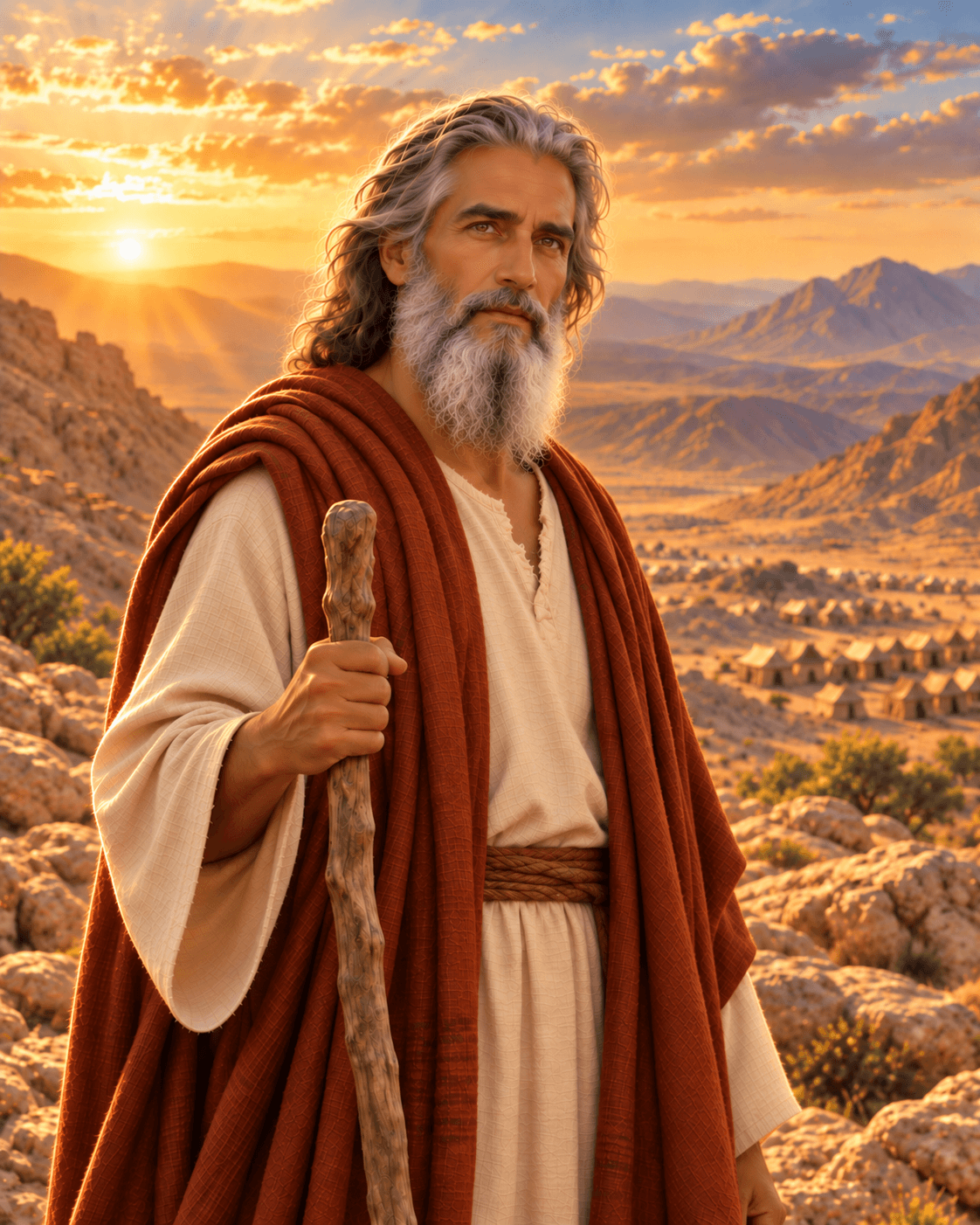 Moses
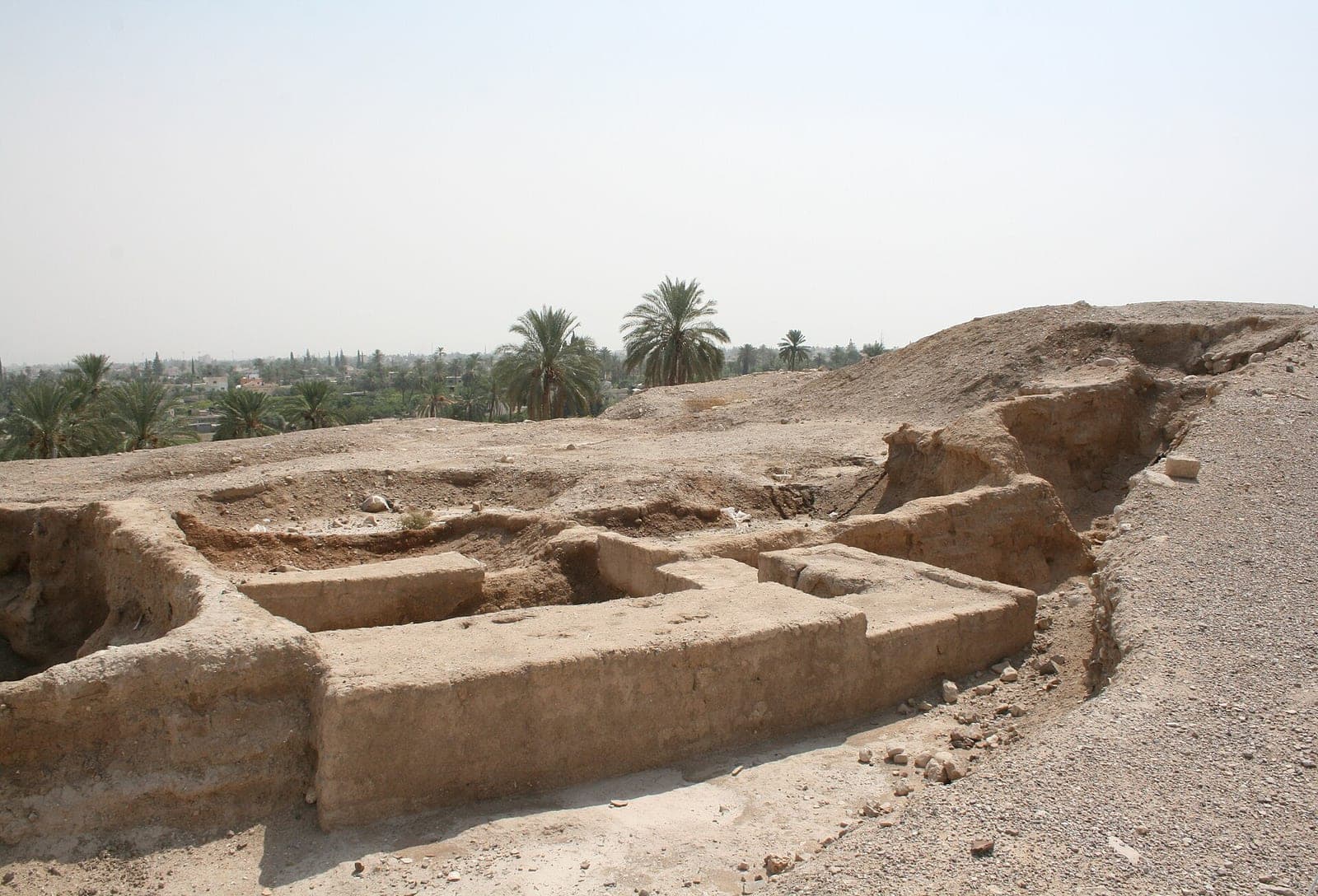
Photo: Diego Delso, via Wikimedia Commons. License: CC BY-SA 3.0. Source. Location: Tell es-Sultan, Jericho, West Bank. Resized for the web.
Explore the places of the Bible
See where biblical events happened, why each place matters, and what archaeology helps us understand.
Jericho
The city of palm trees, whose walls fell in Joshua's day.
Get full access with one subscription
Explore the people and places of the Bible. Read summaries of every book, with images and clear explanations covering every chapter. Access all these features and our Bible study tools with one subscription.
See PlansAsk AI about Ecclesiastes 12:7
Ask a question about this verse and get a clear answer, with Bible references you can read for yourself.
Every Bible book, explained chapter by chapter
Explore summaries of every book of the Bible, with images and easy-to-understand explanations covering every chapter.
Keep studying Ecclesiastes 12:7
Related Bible verses
Key themes
At a Glance — the Book of Ecclesiastes
- Author
- Traditionally attributed to Solomon
- Written
- Around 935 BC
- Genre
- Wisdom literature
- Original Audience
- Those searching for life's meaning
Frequently Asked Questions
Quick, clear answers about this verse
What does Ecclesiastes 12:7 mean?
Ecclesiastes 12:7 highlights the cycle of life and death, stating that our physical bodies will return to the earth while our spirit goes back to God. This verse emphasizes the temporary nature of our existence and the importance of our spiritual essence.
What is the meaning of 'dust' in Ecclesiastes 12:7?
In Ecclesiastes 12:7, 'dust' refers to the physical body, symbolizing our earthly origin and mortality. It serves as a reminder that our physical form is temporary and will eventually decompose back into the earth.
How does Ecclesiastes 12:7 relate to life after death?
Ecclesiastes 12:7 suggests that there is a distinction between our physical existence and our spiritual essence, indicating that after death, our spirit continues on with God. This raises questions about the afterlife and our relationship with the divine.
What lessons can we learn from Ecclesiastes 12:7?
From Ecclesiastes 12:7, we learn to appreciate the temporary nature of life and the importance of nurturing our spirit. It encourages us to live meaningfully and consider the legacy we leave behind.
Daily Verse — straight to your inbox
A verse and a 2-sentence plain-English explanation, every morning. Free. Unsubscribe anytime.